 GambleLore

Integrating Loyalty Programs into Blackjack & Roulette Strategies 2026
Casino loyalty programs have evolved significantly by 2026, offering players more than just free spins or buffet vouchers. Savvy gamblers now treat points, tiers, and comps as core components of their overall strategy for blackjack, roulette, and baccarat. This approach shifts focus from short-term odds to sustainable value, helping players extract maximum return from every session while managing risk effectively. In today's competitive casino landscape, understanding how to integrate these programs can transform recreational play into a more rewarding experience that accounts for both mathematical edges and real-world benefits like complimentary rooms, meals, and entertainment credits.
Understanding 2026 Casino Loyalty Trends
Modern loyalty systems emphasize personalization and data-driven rewards. Casinos track play across table games using player cards or apps, awarding points based on theoretical loss rather than simple wager volume. This means skilled players who minimize house edge on blackjack can still earn substantial comps by extending playtime at optimal games. By 2026, many programs incorporate AI-driven insights to predict player preferences, offering tailored promotions such as bonus point multipliers during off-peak hours or exclusive access to high-limit tables. Players who stay informed about these trends gain an advantage by aligning their sessions with current incentive structures rather than relying on outdated assumptions about comps.
Game Selection for Maximum Points Efficiency
Not all table games contribute equally to loyalty earnings. Blackjack typically offers the best points-to-edge ratio because of its low house advantage of around 0.5% with basic strategy. Roulette, particularly European variants with a single zero, provides solid accumulation while maintaining moderate volatility. Baccarat remains popular for high-roller tiers due to its fast pace and high betting limits. When selecting games, consider both the mathematical profile and the casino's specific earning rate. For instance, some properties award double points on blackjack during weekday afternoons, making it ideal for steady accumulation without excessive risk. European roulette often outperforms American variants in point efficiency because the lower house edge allows longer sessions before bankroll depletion. Always verify the exact contribution rates listed in the casino's loyalty terms, as these can vary by property and change seasonally.
- Choose blackjack tables with favorable rules (e.g., 3:2 blackjack payouts) to preserve bankroll and earn longer.
- Avoid American roulette wheels with double zeros unless the points multiplier justifies the higher house edge.
- Monitor casino-specific promotions that double or triple points on certain weekdays.
- Track your average bet size against the casino's theoretical loss formula to project monthly tier progress accurately.
Tier Progression and Reward Valuation
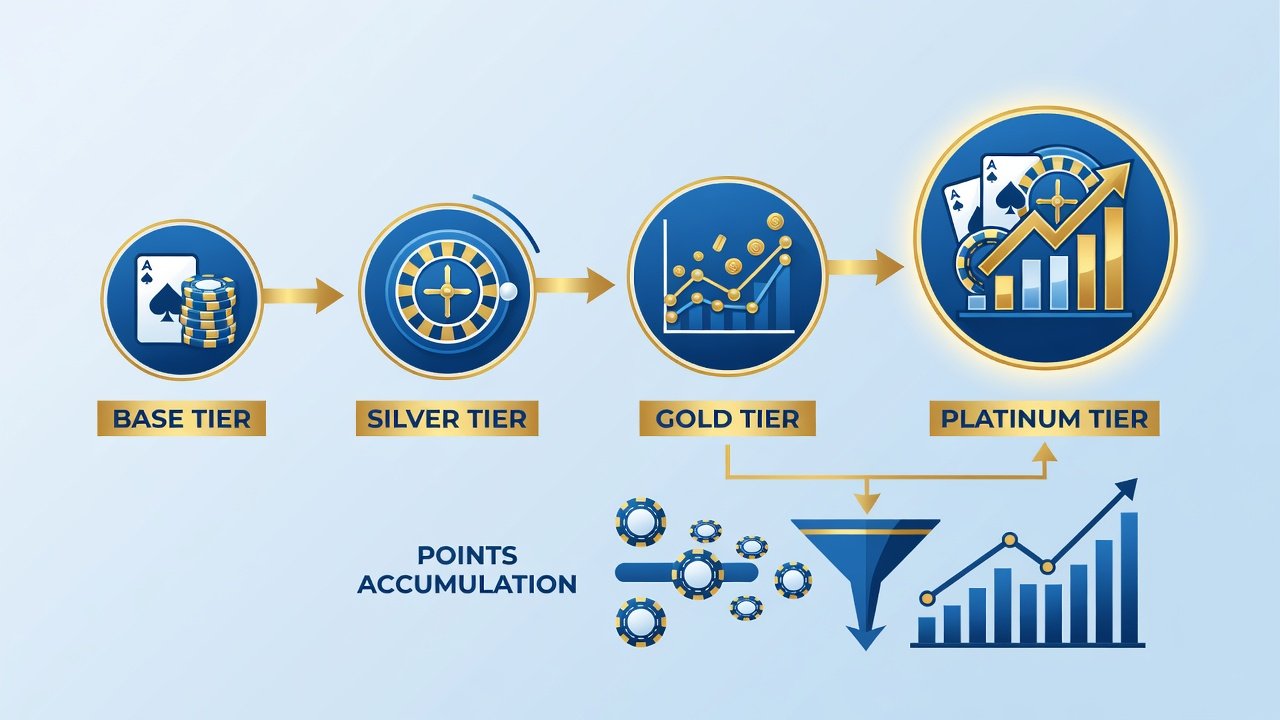
Advancing through loyalty tiers unlocks better redemption rates. Most programs feature four to six levels, with elite status granting access to luxury suites, private gaming areas, and personalized hosts. To value rewards accurately, compare the cash equivalent of comps against your expected loss. A room credit or dining voucher might equal several hours of mid-stakes play, making it worthwhile only if your strategy supports that duration. Players should calculate the effective return on each redemption by dividing the comp value by the points spent and contrasting it with their hourly theoretical loss rate. This valuation process prevents overvaluing flashy perks while missing higher-utility options like cash-back equivalents or free-play credits that directly reduce variance.
Step-by-Step Tracking Methods
Effective integration requires disciplined record-keeping. Follow these steps: 1) Log every session including game type, average bet, duration, and points earned using a dedicated notebook or mobile spreadsheet app. 2) Use casino apps or spreadsheets to calculate points per hour and compare against your expected theoretical loss. 3) Review monthly statements to identify undervalued redemptions and adjust future play accordingly. 4) Adjust bet sizing only when tier thresholds are near, avoiding unnecessary risk that could erase accumulated value. 5) Set calendar reminders for tier reset dates to maintain momentum across qualification periods. Consistent tracking reveals patterns such as which games yield the highest net value after accounting for house edge, enabling data-informed decisions that compound over time.
Real Examples of Comp Redemptions
Consider a mid-tier player who earns 15,000 points monthly through disciplined blackjack play. Redeeming 8,000 points for a weekend suite and show tickets can offset expected losses while enhancing the overall experience. Another example involves using tier credits for free play on roulette during promotional periods, effectively reducing the house edge when combined with careful bankroll management. A third scenario features a baccarat enthusiast who qualifies for platinum status and receives personalized invitations to invitation-only tournaments, where additional point bonuses and travel reimbursements further increase long-term value. These examples illustrate how strategic redemption choices align with individual risk tolerance and session goals.
Risk-Adjusted Play and Responsible Integration
Always prioritize responsible gambling. Loyalty programs should enhance entertainment value, not encourage chasing losses. Set strict loss limits before each visit and treat comps as bonuses rather than guarantees. Incorporate stop-loss protocols and session timers into your routine to maintain discipline even when attractive point multipliers appear. For additional support resources, visit the National Council on Problem Gambling or explore Gamblers Anonymous meetings in your area. Integrating loyalty benefits responsibly also means recognizing when a promotion no longer justifies continued play and walking away with the earned comps intact.
Common Mistakes to Avoid
Many players overvalue flashy comps like free cruises while ignoring better cash-back options. Others switch games impulsively to chase points, eroding their edge. Additional pitfalls include failing to read fine print on point expiration, neglecting to link multiple accounts across casino properties, and increasing bet sizes dramatically near tier thresholds without proper bankroll planning. Avoiding these errors requires ongoing education and periodic review of program rules.
Short FAQ
How do I calculate true comp value? Track redemption rates against your average hourly loss and compare cash equivalents directly. Can loyalty programs overcome the house edge? No, but they improve overall return when used strategically alongside sound tactics. What is the best way to maintain elite status? Consistent play volume combined with targeted game selection during bonus point periods. Should beginners focus on loyalty programs? Start with basic strategy first, then layer in tracking once comfortable with core gameplay.
Conclusion
By thoughtfully weaving loyalty programs into blackjack, roulette, and baccarat strategies, players in 2026 can enjoy enhanced experiences and better long-term results. Focus on game selection, consistent tracking, and realistic valuation to turn everyday play into meaningful rewards while maintaining responsible habits.

No comments yet. Be the first!