 GambleLore

Introduction to Responsible Online Gambling in 2026
Online gambling continues to evolve in 2026, offering players more convenience and variety than ever before. From live dealer tables to mobile slots and sports betting markets, the industry provides endless options at the touch of a button. However, the key to long-term enjoyment lies in developing responsible habits that prioritize sustainability over short-term thrills. This comprehensive guide focuses on practical strategies to maintain control, prevent overplay, and enhance your overall experience through mindful practices that support both mental well-being and financial stability.
Building these habits supports player retention by turning gambling into a balanced leisure activity rather than a potential source of stress. Whether you're a casual player or more frequent participant, the principles outlined here emphasize enjoyment while minimizing risks. By the end of this article, you will have actionable steps, real examples, and insights to create a personalized approach that keeps the fun alive for years to come.
Setting Personal Limits for Sustainable Play
Establishing clear boundaries is the foundation of responsible gambling. Start by defining your budget based on disposable income, not winnings or necessities. For example, decide on a weekly limit that fits comfortably within your finances and stick to it regardless of outcomes. This prevents the common trap of chasing losses or escalating bets after a win.
Step-by-step process: First, review your monthly expenses and identify truly discretionary funds. Second, allocate a fixed amount for entertainment that you can afford to lose. Third, break it down into daily or session caps using simple rules like no more than 20% of your weekly budget per day. Fourth, document these decisions in writing before any session begins. Fifth, review and adjust limits monthly based on your overall financial picture. Use apps or spreadsheets to log these decisions upfront. This proactive approach helps avoid impulsive decisions during play and builds discipline that carries over into other areas of life.
Recognizing Early Warning Signs of Overplay
Early detection is crucial for maintaining control. Common indicators include spending more time or money than planned, feeling anxious when not gambling, or chasing losses by increasing bets. Other signs involve neglecting work, family responsibilities, or social activities, as well as hiding gambling activity from friends and family. Emotional shifts such as irritability after losses or euphoria that disrupts sleep patterns also signal potential issues.
Monitor your emotional state after sessions. If excitement turns to frustration or you find yourself justifying extended play with phrases like "just one more round," pause and reassess immediately. Real-world scenarios show that players who catch these signs early often adjust by taking short breaks, preserving both their bankroll and mental well-being. Create a personal checklist of five warning signs tailored to your habits and review it weekly to stay proactive.
Leveraging Built-in Platform Tools for Self-Control
Most reputable sites in 2026 offer robust responsible gaming features. These include deposit limits, session timers, reality checks, and self-exclusion options. Compare platforms carefully: some provide customizable loss limits with automatic enforcement and pop-up reminders, while others integrate third-party verification for stricter controls and detailed activity reports. For instance, one site might allow daily, weekly, and monthly deposit caps with easy resets, whereas another emphasizes cooling-off periods ranging from 24 hours to several months alongside personalized risk assessments.
Choose operators that make these tools prominent and user-friendly to support your habits effectively. Test features during low-stakes sessions to see which interface feels most intuitive. Many platforms now include educational pop-ups explaining probability and house edge, helping players make informed choices throughout their experience.
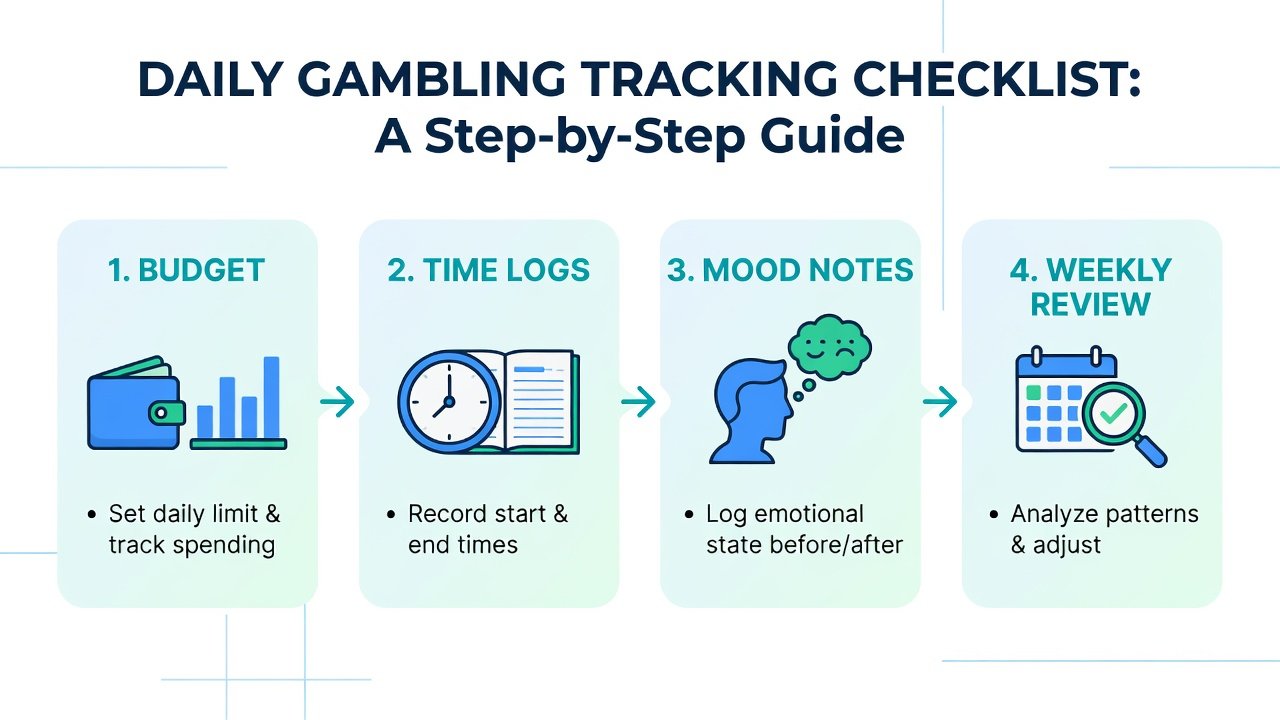
Step-by-Step Daily and Weekly Tracking Methods
Tracking adds accountability and reveals patterns you might otherwise miss. Daily method: Log each session's start time, duration, amount wagered, outcome, and your pre-session mood in a simple notebook or digital app. Include notes on whether you felt pressured or relaxed. Weekly review: Sum totals and compare against your preset limits. Adjust if patterns show creeping increases in time or spend. Monthly analysis can highlight seasonal trends, such as higher activity during holidays.
- Choose a consistent time, like before bed, for entries to build a routine.
- Include notes on your mood to spot emotional triggers like stress or boredom.
- Share summaries with a trusted accountability partner if helpful for extra motivation.
- Use color-coding in spreadsheets to flag days that exceed limits at a glance.
- Export data monthly for a visual chart showing progress toward your goals.
Examples demonstrate that consistent tracking leads to better decision-making over time, fostering habits that promote retention through controlled, enjoyable play without the pressure of unrealistic expectations.
Real-World Scenarios and Small Adjustments
Consider a player who notices sessions extending beyond two hours. By setting a timer via platform tools and switching to shorter, focused sessions of 45 minutes, they maintain fun without fatigue or diminished returns. Another scenario involves spotting increased bet sizes after losses; implementing a cool-down rule of at least 30 minutes prevents escalation and allows rational reassessment. A third example features someone who feels guilty after exceeding their weekly budget: they activate self-exclusion for seven days and use the break to review their tracking logs, leading to a revised lower limit that aligns better with their lifestyle.
These minor tweaks compound into major benefits, turning potential issues into sustainable routines that enhance long-term satisfaction and reduce the likelihood of regret.
Long-Term Benefits for Player Retention and Enjoyment
Responsible habits ultimately lead to greater retention because players who stay in control return more frequently and with higher satisfaction. They avoid burnout and financial strain, allowing gambling to remain a positive recreational outlet. Over months and years, this approach builds confidence and skill in managing risk, making each session more rewarding. Communities and forums often share success stories of players who maintained enjoyment for decades by following similar principles.
Frequently Asked Questions
How do cooling-off periods work?
These temporary pauses, available on most platforms, range from hours to weeks and block access during the chosen timeframe, giving you space to reflect and reset without permanent consequences.
What support resources are available?
Organizations like World Health Organization provide general mental health guidance, while Gamblers Anonymous offers peer support tailored to gambling concerns. Many sites also link directly to local helplines and National Council on Problem Gambling resources for additional assistance.
Can I take a break without losing my account?
Yes, self-exclusion and break features typically preserve your account details for when you're ready to return under controlled conditions, often with options to extend the pause if needed.
Are reality checks effective for most players?
Reality checks interrupt play with session summaries and have proven helpful in reminding users of time spent, encouraging voluntary breaks before issues escalate.
Conclusion
Adopting responsible online gambling habits in 2026 ensures continued enjoyment and longevity in the activity. By setting limits, monitoring signs, using tools, and tracking progress, players create a framework for positive experiences. Focus on these strategies to maximize retention and fun while staying in control for the long term.


No comments yet. Be the first!