 GambleLore

Introduction
Online gambling has become increasingly popular in 2026, with millions of players worldwide accessing casinos, sportsbooks, and poker rooms from their devices. However, this convenience comes with significant privacy risks. Cybercriminals target gambling platforms because they handle sensitive personal information, financial details, and betting histories. Data breaches, phishing schemes, and unauthorized tracking can lead to identity theft, financial loss, and long-term reputational damage. Protecting your privacy requires more than basic precautions; it demands a layered strategy involving technology, careful platform selection, and ongoing vigilance. This comprehensive guide explores essential steps such as enabling two-factor authentication, choosing the right VPNs, verifying encryption standards, and using privacy-centric payment methods. It also covers real-world breach examples, comparisons between secure and insecure sites, and actionable recovery steps to help you stay safe.
Enable Two-Factor Authentication Everywhere
Two-factor authentication adds an essential second layer of security beyond simple passwords. In 2026, most reputable gambling sites offer 2FA options, but many users fail to activate them. Start by enabling 2FA on your gambling account immediately after registration. Prefer authenticator apps like Google Authenticator or Authy over SMS-based codes, since SMS can be vulnerable to SIM swapping attacks. Extend this practice to your email provider and any linked financial accounts. Review your 2FA settings monthly and use backup codes stored securely offline. For example, a player who enabled app-based 2FA avoided account takeover during a 2025 phishing campaign that affected thousands of users on an unregulated site. Without 2FA, even strong passwords offer limited protection against credential-stuffing attacks common in the gambling sector.
Select VPNs Optimized for Gambling Sites
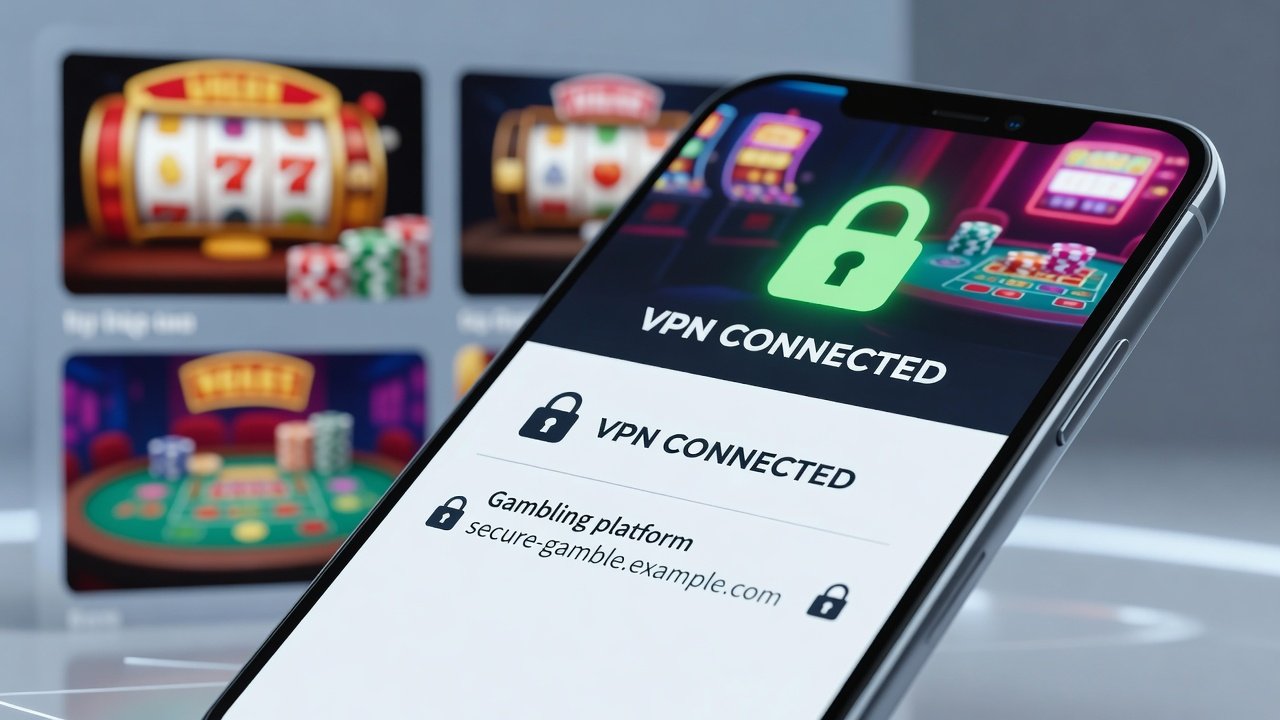
A virtual private network encrypts your internet traffic and hides your real IP address, making it harder for casinos or third parties to track your location and activities. When selecting a VPN for gambling, prioritize providers with audited no-logs policies, servers in gambling-friendly jurisdictions, and obfuscated servers to bypass detection. Test connection speeds and stability before committing to a subscription, and avoid free VPN services that often monetize user data. Practical steps include installing the VPN on all devices used for gambling, connecting before logging into any casino site, and regularly switching servers to prevent pattern recognition. Many players combine VPN use with browser extensions that block trackers.
Verify Casino Data Encryption Standards
Strong encryption protects your data in transit and at rest. Look for sites using 256-bit SSL or TLS 1.3 protocols, indicated by HTTPS in the browser bar and valid security certificates. Reputable operators display seals from independent auditors such as eCOGRA or iTech Labs. To verify encryption yourself, click the padlock icon next to the URL and review certificate details. Avoid any platform that does not clearly state its encryption methods or audit results. Insecure sites may use outdated protocols that leave data exposed to interception.
Spot and Avoid Phishing Attempts
Phishing remains one of the most common threats to online gamblers. Attackers create fake emails, messages, or websites mimicking trusted casinos to steal login credentials or payment information. Always verify sender addresses carefully and type URLs manually rather than clicking links. Common red flags include urgent language about account issues, unexpected attachments, or requests for personal details. In one 2025 incident, a major data breach originated from a phishing email that tricked users into entering details on a counterfeit site, exposing thousands of records. Use browser security extensions and enable email filters to reduce exposure. If you suspect phishing, report it directly to the legitimate casino support team.
Manage Personal Data Sharing
Limit the personal information you provide during registration and ongoing use. Create a dedicated email address solely for gambling activities and avoid sharing unnecessary details like your full home address when alternatives exist. Read privacy policies thoroughly, noting how data is stored, shared, or sold. Opt out of marketing lists and data-sharing agreements whenever possible. Under privacy regulations in many regions, you can request data deletion or access reports. Regularly audit connected apps and revoke permissions that are no longer needed.
Use Privacy-Focused Payment Methods
Traditional credit cards and bank transfers leave clear trails that can be tracked. Privacy-oriented alternatives include cryptocurrencies such as Bitcoin or Monero, and reputable e-wallets with strong anonymity features. These methods reduce the amount of personal financial data shared with the casino. Compare options based on transaction logging practices and regulatory compliance. Always withdraw funds promptly rather than leaving balances in accounts that could be compromised.
Real-World Breach Examples and Recovery Steps
Several incidents in recent years illustrate the consequences of poor privacy practices. In 2025, multiple smaller operators suffered breaches that exposed email addresses, home details, and betting histories, leading to targeted spam and fraud attempts. Recovery involves immediately changing all passwords, enabling 2FA on affected accounts, monitoring credit reports and bank statements, and freezing accounts where possible. Contact the platform support team and consider filing reports with relevant authorities. Resources from the Federal Trade Commission offer detailed breach response guides. Additional support is available through the Electronic Frontier Foundation, which provides tools for understanding digital rights and data protection.
Secure vs Insecure Platforms Comparison
- Secure platforms publish independent security audits, support 2FA, maintain clear encryption standards, and hold licenses from recognized authorities.
- Insecure platforms often lack transparency about security measures, have limited privacy tools, and show histories of delayed breach notifications.
- Always cross-check licensing information and read recent player reviews before depositing funds.
- Secure sites typically allow easy account deletion and data access requests, while insecure ones may ignore such requests.
Additional Best Practices for Long-Term Privacy
Beyond core tools, adopt habits such as using incognito mode combined with a VPN, regularly clearing browser cookies, and avoiding public Wi-Fi for gambling sessions. Monitor your digital footprint with free services that alert you to exposed data. Stay updated on new threats through trusted cybersecurity newsletters and adjust your practices accordingly.
Conclusion
Privacy protection when gambling online in 2026 is an ongoing process that combines technology, informed choices, and consistent habits. By implementing two-factor authentication, selecting strong VPNs, verifying encryption, defending against phishing, managing data sharing, and using secure payments, you significantly reduce your risk exposure. Learn from past breach examples and maintain a proactive stance to enjoy online gambling safely.
FAQ
Can casinos track my activity even with a VPN?
Yes, if you reuse usernames, share device fingerprints, or log in without additional privacy layers. A quality VPN hides your IP address but cannot mask account-linked information.
Are my gambling records shared with third parties?
Some operators share data for marketing, compliance, or analytics. Always review the privacy policy and choose platforms with explicit no-share commitments where possible.
What should I do if I suspect a data breach?
Change passwords immediately, enable 2FA, monitor financial accounts, and follow guidance from the Federal Trade Commission on identity theft recovery.
How often should I review my privacy settings?
Conduct a full review at least quarterly or after any major account activity or news of industry breaches.
Is cryptocurrency safer than credit cards for gambling?
Cryptocurrencies generally offer better privacy by limiting direct sharing of banking details, though they require careful wallet management and understanding of transaction visibility.


No comments yet. Be the first!