 GambleLore

Introduction to Online Gambling Session Planning
Effective session planning is essential for anyone engaging in online gambling in 2026. It helps players maximize enjoyment while maintaining control over time and spending. This comprehensive guide covers proven techniques for setting limits, selecting appropriate games, and using logs to review performance. By following structured approaches, players can turn casual sessions into more intentional experiences that align with personal goals and responsible habits. Planning ahead reduces impulsive decisions and allows for better evaluation of results over time.
The Importance of Session Planning in 2026
In today's fast-paced digital environment, online gambling platforms offer constant access, making unplanned sessions a common risk. Structured planning supports better decision-making by establishing clear boundaries before play begins. Players who plan report higher satisfaction because they avoid the stress of unexpected losses or extended play. This approach also aligns with broader wellness principles, as outlined by organizations like the World Health Organization, which emphasize balanced recreational activities.
Setting Time and Budget Limits
Begin every session by defining clear boundaries. Decide in advance how long you will play and how much you are willing to spend. This prevents impulsive decisions during gameplay. Use a simple timer or phone alarm to enforce time limits, and allocate funds from a separate account or envelope system to avoid overspending. For example, a player might decide on a 90-minute session with a fixed budget drawn only from entertainment funds. Review these limits weekly to adjust for changing circumstances such as work schedules or financial priorities. Consistency in this step builds discipline and helps maintain perspective on gambling as one part of a balanced lifestyle.
Choosing Game Types Based on Session Length
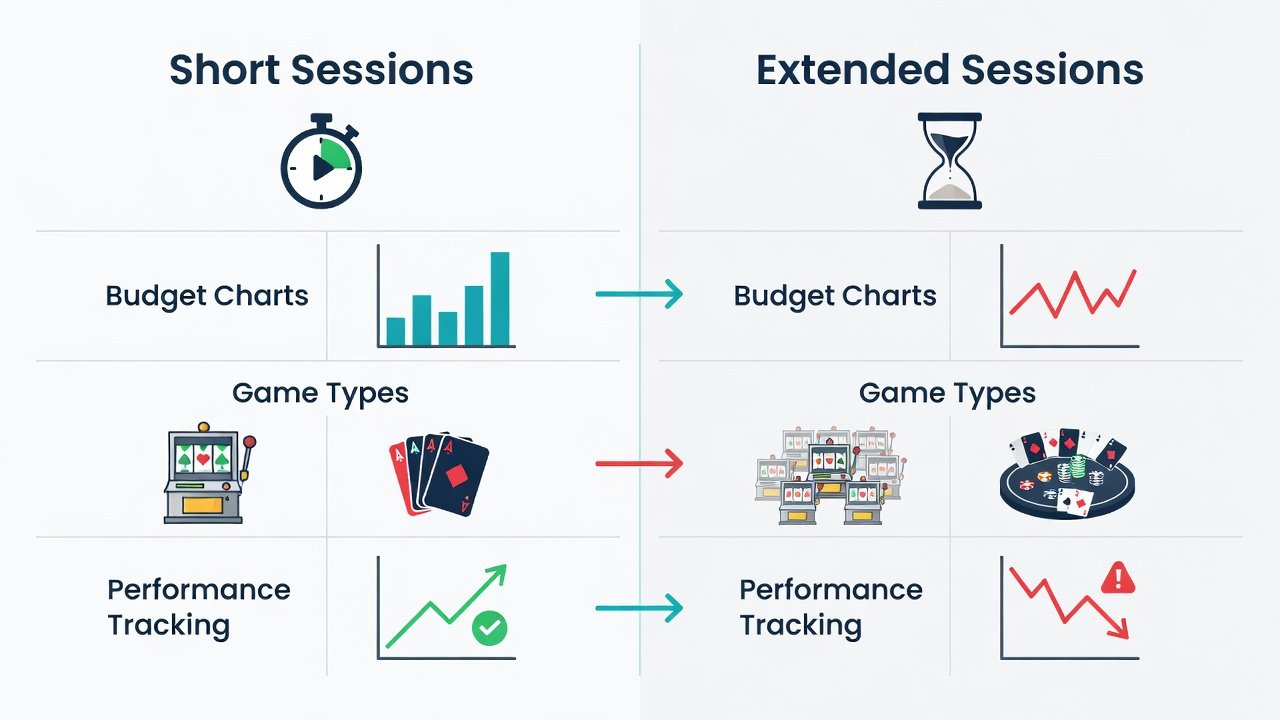
Game selection should align with your planned session duration. Slots and quick-play table games suit shorter sessions of 30 to 60 minutes because they deliver fast results. For longer sessions lasting two hours or more, consider poker or blackjack where skill elements allow for deeper engagement and strategic pauses. Compare short and extended sessions: short sessions reduce fatigue and support stricter budgets, while extended sessions require more robust tracking to stay disciplined. High-volatility games may need shorter time frames to limit exposure, whereas low-volatility options can sustain longer play without rapid swings.
Step-by-Step Planning Templates
Follow this detailed template for consistent planning. First, review your weekly schedule and pick a low-stress time slot free from distractions. Second, set a maximum time limit and a strict loss limit based on your current financial situation. Third, choose one or two games that match the intended session length and your skill level. Fourth, prepare a simple log sheet or app for notes on key metrics. Fifth, schedule a post-session review the next day to analyze outcomes without emotional bias. This template can be customized; for instance, add a pre-session mindfulness step if you find yourself rushing into play.
Tracking Performance with Simple Logs
Maintain a basic log after each session. Record start and end times, games played, total wagered, and your overall feeling about the experience. Over several weeks, patterns emerge that help refine future plans. Digital spreadsheets or dedicated note apps work well for this purpose. Include columns for emotional state before and after play to identify triggers like stress that might lead to extended sessions. Regular review of logs reveals whether your strategies are effective or need adjustment, turning raw data into actionable insights.
Real Player Examples and Case Studies
One player uses 45-minute evening sessions on slots twice a week, logging results to stay within a monthly entertainment budget. This approach allows them to enjoy the thrill without financial strain. Another prefers weekend two-hour poker sessions, using variance analysis from logs to adjust stakes based on recent performance. A third example involves a player who alternates between short and extended sessions depending on the game type, finding that mixing formats prevents burnout. These real-world cases demonstrate how planning adapts to individual preferences and lifestyles while supporting long-term enjoyment.
Mobile Tools for Reminders and Tracking
Many players rely on built-in phone features like calendar alerts and focus modes. Third-party reminder apps can send notifications when time or budget thresholds approach. Enable these tools before starting any session to reinforce limits automatically. Popular options include habit-tracking apps that integrate with calendars for recurring planning reminders. Some tools also offer basic analytics to visualize session trends over months, helping users spot when adjustments are needed.
Understanding and Adjusting for Game Variance
Game variance affects how session plans should be structured. High-variance games like certain slots produce infrequent but large swings, so planners often shorten sessions and increase break frequency. Low-variance games allow steadier play but may require longer time blocks to reach meaningful outcomes. Adjust your template by factoring in recent variance data from your logs. For example, after a series of high-variance sessions, reduce the next planned duration by 20-30 percent to maintain control.
Common Mistakes to Avoid and How to Fix Them
Many players skip post-session reviews, leading to repeated errors. Solution: Block 15 minutes the following day for reflection. Another pitfall is ignoring emotional state when setting limits, which can cause overspending during stressful periods. Fix this by adding a quick mood check to your planning template. Finally, failing to update plans as life circumstances change reduces effectiveness. Schedule a monthly review of your overall strategy to keep it relevant.
FAQs on Common Planning Pitfalls
How do I adjust plans for high-variance games?
Shorten session lengths for high-variance games and increase the frequency of breaks to maintain perspective. Track outcomes closely in your log to refine these adjustments over time.
What if I exceed my planned limits?
Immediately end the session and review the log the next day to identify triggers and strengthen future boundaries. Consider adding extra buffer time or smaller limits initially.
Are planning strategies effective for all players?
They work best when applied consistently. Start small and build habits gradually, adapting the template to your specific games and schedule.
Conclusion
Structured session planning transforms online gambling into a more controlled and enjoyable activity. By combining time limits, game selection, performance tracking, and helpful tools, players develop better habits that support long-term satisfaction. Apply these strategies consistently to see meaningful improvements in both enjoyment and self-management.


No comments yet. Be the first!