 GambleLore

Understanding Progressive Jackpot Mechanics in 2026
Progressive jackpot slots continue to captivate online gamblers in 2026 by offering life-changing prizes that grow with every bet placed across participating games. Unlike fixed jackpot slots, these titles pool a small percentage of each wager into a shared prize pool. This mechanism creates exponential growth, especially in networked systems where multiple casinos contribute to a single jackpot. The seed amount resets after each win, and contributions typically range from 1% to 5% of bets, though some games adjust this dynamically based on player volume. Players must meet eligibility rules, such as placing the maximum bet, to qualify for the full jackpot. Understanding these fundamentals helps players approach games strategically rather than relying solely on luck. In addition, many platforms now incorporate real-time tracking dashboards that display contribution rates and historical growth patterns, allowing informed decisions before committing funds.
Advanced mechanics in 2026 include tiered jackpot structures with mini, minor, major, and mega levels. Each tier builds independently, providing multiple winning opportunities within a single game. Software providers integrate random number generators that ensure fairness while the progressive element adds the thrill of community-driven growth. Monitoring these systems reveals patterns in how quickly jackpots climb during peak hours versus quieter periods.
Selecting High-Value Progressive Slots
Choosing the right progressive slot requires evaluating return-to-player (RTP) percentages, jackpot size relative to volatility, and provider reputation. Look for games with RTP above 95% where possible, and monitor current jackpot meters for value. High-value opportunities often appear when the jackpot exceeds 10 times the average payout threshold for that title. Consider factors like hit frequency, bonus feature integration, and mobile optimization to maximize long-term engagement.
Popular providers release updated titles regularly, so review recent releases for improved features like bonus rounds that increase hit frequency without diluting the main prize pool. Cross-reference player reviews on independent forums and check licensing details from regulatory bodies. Examples include comparing a high-volatility title with a 96.5% RTP against a medium-volatility option with slightly lower RTP but faster jackpot accumulation. This analysis helps match games to personal risk tolerance and session goals.
Standalone vs Networked Progressives: Key Comparisons
Standalone progressives operate within a single casino or game, leading to slower growth but potentially easier qualification. Networked progressives, by contrast, link across multiple operators and geographies, resulting in faster-accumulating and larger jackpots. In 2026, networked options frequently surpass standalone prizes by factors of 5 to 20, though competition is higher. Standalone games suit players who prefer consistent play without intense rivalry, while networked titles appeal to those targeting record-breaking sums.
Key differences extend to payout speed and contribution transparency. Standalone systems often reset more frequently, offering repeated chances at moderate wins. Networked pools may take weeks or months to build to multimillion levels but deliver rarer, more substantial rewards. Players should weigh these aspects against their available time and bankroll size when deciding between the two formats.
Step-by-Step Bankroll Allocation Methods
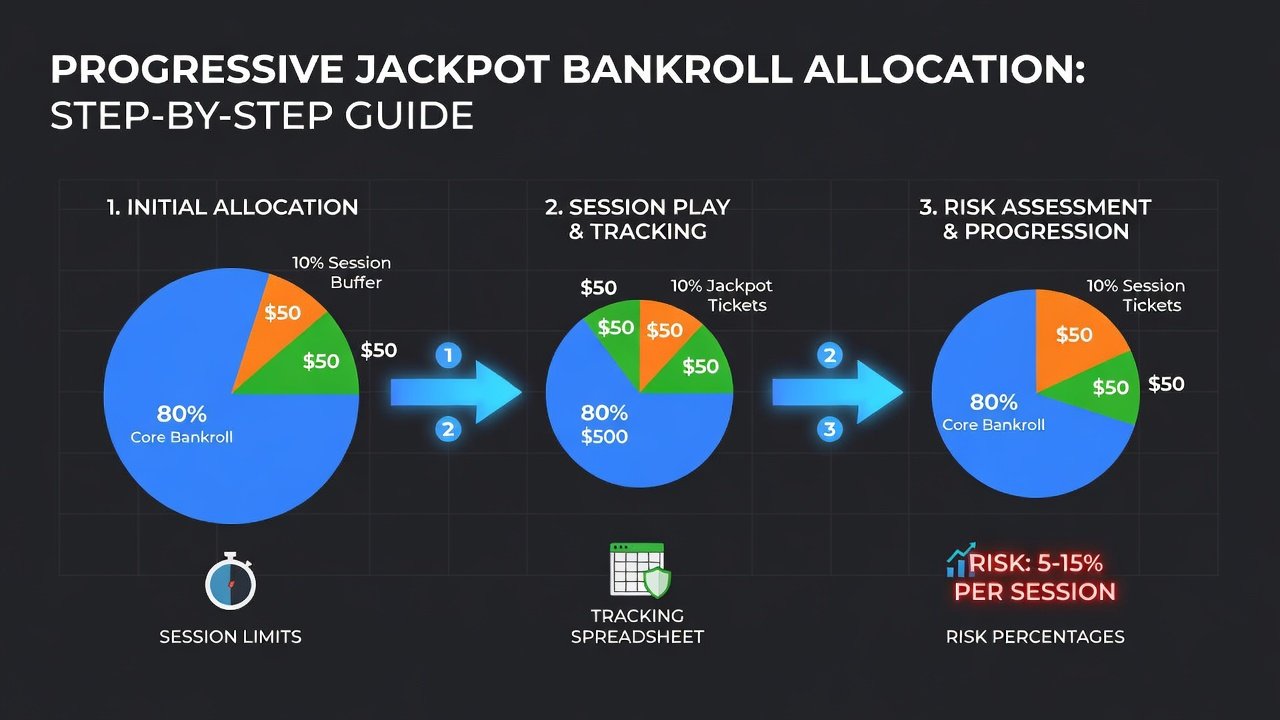
Effective bankroll management starts with setting a dedicated session budget separate from daily expenses. Allocate no more than 1-2% of your total gambling funds to any single progressive spin. Follow these steps for disciplined play: first, determine your total monthly gambling budget based on disposable income; second, divide into daily or weekly limits while reserving 30% specifically for progressive jackpot attempts; third, track every wager in a simple spreadsheet to identify patterns; and fourth, adjust allocations downward if losses reach 50% of the progressive portion. This method reduces the risk of rapid depletion while keeping you in contention for major wins.
Additional practical details include creating separate sub-accounts for different game types and using percentage-based stop-loss rules. For instance, if your progressive allocation is $500 for the month, limit individual sessions to $50-$100 and review performance weekly. Real-world scenarios demonstrate that players who adhere to these allocations extend their playtime and encounter more jackpot triggers over time compared to those who bet impulsively.
Real Payout Examples and Risk Management Tips
Historical data shows occasional seven-figure wins on titles like Mega Fortune and Hall of Gods, though most players experience smaller bonus payouts along the way. Risk management includes setting win and loss limits before starting a session and using casino tools such as deposit caps. Always verify game rules for minimum bet requirements to qualify for the jackpot. Additional tips involve diversifying across multiple progressive titles rather than concentrating all funds on one game and reviewing payout histories published by reputable casinos.
Effective risk strategies also encompass emotional control techniques, such as taking breaks after significant wins or losses. Players who combine strict financial limits with game selection based on verified payout data report more sustainable experiences. Avoid unverified third-party tools that promise jackpot predictions, as these often violate platform terms and increase exposure to scams.
Timing Your Play Sessions Effectively
Optimal timing involves playing during off-peak hours when fewer competitors are active, potentially increasing your relative chance in networked pools. Many experts recommend shorter, focused sessions of 30-60 minutes rather than marathon play, as this maintains concentration and prevents fatigue-induced errors. Seasonal trends, such as holiday periods or major sporting events, can influence player traffic and jackpot growth rates, so align sessions accordingly.
Further timing considerations include monitoring jackpot reset times and contribution velocity through in-game statistics. Some players schedule sessions immediately after a major win when the pool begins rebuilding from the seed amount. This approach balances the excitement of fresh accumulation with realistic expectations of the time required for meaningful growth.
Common Mistakes to Avoid
Avoid chasing losses by increasing bet sizes dramatically. Another frequent error is ignoring game volatility—high-volatility progressives require larger bankrolls. Never play without confirming mobile compatibility if using a smartphone, and steer clear of unlicensed platforms that may withhold winnings. Additional pitfalls include neglecting to read full terms and conditions, overlooking wagering requirements on bonus funds tied to progressive play, and failing to set predefined exit points for both winning and losing streaks.
Players also commonly underestimate the impact of currency conversion fees in international casinos or ignore regional regulatory differences that affect prize claims. Learning from these mistakes through documented case studies helps develop more resilient strategies over multiple sessions.
Frequently Asked Questions
Are progressive jackpot winnings taxed?
Tax rules vary by jurisdiction. In many regions, large wins are considered taxable income. Consult official resources such as the IRS for U.S. players or equivalent government sites for your location.
What are the minimum bet requirements?
Most progressives require the maximum bet per spin to qualify for the jackpot. Always check the paytable and rules before playing to confirm eligibility.
Are these games mobile compatible?
Leading providers optimize progressive slots for mobile browsers and apps in 2026. Test on your device using demo modes first to confirm smooth performance and touch controls.
Responsible play remains essential. For support resources, visit the UK Gambling Commission or BeGambleAware.


No comments yet. Be the first!