 GambleLore

Introduction to AI in Modern Online Gambling
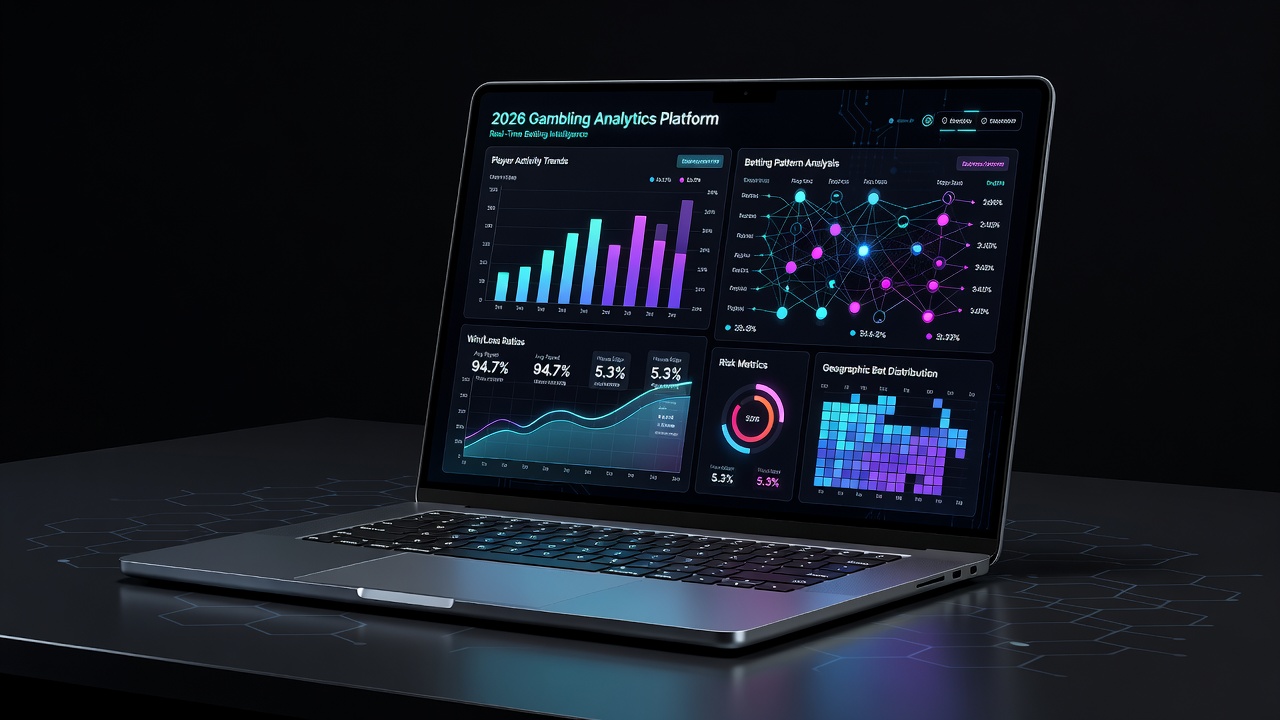
Artificial intelligence is transforming how players approach online gambling by providing data-driven insights that were once unavailable. In 2026, AI tools help analyze odds, forecast trends, and refine betting decisions across casino games like slots, blackjack, and roulette. This comprehensive guide explores real-world applications, top platforms, detailed integration processes, and best practices for safe and effective use. Players seeking an edge now turn to machine learning algorithms that process enormous volumes of historical and live data to uncover subtle patterns invisible to the human eye.
Whether you are a casual player or a dedicated strategist, understanding these tools can elevate your sessions. The focus remains on practical implementation rather than guaranteed wins, emphasizing how technology supports informed decision-making while promoting responsible habits.
Key AI Applications for Odds Analysis and Trend Prediction
AI excels at processing vast datasets from historical game outcomes and market movements. Machine learning models identify patterns in odds fluctuations that human players might miss. For example, predictive algorithms can evaluate thousands of past spins or hands to estimate probability shifts, allowing users to adjust wagers dynamically during live play. In roulette, AI might detect slight biases in wheel behavior over extended sessions, while in blackjack it can track card distribution trends in multi-deck shoes.
Trend prediction tools use natural language processing to scan news, social media signals, and regulatory updates that influence betting markets. These capabilities empower players to make informed choices rather than relying on intuition alone. Advanced systems also incorporate sentiment analysis from forums and betting exchange data to anticipate shifts before they become obvious to the broader market.
How AI Algorithms Support Different Casino Games
Different games benefit uniquely from AI assistance. In slots, algorithms analyze payout frequencies and volatility indexes to suggest optimal bet sizing and session timing. Blackjack players leverage reinforcement learning models that simulate millions of hands to refine basic strategy deviations based on real-time deck composition estimates. Roulette enthusiasts use computer vision tools to track wheel speed and ball trajectory in live dealer environments.
Poker applications stand out with opponent modeling that evaluates betting patterns across thousands of hands, helping users identify exploitable tendencies. These game-specific adaptations demonstrate why one-size-fits-all solutions rarely deliver maximum value, encouraging players to match tools to their preferred formats.
Top AI Platforms Available in 2026
Several established providers lead the market with specialized gambling analytics suites. IBM Watson offers robust predictive modeling suitable for odds evaluation, while Microsoft Azure AI delivers scalable tools for real-time data processing. Google Cloud AI provides accessible machine learning environments that integrate well with mobile applications. Newer entrants focus on niche casino analytics with pre-built templates for popular games.
Users should evaluate platforms based on accuracy rates, user interfaces, data privacy certifications, and compatibility with mobile devices. Trial periods allow testing before committing to any service.
Step-by-Step Integration Examples
Start by selecting a platform with clear documentation and strong security protocols. Connect your preferred casino account via secure APIs, ensuring two-factor authentication is enabled. Configure parameters such as game type, risk tolerance levels, and preferred time frames for analysis. Run initial simulations on historical data to calibrate the model before live use. Monitor outputs daily and refine inputs based on performance metrics like hit rate and return on investment.
Consider a blackjack example: import past session logs, train the model on your specific rule variations, then activate real-time suggestions during play. For slots, set volatility thresholds and receive alerts when certain machines enter favorable cycles according to the algorithm. Always test in demo modes first to understand system behavior without financial exposure.

Free Versus Paid AI Tools Comparison
Free tools provide basic analytics and limited datasets, making them suitable for beginners exploring concepts without upfront investment. They often include community forums and basic tutorials. Paid subscriptions unlock advanced features like custom modeling, unlimited historical queries, priority support, and multi-account management, often delivering higher precision for serious players. The choice depends on individual goals and volume of activity.
- Free options typically limit query volume and historical depth, restricting long-term trend analysis.
- Paid plans include enhanced visualization dashboards, API access for automation, and multi-game support across casinos.
- Hybrid approaches combine free entry-level testing with selective paid upgrades when specific features prove valuable.
- Key decision factors include data export capabilities, update frequency, and customer support response times.
Real-World Case Studies
One documented example involves a player using AI trend analysis to improve blackjack session outcomes by identifying favorable table conditions over several months. The individual combined probability modeling with bankroll tracking, resulting in more disciplined session lengths and reduced losses during downswings. Another case highlights a slots enthusiast who optimized bet sizing through predictive modeling, resulting in more consistent bankroll management across hundreds of spins.
A third scenario features a sports bettor who integrated AI with live odds comparison tools, achieving steadier returns by focusing on value bets identified through statistical anomalies. These cases underscore that success stems from disciplined application rather than blind trust in any single recommendation.
Responsible Usage Limits and Common Pitfalls
Set strict time and budget boundaries when employing AI assistance. Over-reliance on any tool can lead to skewed decision-making if models encounter unexpected variables such as software updates or market changes. Common mistakes include ignoring data privacy settings, failing to cross-verify AI suggestions with personal judgment, and chasing losses based on algorithmic signals alone.
Players should review responsible gambling resources regularly and treat AI as a supplementary aid rather than a guarantee of success. Additional guidance is available from national problem gambling organizations. Establish daily loss limits and schedule regular breaks to maintain perspective.
Frequently Asked Questions
How does AI protect user data in gambling tools?
Reputable platforms employ encryption and anonymization techniques to safeguard personal information during analysis, often complying with GDPR and similar regulations.
Are AI predictions always accurate?
No tool achieves perfect accuracy; results depend on data quality and market volatility. Users must maintain realistic expectations and view outputs as probabilities rather than certainties.
Can beginners use these tools effectively?
Yes, many platforms include guided onboarding and tutorials designed for new users, though starting with simpler free versions builds foundational understanding.
What legal considerations apply when using AI for gambling?
Always verify local regulations, as some jurisdictions restrict automated betting assistance or require disclosure of tool usage to operators.
How frequently should models be retrained?
Retraining every few weeks or after major game rule changes helps maintain relevance, especially in fast-evolving markets.
Conclusion
AI tools offer powerful enhancements to online gambling strategies when applied thoughtfully in 2026. By focusing on practical integration, responsible limits, and continuous learning, players can leverage technology to refine their approach across casino games while protecting their overall well-being.

No comments yet. Be the first!