 GambleLore

Introduction to the Psychology of Online Gambling
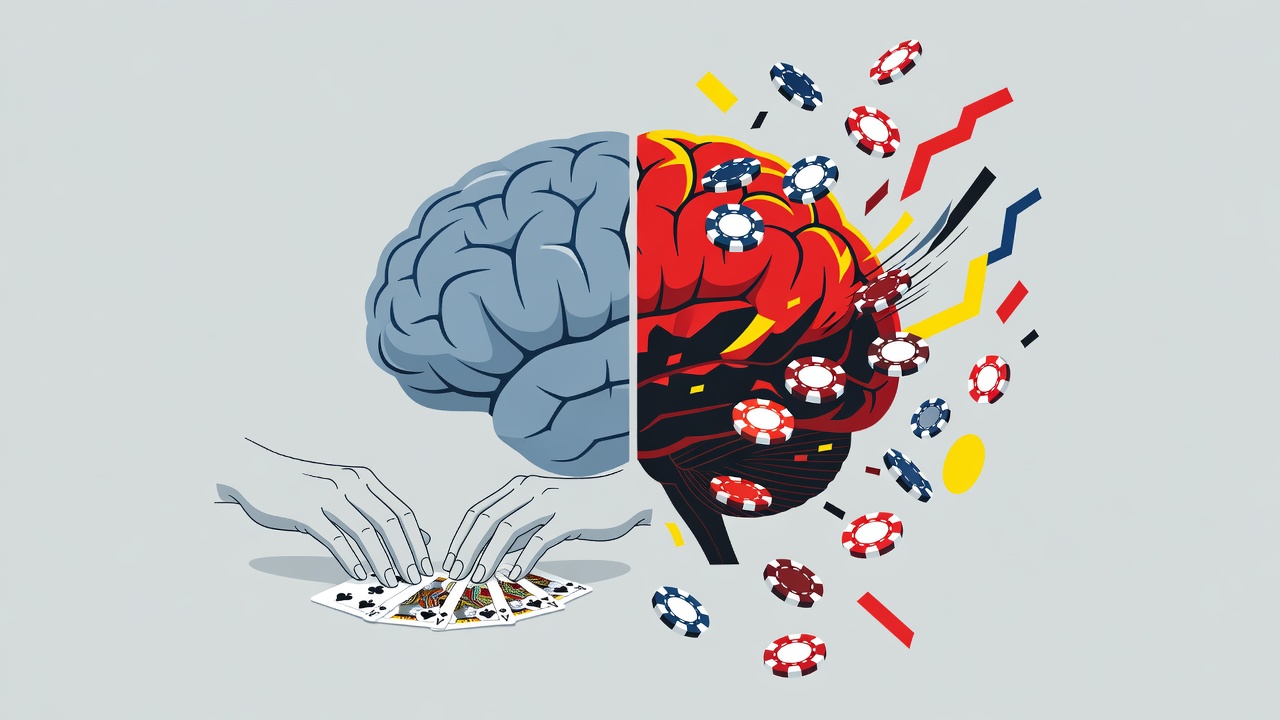
Understanding the mental side of online gambling is essential for anyone seeking consistent results in 2026. While luck plays a role in games like slots or blackjack, a strong mindset separates recreational players from those who approach gambling strategically. This guide explores key psychological principles, practical techniques, and real-world examples to help you cultivate a winning mindset. Players often focus solely on game rules and odds, yet the psychological component frequently determines whether sessions end in controlled enjoyment or impulsive regret. By developing awareness of your thought patterns, you can transform how you interact with online platforms and improve decision quality over time.
Successful gamblers recognize that emotions and cognitive biases often derail decision-making. By addressing these factors head-on, you can improve focus and reduce impulsive choices during sessions. Research into behavioral psychology shows that individuals who actively train their mental responses achieve better long-term outcomes than those who rely purely on intuition.
Managing Emotions During Play
Emotions such as excitement after a win or frustration after a loss can cloud judgment. Players who learn to pause and breathe between decisions maintain better control. For example, setting a rule to step away for five minutes after a significant loss helps reset the mind and prevents chasing losses. This simple timeout interrupts the emotional spike that leads many players to double their bets irrationally.
Techniques like mindfulness meditation before a session have helped many gamblers stay calm. Regular practice builds awareness of rising emotions, allowing you to exit sessions before tilt takes over. Consider progressive muscle relaxation during breaks or keeping a physical object like a stress ball nearby to redirect nervous energy. In one case study, a regular online blackjack player reduced emotional swings by 40 percent after implementing a pre-session breathing routine for two weeks.
Avoiding Common Biases Like the Gambler's Fallacy
The gambler's fallacy is the mistaken belief that past outcomes influence future independent events. In roulette, believing a black number is "due" after several reds leads to poor bets. Recognizing this bias requires reminding yourself that each spin or hand is independent. Another frequent issue is the hot-hand fallacy, where players assume a winning streak will continue indefinitely and increase stakes accordingly.
Other biases include confirmation bias, where players only notice wins that support their strategy. Keeping a detailed log of all outcomes counters this tendency and provides objective data for review. Availability bias occurs when recent memorable wins overshadow statistical realities. Counter these patterns by reviewing probability charts from trusted sources before every session and deliberately noting both positive and negative results in equal measure.
Setting Realistic Expectations
Approaching online gambling with the goal of entertainment rather than income prevents disappointment. Professional-level results require bankroll management and statistical understanding, yet even skilled players experience variance. Compare your results over hundreds of sessions rather than individual days to maintain perspective. Establish clear boundaries such as maximum session duration and loss limits based on your overall bankroll percentage.
Realistic goals might include improving decision accuracy rather than chasing specific profit targets. Many experienced players track metrics like expected value per hand instead of raw winnings to measure progress objectively.
Handling Winning and Losing Streaks
Winning streaks can create overconfidence, leading to larger bets and eventual reversals. Successful players stick to predetermined bet sizes regardless of recent results. Losing streaks test resilience; the key is accepting variance and avoiding the urge to increase stakes to recover quickly. Documenting streak patterns in a journal reveals that short-term runs rarely predict future performance.
Real-world example: A disciplined poker player maintains the same strategy through a downswing by reviewing hand histories rather than altering play style impulsively. Another player who experienced a 12-hand losing sequence in online blackjack chose to end the session early and returned the next day with renewed focus, ultimately recovering losses over the following week through consistent play.
The Role of Discipline in Decision-Making
Discipline means following a pre-set plan for session length, bet sizing, and game selection. Create a checklist before logging in: review your bankroll, set time limits, and define win/loss targets. This structure reduces emotional interference during live play. Revisit your rules weekly to adjust for changing circumstances while maintaining core principles.
American Psychological Association resources on cognitive control offer additional insights into building disciplined habits that transfer to gambling sessions. Incorporate accountability partners who can review your session logs and provide objective feedback on adherence to plans.
Practical Exercises for Building Resilience
- Daily journaling: Record emotions before, during, and after sessions to identify patterns and triggers that affect your play.
- Visualization: Spend five minutes imagining calm responses to both wins and losses to prepare mentally for real scenarios.
- Breathing exercises: Use the 4-7-8 technique when feeling stressed at the table to quickly restore composure.
- Post-session review: Analyze decisions without judgment to reinforce learning and highlight areas for improvement.
- Role-playing scenarios: Practice responding to unexpected outcomes with a friend or through mental rehearsal to strengthen automatic calm reactions.
These exercises, practiced consistently, strengthen mental toughness over time and become second nature during actual gameplay.
Comparing Successful and Unsuccessful Mindsets
Successful gamblers view losses as part of the process and focus on long-term strategy. They accept variance and maintain emotional neutrality. Unsuccessful players often blame external factors, chase losses aggressively, and abandon plans after short-term setbacks. The difference lies in perspective and adherence to process over outcomes. Successful individuals also celebrate disciplined adherence rather than solely focusing on monetary results, which sustains motivation during inevitable down periods.
Building Long-Term Mental Habits
Developing sustainable habits requires integrating psychological training into daily routines outside of gambling sessions. Schedule weekly reflection periods where you assess mindset progress independently of financial results. Over months, these practices compound into stronger resilience and clearer thinking during high-pressure moments.
FAQ: Common Psychological Challenges in Online Gambling
How do I stop tilting after a bad beat?
Implement a mandatory cooling-off period and review your decisions objectively once calm. Consider switching to a lower-stakes game temporarily to rebuild confidence.
Is it possible to completely eliminate biases?
Biases can be minimized through awareness and tracking, though complete elimination requires ongoing effort and regular self-assessment.
What role does resilience play in long sessions?
Resilience helps maintain focus and prevents impulsive deviations from strategy during extended play, reducing fatigue-related errors.
How can I handle pressure from chasing previous losses?
Reframe each session as independent and use pre-committed loss limits to remove the temptation to recover funds immediately.
World Health Organization guidelines on mental health further support developing balanced approaches to high-stakes activities.
Conclusion
Developing a winning mindset in online gambling requires deliberate practice in emotional control, bias recognition, and disciplined routines. By applying the strategies outlined above, players can approach sessions with greater clarity and resilience in 2026 and beyond.


No comments yet. Be the first!