 GambleLore
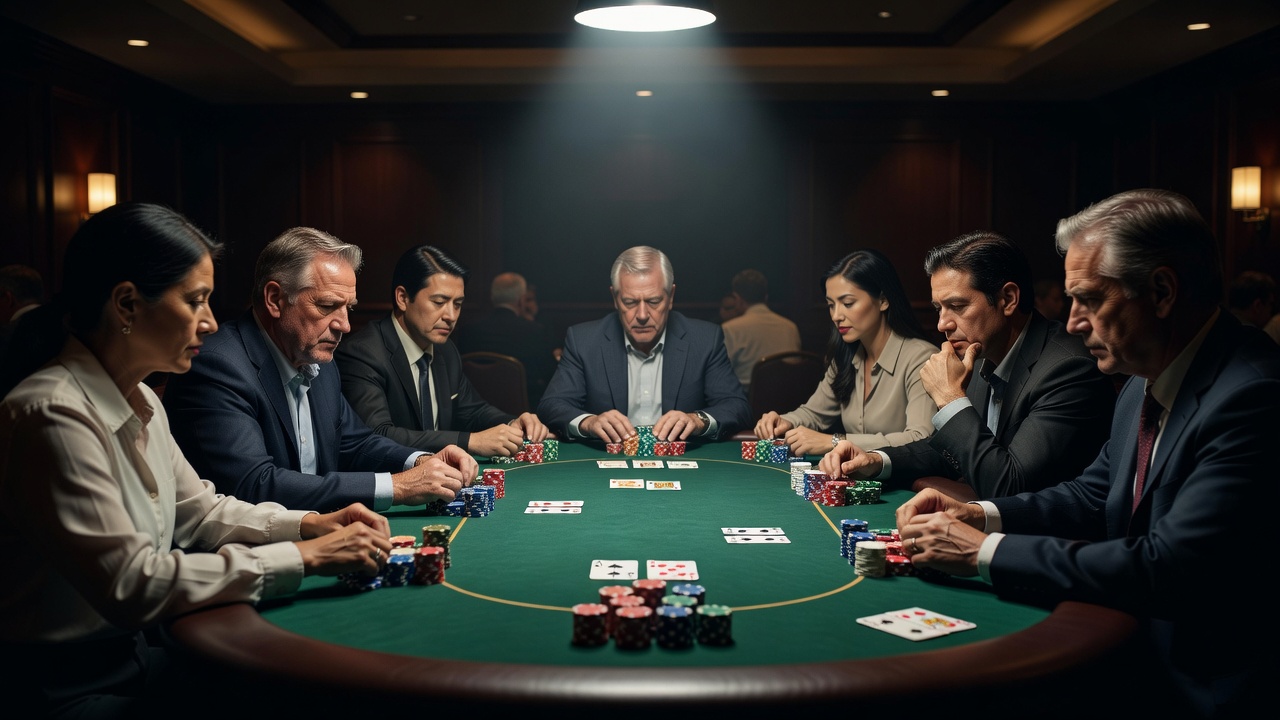
Introduction to Table Image in Texas Hold'em Tournaments
Creating a deliberate table image is one of the most powerful non-mathematical edges available in Texas Hold'em poker tournaments. In 2026, as fields grow more sophisticated, players who master psychological manipulation through image gain consistent advantages beyond standard ranges and bet sizing. This guide walks through establishing personas, deviating profitably, and adapting across formats and stack depths. Table image refers to how opponents perceive your playing style based on observed actions. A strong image influences their decisions, often leading to folds when you hold value or calls when bluffing. Understanding this dynamic allows advanced players to control the flow of pots without relying solely on card strength.
The concept extends beyond basic tight or loose labels. It involves crafting a narrative that opponents buy into, then exploiting that narrative at critical moments. Successful image building requires patience in the early stages and calculated risks later. Tournament players who ignore image often miss profitable spots where opponents over-fold or over-call due to preconceived notions.
Psychological Foundations of Table Image
Opponents form quick judgments based on your first few orbits. These impressions stick because human psychology favors pattern recognition. By controlling the initial hands you show or the frequency of your raises, you shape how the table views your range. For instance, consistently folding weak aces early creates a tight label that makes later steals more effective. This psychological edge compounds as the tournament progresses and blinds increase.
Establishing a Tight Table Image Early
Start tournaments by playing fewer hands in early positions. Fold marginal holdings preflop to build credibility. Opponents label you as nitty, which pays off later when you widen ranges in key spots. Example: In a $500 buy-in event, fold AJo from middle position for the first two orbits. When you later three-bet AQ from the cutoff, the table respects the raise and folds more often. Extend this by showing down strong hands only when necessary. Avoid unnecessary bluffs until the image is cemented.
Developing a Loose or Aggressive Persona
Alternatively, enter more pots early with suited connectors and small pairs. This loose image encourages opponents to pay you off with top pair when you hit strong hands later. Real-hand example: Raise 76s from the button frequently in the first level. Hours later, when you flop a straight with the same hand against a tight player’s overpair, your aggressive image induces a call. Balance this approach by mixing in occasional value raises to prevent the table from adjusting too quickly.
Deviating from Your Image for Maximum Profit
The real edge comes from strategic deviations. If labeled tight, bluff more on coordinated boards. If seen as loose, value bet thinly. Checklist for deviation timing: Observe opponent tendencies for at least 30 hands. Choose spots with high fold equity, such as river barrels. Size bets consistently with your image to avoid suspicion. Track results in a mental or written log to refine future deviations. Another example involves the river: After playing tight for hours, a well-timed triple barrel with air can win a large pot when opponents expect only value.
Adapting Image Across Stack Depths
Short stacks demand tighter images to preserve fold equity. Deep stacks allow more image manipulation through multi-street bluffs. When under 20 big blinds, reinforce a tight image by only shoving premium hands. Deeper stacks let you mix in bluffs while maintaining the same perceived range. At 40 big blinds or more, experiment with position-based raises that reinforce or break your established image. Late-stage adaptations become crucial when pay jumps approach and ICM pressure mounts.
Online vs Live Tournament Settings
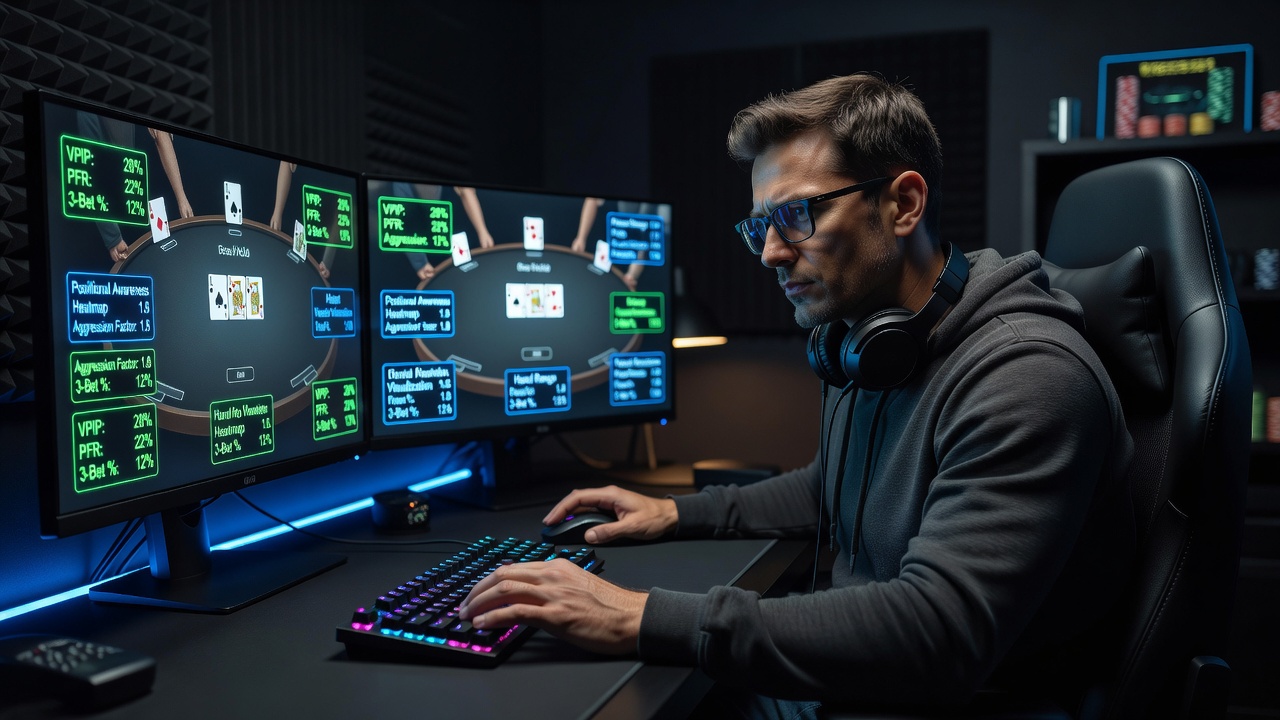
Online, image builds faster due to hand volume but resets quicker with new tables. Use HUD notes to track perceived images. In live settings, physical tells and table talk amplify image effects. Maintain consistent mannerisms to sell your persona longer. PokerNews offers extensive coverage of live tournament dynamics. Online platforms allow rapid table hopping, so reset your image by changing seats or waiting for new opponents. Live games reward sustained consistency because players remain at the same table for hours.
Position-Based Image Strategies
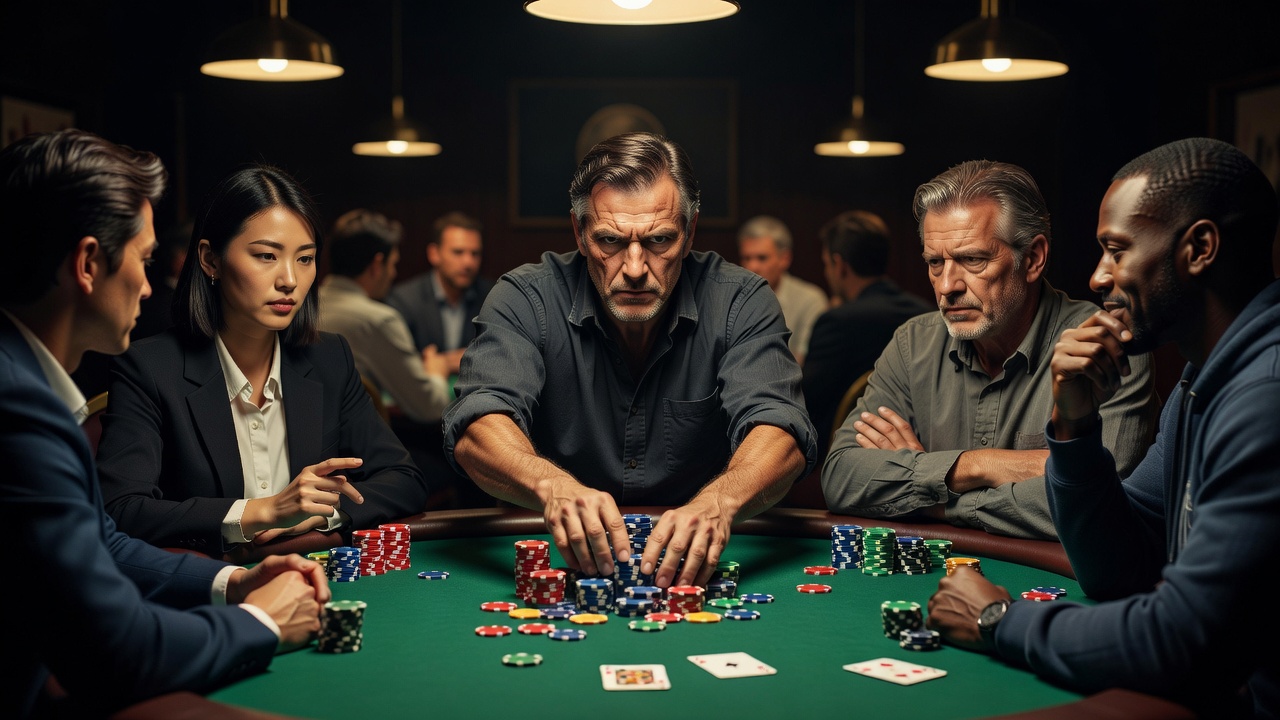
Early position image building focuses on selective aggression to avoid leaks. Middle position allows mixing frequencies to keep opponents guessing. Late position is ideal for testing deviations because you act last and gather more information. Adjust your opening ranges by position while keeping the overall persona intact. For example, a tight early-position image lets you steal blinds liberally from the button without resistance.
Monitoring and Adjusting Image Mid-Tournament
Watch for players adjusting by calling wider or folding less. Shift your image mid-tournament by changing frequencies dramatically. Use small bets or checks to gather feedback on how the table perceives you. If opponents start calling light, tighten up temporarily before reintroducing bluffs. This cat-and-mouse element keeps your edge alive.
Common Pitfalls to Avoid
Over-bluffing after establishing a tight image without proper blockers leads to costly mistakes. Ignoring stack sizes when deviating reduces effectiveness. Failing to reset image after table changes wastes prior work. Another frequent error is showing too many hands early, which reveals your actual range and destroys the crafted persona. Always balance show-down value with strategic folds.
Practical Checklists for Image Building
Early stage checklist: Play 8-12% of hands, note three key folds, observe reactions from at least four opponents. Middle stage: Introduce one deviation per orbit, track results, adjust based on table talk. Late stage: Focus on ICM-aware deviations that maximize fold equity near pay jumps. Review these lists between levels to stay disciplined.
Frequently Asked Questions
How quickly can I change my table image?
Effective shifts require 20-30 hands minimum in most tournaments, though live games may need more time due to slower pace.
Is table image more important online or live?
Live tournaments reward image more due to slower pace and direct observation, while online benefits from volume and notes.
What if the table is too tight to exploit?
Focus on value-heavy ranges and wait for dynamics to shift, or move to more aggressive tables when possible.
Can image work in short-handed or heads-up play?
Yes, but adjustments happen faster, requiring quicker deviations and constant monitoring of opponent reactions.
Conclusion
Mastering table image in Texas Hold'em tournaments separates advanced players from the field. Combine consistent persona building with timely deviations for lasting edges in 2026 events. Practice these concepts in lower-stakes tournaments before applying them at higher buy-ins. Consistent application across different formats and stack sizes will elevate your results over time.
No comments yet. Be the first!