 GambleLore
Mindfulness Techniques for Texas Holdem Tournament Edges 2026
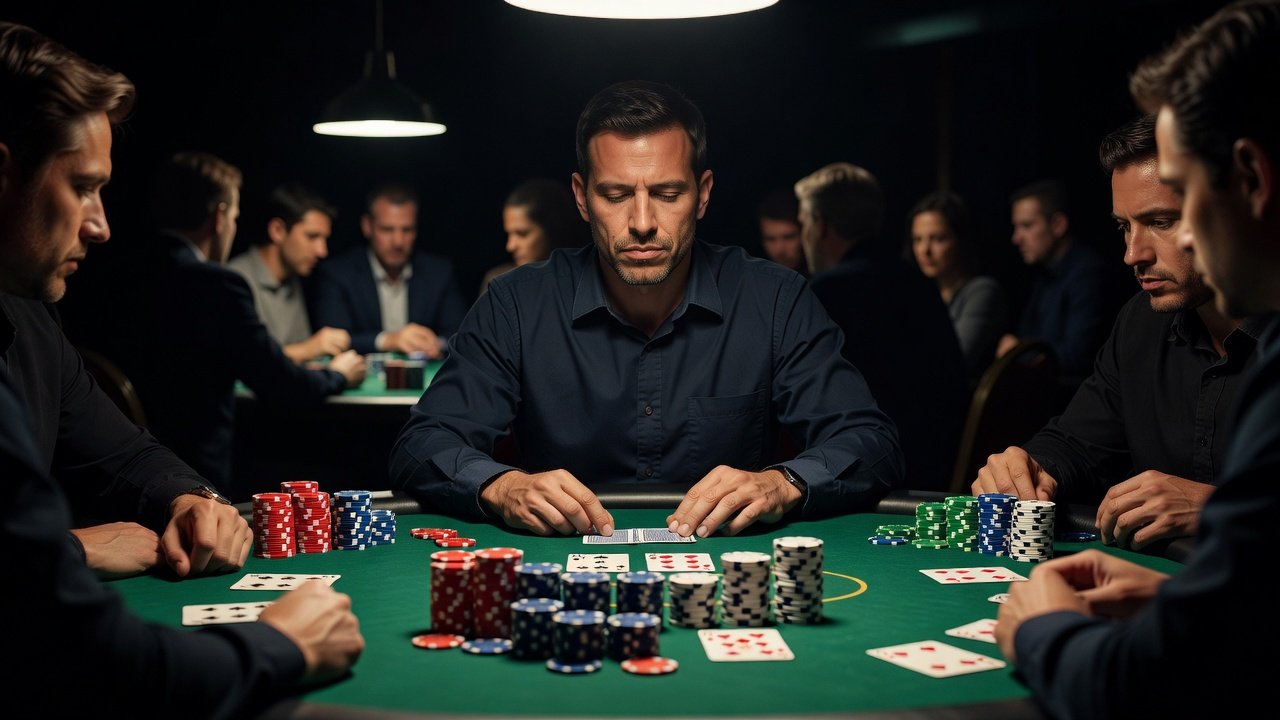
Texas Hold'em tournaments place enormous demands on mental stamina and clear thinking. High-pressure moments can trigger emotional responses that derail even the strongest technical strategies. Mindfulness practices provide targeted mental tools to sharpen decision-making, minimize errors, and sustain focus across long sessions. These methods complement core poker strategies and online poker tips by training players to observe thoughts and emotions without immediate reaction. This comprehensive guide delivers in-depth explanations, step-by-step routines, real-world examples, and actionable drills designed for serious tournament competitors seeking an edge in 2026.
Understanding Mindfulness in Poker Contexts
Mindfulness is the practice of bringing full attention to the present moment with acceptance rather than judgment. In poker, this translates to noticing physical sensations, emotional states, and mental narratives during hands without letting them dictate impulsive plays. Scientific literature from major health organizations confirms that regular mindfulness training enhances prefrontal cortex activity, improving impulse control and working memory—skills essential for accurate range assessment and bet sizing under stress.
Unlike general relaxation, poker-specific mindfulness targets the unique stressors of tournament play: fluctuating stack sizes, table dynamics, and ICM implications. Players who cultivate this awareness often experience fewer tilt spirals after bad beats and maintain better discipline during deep runs. The practice does not replace study of ranges or tournament math; instead, it optimizes the execution of that knowledge when adrenaline surges.
Breathing Exercises Before Big Decisions
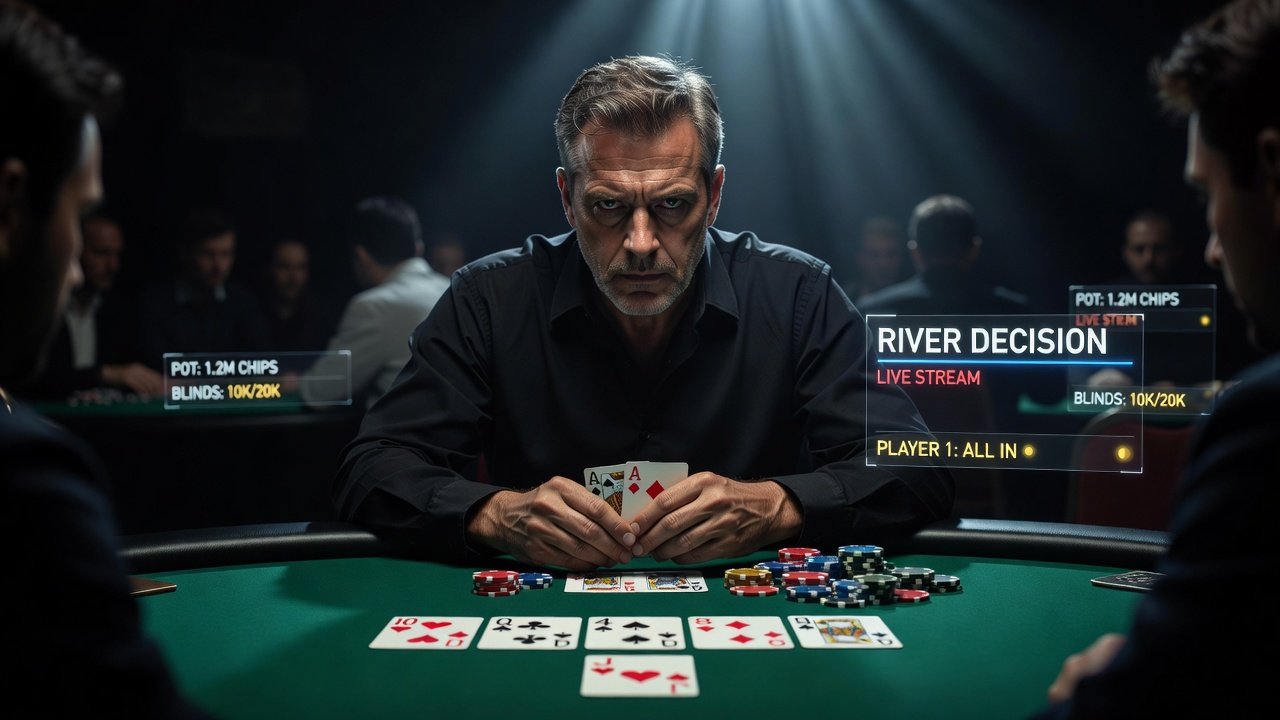
Controlled breathing serves as an immediate on-demand regulator for the nervous system. The 4-7-8 method involves inhaling quietly through the nose for four seconds, holding for seven seconds, and exhaling completely through the mouth for eight seconds. Perform three cycles when facing a river decision or large all-in situation. This technique slows heart rate and creates a brief cognitive buffer that interrupts reactive patterns.
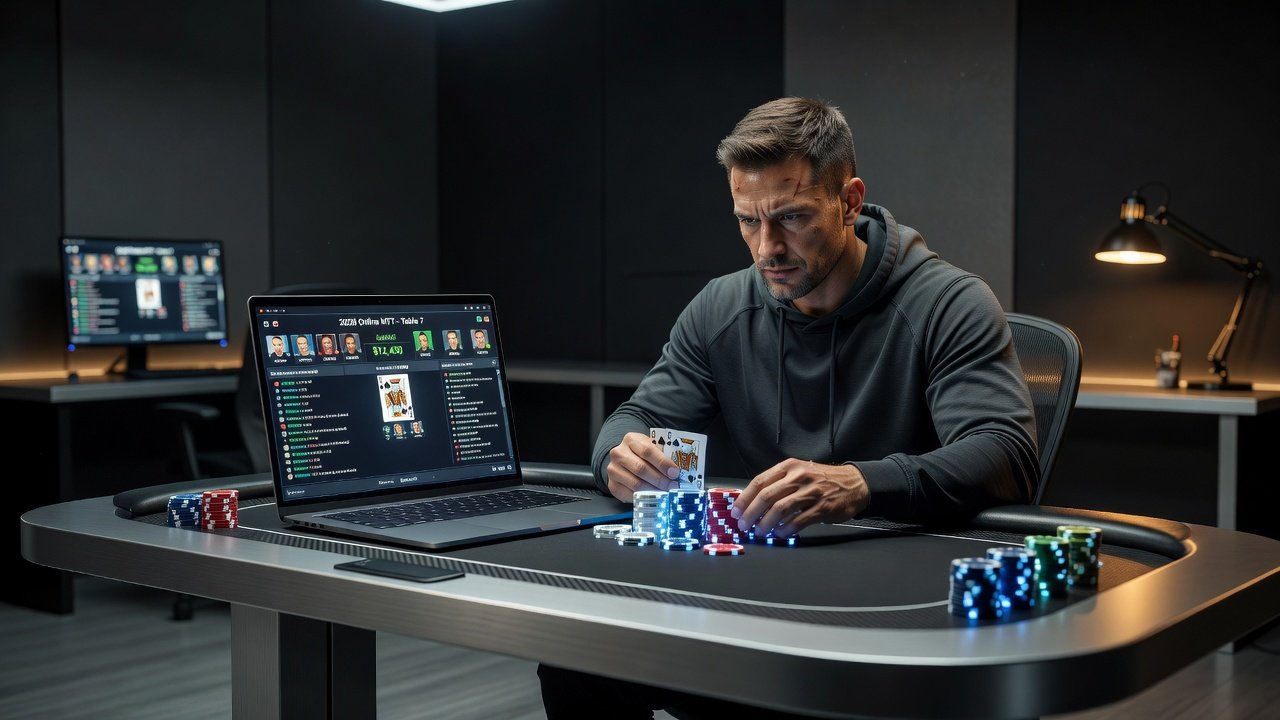
Box breathing offers another proven option: inhale for four counts, hold for four, exhale for four, and hold again for four. Many players pair this with a subtle physical anchor, such as resting hands on the table edge, to stay grounded without drawing attention. For online play, these exercises fit naturally between hands or during short breaks. Consistent off-table rehearsal for ten minutes daily builds the habit so it activates automatically in live tournaments.
Visualization Routines for Hand Ranges
Visualization strengthens mental models of possible holdings and outcomes. Before critical spots, spend thirty seconds constructing detailed mental images of opponent ranges, board textures, and your response options. Picture specific card combinations, bet sizes, and resulting pot odds while remaining detached from emotional attachment to any single result.

Advanced players extend this by visualizing multiple branches: what happens if the opponent checks, bets small, or shoves. This pre-loading of scenarios accelerates accurate reads during actual play. Combine visualization with breathing to deepen focus and reduce physical tension in the shoulders and jaw.
Mindful Versus Reactive Play: A Comparison
Reactive play stems from immediate emotional impulses and frequently produces costly deviations from optimal strategy. Mindful play inserts a deliberate observation step that preserves strategic alignment. Consider these contrasts:
- Reactive players chase draws after recent losses regardless of odds; mindful players evaluate equity and fold when the price is wrong.
- Reactive players increase aggression after winning a large pot due to overconfidence; mindful players maintain consistent ranges based on position and stack depth.
- Reactive players ignore remaining tournament life near bubbles; mindful players adjust push-fold charts according to payout structures.
- Reactive players dwell on previous hands during current decisions; mindful players reset attention to the present board and action.
Over time, the mindful approach compounds into higher survival rates and deeper finishes.
Step-by-Step Implementation Guides
Begin with a two-week foundation phase of daily seated meditation using a simple breath focus for ten minutes each morning. Progress to integrating brief resets at the table during low-stakes practice sessions. Journal key decisions daily, noting emotional state before and after applying mindfulness. After four weeks, increase session length and add visualization drills. Track metrics such as voluntary folds in marginal spots and frequency of tilt-induced blunders to measure progress objectively.
Practical Drills for Tournament Players
- Pre-session grounding: Five minutes of breath awareness before starting play to establish baseline calm.
- Range rehearsal: Select ten common late-stage scenarios and mentally simulate three possible opponent actions plus your counters.
- Mid-session reset: After every orbit, perform one cycle of box breathing to clear accumulated tension.
- Post-hand observation: Note physical sensations and thoughts without labeling them as good or bad.
- End-of-day review: Spend five minutes reflecting on moments where mindfulness altered a decision outcome.
These drills become more effective when practiced consistently across both online and live environments.
Common Pitfalls to Avoid
Players often attempt advanced techniques without sufficient daily practice, leading to inconsistent results. Others expect immediate dramatic improvements and abandon the process after a single disappointing session. A frequent error is forcing breathing during active hands, which can distract from board and opponent information. Schedule resets between hands instead. Finally, some treat mindfulness as a substitute for technical study; the greatest edges arise when mental training supports ongoing strategy refinement.
Real Tournament Examples
During a 2025 WSOP Circuit event, one player used 4-7-8 breathing after a river cooler to prevent a tilt-driven shove in the next orbit, preserving a stack that reached the final table. Another competitor visualized polarized ranges during a critical bubble decision, correctly folding ace-king to a large bet and laddering up several pay jumps. Online qualifiers have reported similar benefits when applying visualization during long Sunday tournament sessions, maintaining focus through multiple hours of play.
Frequently Asked Questions
How long until mindfulness improves my game?
Noticeable shifts in decision clarity typically appear after two to four weeks of consistent daily practice, with stronger effects accumulating over several months.
Can these techniques replace strategy study?
No. Mindfulness optimizes execution of existing strategies but cannot substitute for learning ranges, ICM models, or opponent profiling. Combine both approaches for best results.
Is mindfulness suitable for online poker?
Yes. Online players benefit greatly by using breathing exercises during breaks and visualization during hand histories review.
Does mindfulness help with bankroll management?
Indirectly. By reducing emotional decision-making, players adhere more closely to pre-set buy-in and session limits.
Conclusion
Mindfulness techniques equip Texas Hold'em players with durable mental edges that enhance focus, reduce errors, and support longer tournament runs. Through deliberate breathing, structured visualization, and repeated drills, competitors develop the capacity to stay present and strategic under pressure. Integrate these methods gradually alongside established poker tournament strategies to unlock measurable improvements throughout 2026. Consistency remains the key differentiator between occasional calm and sustained performance gains.
Further reading on mental performance is available from Mayo Clinic, American Psychological Association, and WSOP.
No comments yet. Be the first!