 GambleLore

Introduction to Multi-Tabling in Texas Hold'em
Multi-tabling has become a cornerstone strategy for serious online poker players aiming to maximize their earnings in Texas Hold'em tournaments. By playing multiple tables simultaneously, you can significantly increase the number of hands you see per hour, leading to higher overall volume and potential profits. This guide explores practical, advanced techniques tailored for 2026, helping you scale your sessions effectively without compromising the quality of your decisions. Players who master multi-tabling often see improved ROI over time because they expose themselves to more opportunities. However, success requires careful planning around table selection, software, focus management, and strategy adjustments. In 2026, with faster internet connections and improved poker platforms, multi-tabling is more accessible than ever, but it demands discipline to avoid common mistakes that erode edges.
Understanding the Benefits and Risks of Multi-Tabling
Before diving into execution, it is essential to weigh the advantages against the challenges. The primary benefit is volume: a skilled player might see 80-100 hands per hour on a single table but can reach 300-400 hands across eight tables. This increased exposure accelerates bankroll growth when win rates are positive. Yet risks include decision fatigue, missed information, and emotional tilt from simultaneous losses. To mitigate these, always begin with conservative table counts and gradually increase based on tracked results. Real-world examples show that players who ignore these risks often experience sharp drops in win rate after the first month of aggressive multi-tabling.
Selecting the Optimal Number of Tables
Determining how many tables to play depends on your skill level, experience, and ability to maintain focus. Beginners should start with 2-4 tables to build comfort, while intermediate players can handle 6-8. Advanced players often manage 12 or more, but only after rigorous practice. Consider your win rate and variance tolerance. Higher table counts amplify both wins and losses, so ensure your bankroll supports the increased swings. Track your performance metrics across different table counts to find your personal sweet spot. For instance, if your single-table ROI is 15 percent, test adding tables one at a time and monitor whether the figure stays above 8 percent before committing to higher volume.
Recommended Poker Software Tools
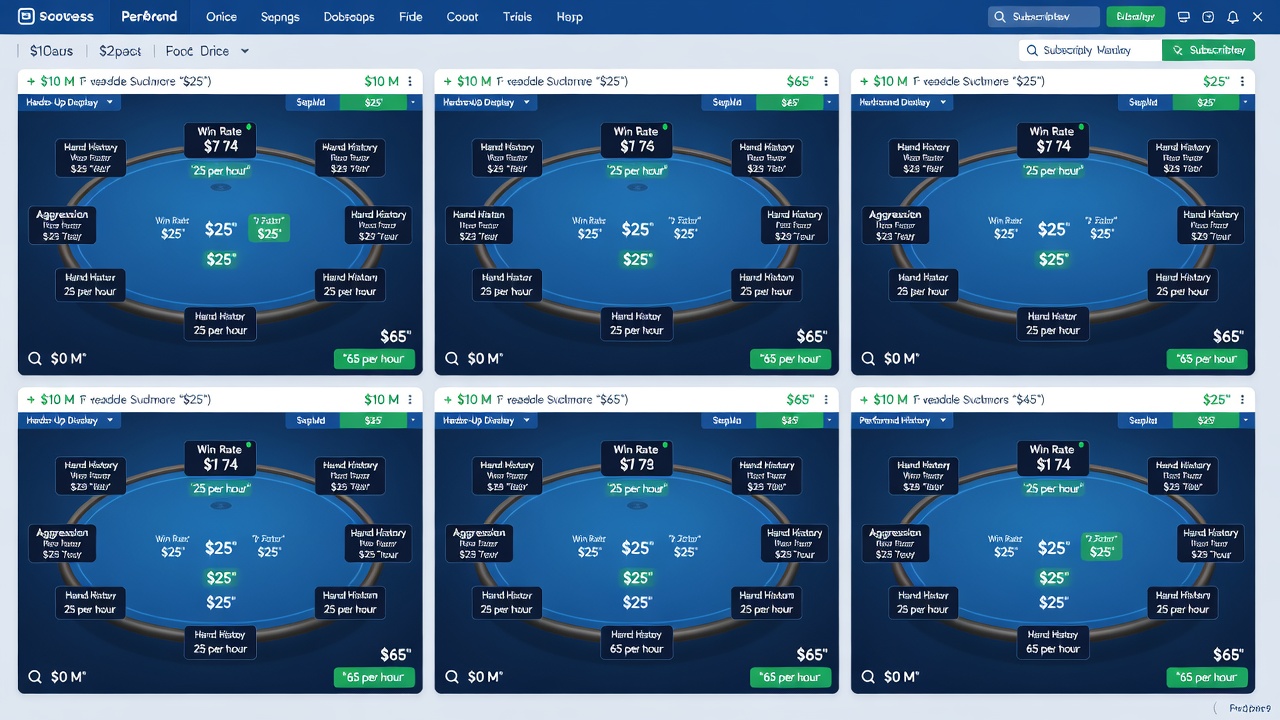
Modern poker software is essential for efficient multi-tabling. Tools like table managers, HUDs, and hand trackers allow you to monitor multiple games without missing critical information. Popular options include PokerTracker 4 and Hold'em Manager 3 for detailed analytics. These programs overlay statistics on your tables, helping you make informed decisions quickly. Integrate them with hotkey software to streamline actions across tables. For deeper insights into player tracking and HUD configuration, many professionals reference resources from PokerTracker. Another reliable platform for tournament data and strategy discussion is PokerNews, which regularly publishes updated guides on software integration.
Maintaining Focus Under Pressure
High-volume multi-tabling can lead to mental fatigue, increasing the risk of errors. Implement routines such as scheduled breaks every 60-90 minutes and mindfulness techniques to stay sharp. Use features like table tiling and auto-center options in your poker client to keep all tables visible. Limit distractions by creating a dedicated workspace and using noise-cancelling headphones during sessions. A practical example involves setting a phone timer for hydration and posture checks every 45 minutes. Players who incorporate short meditation apps between tournaments report sustained concentration levels even after four hours of continuous play.
Adjusting Strategies Across Simultaneous Games
Strategies must adapt when playing multiple tables. Tighten your opening ranges slightly to reduce complex decisions, and prioritize post-flop play where your edge is strongest. Pay attention to table dynamics individually. Use quick-fold options on marginal hands to free up mental bandwidth for tougher spots. Review hand histories regularly to refine your multi-table approach. In practice, this might mean folding 10 percent more pre-flop hands than in single-table scenarios to preserve energy for river decisions that occur across several tables at once.
Step-by-Step Setup Examples
Follow this setup for a smooth multi-tabling experience: First, launch your poker client and log in with a stable connection. Second, open your tracking software and configure HUDs with only essential stats such as VPIP, PFR, and aggression factor. Third, select tournaments with similar structures for easier management, ideally all MTTs with comparable blind levels. Fourth, arrange tables in a grid layout using software shortcuts or third-party window managers. Fifth, start with fewer tables and gradually increase as comfort grows. An example session might begin with four $10 MTTs at 6 p.m., adding two more after the first hour once initial reads are established.
Bankroll Guidelines for Multi-Tabling
Proper bankroll management is critical. Allocate at least 50-100 buy-ins per tournament level when multi-tabling to withstand variance. This conservative approach protects against downswings common in high-volume play. Track your results weekly and adjust table counts downward if your bankroll dips below the recommended threshold.
Single-Table vs Multi-Table ROI Comparison
- Single-table play often yields higher per-table ROI due to deeper focus but limits total volume.
- Multi-table sessions can double or triple hourly earnings for skilled players, though individual table ROI may dip 10-20 percent from divided attention.
- Long-term data shows multi-tablers with strong fundamentals achieve superior overall profits through volume.
- Players should compare their personal graphs: a single-table specialist might earn $25 per hour while a multi-tabler at eight tables earns $65 per hour despite a slightly lower ROI percentage.
Common Pitfalls to Avoid
Avoid overextending beyond your skill level, ignoring table selection, and failing to review sessions. Many players also neglect ergonomics, leading to physical strain during long sessions. Another frequent error is failing to adjust for late-stage tournament dynamics when tables reach the money bubble simultaneously. Always maintain a session log noting both wins and mental state to identify patterns before they become costly habits.
Frequently Asked Questions
Is multi-tabling suitable for beginners?
Start small with 2-4 tables after mastering single-table basics to avoid overwhelm.
What software is best for tracking multiple tables?
PokerTracker and Hold'em Manager are industry standards for comprehensive analysis.
How does multi-tabling affect decision quality?
It can reduce quality if not managed properly; use tools and disciplined ranges to mitigate this.
Should I multi-table cash games or tournaments?
Tournaments generally suit multi-tabling better due to slower blind structures allowing more time for decisions across tables.
Conclusion
Mastering multi-tabling in online Texas Hold'em requires a blend of technical setup, mental discipline, and strategic flexibility. By following these guidelines, you can scale your play effectively and boost your results in 2026.


No comments yet. Be the first!