 GambleLore

Understanding Fantasy Sports Betting in 2026
Fantasy sports betting continues to surge in popularity as technology makes it easier than ever to participate in daily and season-long contests. This activity blends elements of sports knowledge, statistical analysis, and strategic decision-making, yet it also carries inherent gambling risks that differ from traditional sports wagering. In 2026, players face an evolving landscape where mobile apps, real-time data feeds, and social features intensify engagement levels. Responsible gambling practices become essential to ensure that participation remains enjoyable rather than problematic. This comprehensive guide delves into the specific challenges of fantasy sports betting while offering detailed, actionable strategies for setting limits, recognizing warning signs, and leveraging new safety tools.
Enthusiasts often start with small entry fees but can quickly escalate involvement due to the competitive nature of leagues. Understanding these dynamics helps participants maintain control and avoid common pitfalls that lead to financial or emotional distress.
Unique Risks Compared to Traditional Betting
Fantasy sports introduce distinct psychological pressures not always present in single-event betting. Participants build and manage multiple rosters across various sports, requiring constant monitoring of player performances, injuries, and matchups. This ongoing involvement creates a sense of ownership that heightens emotional stakes, making losses feel more personal and prompting impulsive adjustments mid-contest.
Unlike fixed-odds sports betting where outcomes are resolved quickly, fantasy formats often span days or entire seasons, fostering prolonged exposure and the temptation to chase losses through additional entries. The illusion of skill-based control can encourage overconfidence, leading users to increase stakes under the belief that superior research will guarantee returns. Social components such as league messaging, public leaderboards, and friend invitations further amplify engagement, sometimes resulting in extended screen time that interferes with daily responsibilities. Research from behavioral studies indicates these factors collectively raise the risk of developing problematic patterns compared to more passive betting methods.
Setting Realistic Bankroll Limits with Practical Examples
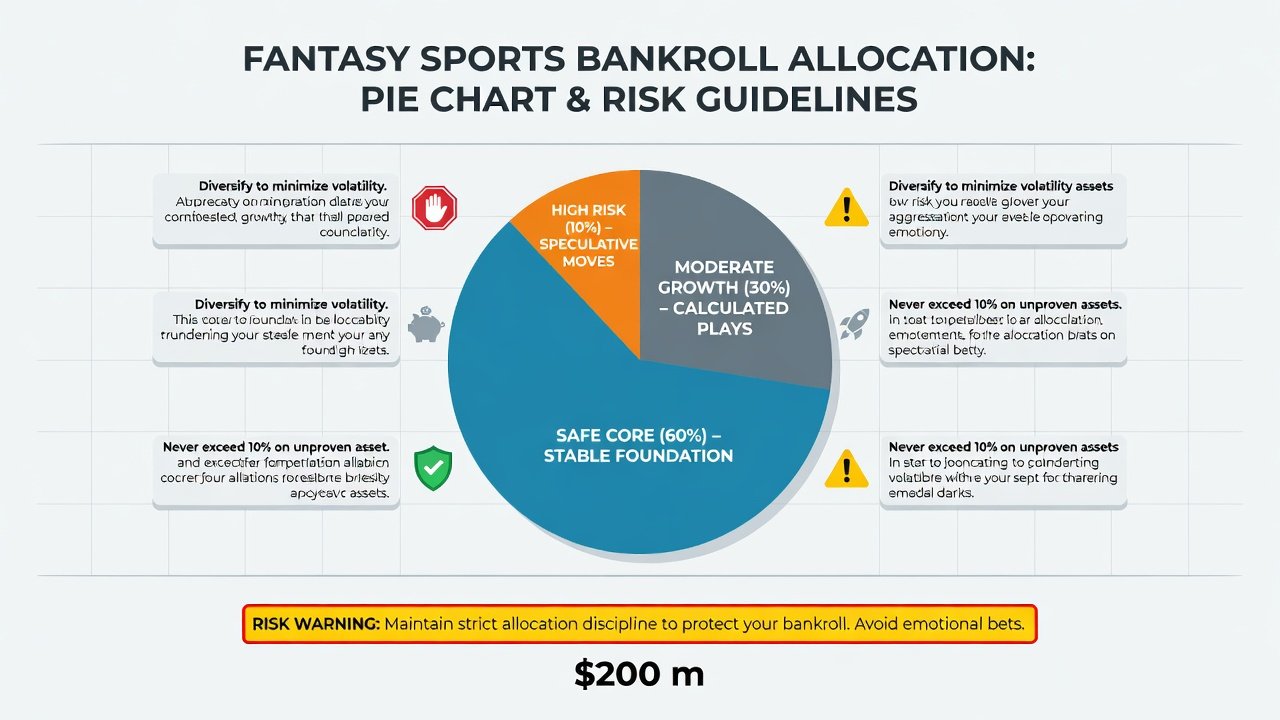
Bankroll management serves as the cornerstone of safe fantasy sports participation. Begin by determining a fixed entertainment budget drawn exclusively from disposable income, never from essential funds. A widely recommended approach involves capping weekly fantasy spending at no more than five percent of your monthly entertainment allocation, allowing for adjustments based on personal circumstances.
Consider these concrete steps for implementation:
- Establish separate accounts or digital wallets solely for fantasy deposits to create natural barriers against overspending
- Utilize platform tools to set automated daily, weekly, and monthly limits, reviewing them at the start of each month
- Maintain a simple spreadsheet or journal logging every entry fee, contest type, and outcome to identify spending trends early
- Schedule quarterly reviews where you evaluate whether current limits still align with overall financial goals and reduce them if patterns suggest increasing risk
Real-world application might involve a user allocating $200 monthly for all fantasy activities in 2026, dividing it into smaller daily contest portions to prevent rapid depletion. This methodical allocation reduces the likelihood of emotional decisions during losing streaks.
Recognizing Early Signs of Problem Gambling
Identifying addiction indicators at the earliest stage allows for timely intervention. Key symptoms include spending disproportionate amounts of time researching lineups at the expense of work or family time, experiencing irritability or anxiety when unable to access contests, and repeatedly increasing entry sizes in attempts to recover prior losses.
Additional red flags encompass disrupted sleep from late-night stat checking, minimizing or concealing participation from loved ones, and feeling a compulsive need to join every available contest regardless of interest level. Tracking these behaviors through weekly self-assessments or shared accountability with a trusted friend provides objective perspective. When multiple signs appear together, taking a deliberate break of at least two weeks often helps restore balance before issues escalate.
Support resources remain widely available, including guidance from the World Health Organization on behavioral health concerns and localized assistance through SAMHSA for those seeking professional advice.
Platform Features That Promote Safety in 2026
Selecting the right fantasy platform significantly influences responsible gambling outcomes. Prioritize services offering robust built-in protections such as customizable deposit caps, reality-check pop-ups after set play durations, and straightforward self-exclusion periods ranging from days to permanent bans. Advanced dashboards that visualize total spending, win rates, and time invested empower users to make informed adjustments.
When comparing options, examine customer support availability for responsible gambling queries, integration capabilities with external budgeting applications, and transparency in publishing payout percentages. Platforms incorporating AI alerts for unusual activity patterns provide an extra layer of protection by notifying users before problems intensify.
2026 Trends: App Integrations for Risk Tracking
Technological advancements are enhancing player safety through seamless app integrations. Many leading platforms now connect with personal finance tools and even health wearables to monitor indicators like elevated heart rate during high-stakes contests. These connections enable proactive notifications when users approach predefined thresholds or exhibit signs of extended play sessions.
Expect expanded adoption of community accountability features where users can opt into group challenges focused on maintaining limits. Biometric feedback loops and voluntary spending pauses tied to stress detection represent emerging standards that help normalize responsible habits across the industry.
Real-User Scenarios and Lessons Learned
One participant joined multiple overlapping daily fantasy hockey contests following an initial winning streak. Within three weeks, weekly spending tripled while work productivity declined noticeably. After implementing strict weekly caps and activating a 30-day self-exclusion period on the primary platform, the user regained financial stability and reported renewed enjoyment upon returning at reduced volume.
Another scenario involved a season-long football league member who began obsessively adjusting lineups hourly. This behavior led to sleep issues and strained relationships. By restricting lineup reviews to once daily and joining a peer support group focused on balanced participation, the individual restored healthy boundaries and maintained league involvement without negative consequences.
A third example highlights a beginner who ignored early warning signs of chasing losses across multiple sports. Through consistent journaling and monthly budget audits, this user identified the pattern, reduced entries by half, and avoided escalation into more serious difficulties.
Frequently Asked Questions
How can I spot early addiction signs in fantasy sports?
Watch for increased time dedicated to research that displaces other activities, emotional volatility tied to outcomes, and progressive increases in entry fees despite losses. Maintaining a simple activity log helps surface these patterns before they become entrenched.
What are the best ways to integrate safe habits?
Develop a written budget at the start of each season, activate every available platform safeguard, and build regular breaks into your routine. Connecting with responsible gambling communities offers ongoing motivation and practical tips from others navigating similar challenges.
Are there differences in risk between season-long and daily formats?
Daily formats typically involve faster cycles and higher contest volume, which can accelerate risk exposure. Season-long leagues demand sustained attention yet often permit more deliberate pacing when managed thoughtfully.
How do 2026 app features specifically help with monitoring?
Integrated tools provide real-time spending visuals, automated reminders, and optional biometric correlations that flag potential issues early, allowing users to intervene before habits become problematic.
Conclusion
Fantasy sports betting offers substantial entertainment value when approached with structured boundaries and ongoing self-awareness. By recognizing its unique risks, applying disciplined bankroll strategies, monitoring personal behaviors closely, and utilizing emerging 2026 safety integrations, participants can sustain long-term enjoyment while protecting their financial and emotional well-being. Responsible gambling remains an active, consistent practice that delivers the greatest rewards through honest self-assessment and proactive adjustments.


No comments yet. Be the first!