 GambleLore
Introduction to Music Therapy in Responsible Gambling
As betting platforms evolve in 2026, many players seek holistic methods to maintain control. Music therapy emerges as an innovative approach that leverages sound to influence brain chemistry, helping reduce the stress and impulsive urges often tied to gambling. This strategy complements traditional responsible gambling tools by addressing emotional triggers at their root. Readers interested in wellness beyond standard self-exclusion or limit-setting features will find this method particularly appealing for its accessibility and non-invasive nature.
Research shows that targeted listening can modulate the brain's reward systems, offering a non-invasive way to promote safer habits during sessions. By integrating music thoughtfully, bettors can create an environment that supports mindfulness and reduces the emotional highs and lows associated with wins and losses.
The Science Linking Music to Brain Reward Systems
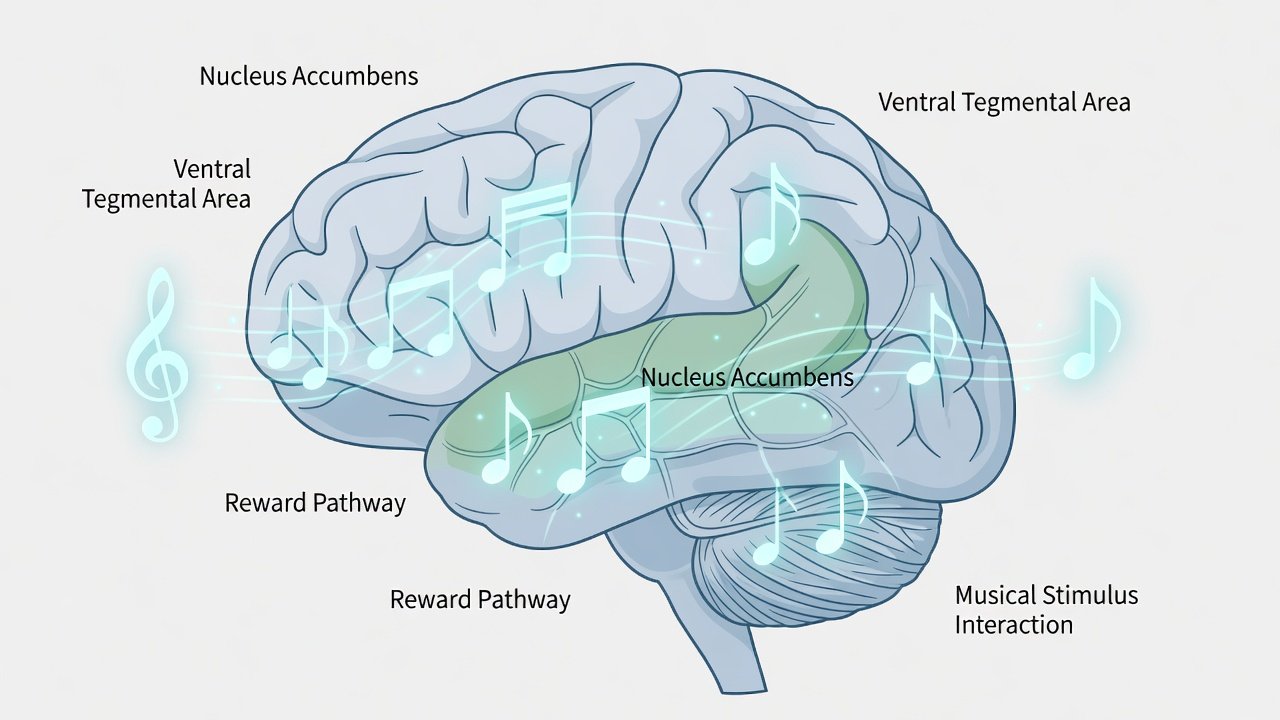
Music directly affects dopamine pathways, the same systems activated during gambling wins. Studies indicate that calming tracks lower cortisol levels while rhythmic beats can stabilize mood without triggering high-risk excitement. According to the World Health Organization, integrating music into mental health strategies strengthens emotional regulation, which is crucial for those managing betting behaviors.
Neuroimaging reveals that specific frequencies engage the prefrontal cortex, enhancing decision-making and impulse control. This makes music therapy particularly effective for holistic prevention of gambling-related harm. Additional findings from health authorities highlight how music can interrupt the cycle of anticipation and reward that fuels problematic betting patterns. For instance, slow-tempo selections activate the parasympathetic nervous system, promoting a state of calm that counters the adrenaline rush of live betting events. Over time, consistent exposure helps rewire habitual responses, making it easier to pause and reassess before placing another wager.
Practical Listening Routines During Betting Sessions
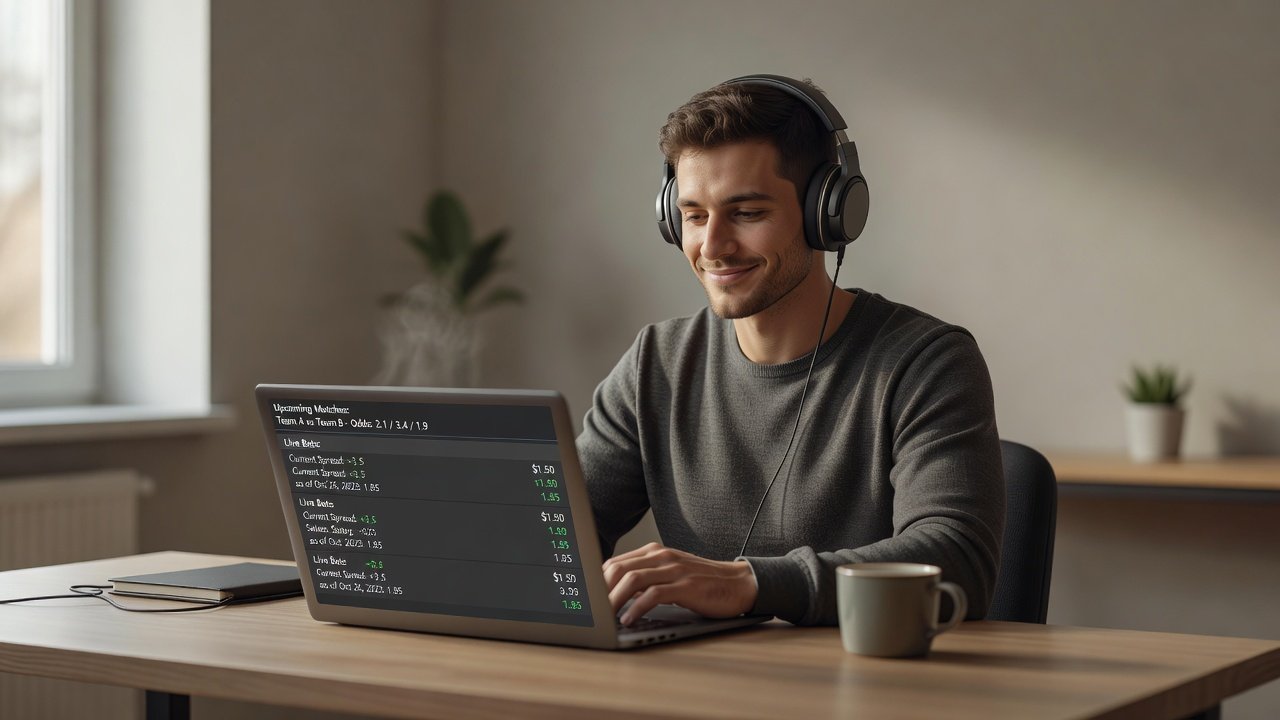
Integrating music into your routine starts with preparation. Begin each session with 10 minutes of neutral tracks to set a calm baseline. During active betting, use low-volume instrumental playlists to maintain focus without distraction. Post-session reflection with soothing melodies aids in objective review of decisions made.
- Pre-session: 5-10 minutes of ambient sounds to ground emotions and reduce anticipatory anxiety.
- Mid-session: Switch to steady-tempo tracks if tension rises, ensuring volume stays below conversational levels.
- Post-session: Reflective pieces to review decisions objectively and reinforce positive habits.
- Break reminders: Pair every 20-minute interval with a genre shift to encourage hydration and mental resets.
Apps with customizable timers help enforce breaks paired with music shifts, reinforcing healthy boundaries. Real users report success when combining these routines with pre-set deposit limits, noting fewer impulsive deposits after just a few weeks of practice.
Comparing Music Genres: Classical vs Upbeat Tracks
Classical music, with its complex harmonies, excels at promoting deep relaxation and reducing anxiety spikes common in high-stakes moments. In contrast, upbeat tracks like light jazz or lo-fi can sustain energy without overstimulating the reward centers. Tests in recovery settings show classical selections decrease heart rate variability linked to impulsive bets, while upbeat options suit longer, controlled sessions.
Choose based on your personal triggers—classical for high-stress avoidance, upbeat for steady engagement. Other genres worth exploring include ambient electronic for background focus and acoustic folk for emotional grounding. Avoid lyrics-heavy pop or high-energy EDM during active betting, as these can inadvertently heighten arousal and lead to riskier choices. Experimentation over multiple sessions helps identify the most effective combinations for individual temperaments.
Real-World Examples from Recovery Programs
Several addiction support networks have piloted music therapy modules. Participants report improved self-awareness after incorporating daily listening, leading to fewer impulsive decisions. One program combined guided sessions with betting education, resulting in sustained habit changes over months. Another community initiative paired music playlists with peer support groups, where members shared custom mixes tailored to common triggers like sports betting events.
These examples highlight music's role alongside counseling, creating accessible entry points for those exploring wellness beyond standard methods. In one documented case, a participant reduced average session length by nearly half after adopting evening classical routines, attributing the change to better emotional regulation.
Step-by-Step Integration Guide for Safe Betting
- Assess your current habits and identify stress points during betting by keeping a simple log for three days.
- Curate a personal playlist with 3-5 genres tested for calm effects, focusing on instrumental selections first.
- Schedule music breaks every 20 minutes to reset focus and prevent emotional escalation.
- Track mood and betting patterns in a simple journal for two weeks, noting any correlations with specific tracks.
- Adjust based on results, perhaps consulting a therapist for personalization if deeper issues surface.
- Combine with other tools such as reality checks or time limits for compounded benefits.
This methodical approach turns music into a reliable safeguard that evolves with your needs.
Overcoming Common Challenges in Music Therapy Adoption
Some bettors initially struggle with consistency or selecting the right playlists. Start small by dedicating just one session per week to testing, then scale up. Distractions from lyrics can be mitigated by choosing purely instrumental options available on major streaming services. If motivation wanes, joining online communities focused on responsible gambling provides accountability and shared playlist recommendations.
Measurable Benefits and Long-Term Outcomes
Users often experience clearer thinking, shorter betting sessions, and improved sleep quality after consistent use. Over three months, many report stronger impulse control that extends beyond betting into daily stress management. The National Institutes of Health supports music-based interventions for broader mental wellness, underscoring their potential in preventive contexts like responsible gambling.
Frequently Asked Questions
How accessible is music therapy for beginners?
Free streaming platforms offer extensive libraries, making it easy to start without cost barriers. Simple headphones suffice for initial experiments, and no prior musical training is required.
What measurable benefits can users expect?
Many notice reduced session times and clearer decision-making within the first month, alongside lower stress indicators measurable through personal mood tracking.
Can music therapy replace professional help?
It serves best as a complementary tool rather than a standalone solution. Those with severe addiction concerns should consult licensed counselors alongside any wellness practices.
Are there specific playlists recommended for sports betting?
Calm classical or ambient selections work well during live events to counter fast-paced excitement, while avoiding anything with strong beats that might mimic game intensity.
Conclusion
Music therapy offers a promising layer of support for managing gambling risks in 2026. By understanding its neurological impact and applying structured routines, bettors can foster safer, more mindful habits that align with holistic wellness goals. Consistent application turns this accessible practice into a valuable component of responsible betting strategies.
No comments yet. Be the first!