 GambleLore
Understanding the Connection Between Mental Health and Gambling
The relationship between mental health conditions and gambling behaviors is bidirectional, meaning each can influence and exacerbate the other. Stress, anxiety, and depression frequently increase vulnerability to problematic gambling, while uncontrolled gambling often deepens emotional distress and financial instability. In 2026, ongoing studies underscore how addressing mental wellness directly supports responsible gambling outcomes and long-term recovery success.
Many people experiencing elevated stress turn to gambling for temporary relief or excitement, only to find that losses compound their original worries. This creates a reinforcing cycle where emotional discomfort drives more frequent betting, and betting outcomes further erode mental stability. Proactive strategies that target both areas simultaneously offer the most effective path forward for reducing addiction risks.
How Stress, Anxiety, and Depression Amplify Gambling Risks
Chronic stress triggers the brain's reward pathways in patterns that mirror the thrill of gambling wins, making impulsive betting more appealing during difficult periods. Anxiety disorders can push individuals toward risk-taking behaviors as a misguided coping tool, while depressive states often lower motivation for maintaining self-control or seeking help early. These mental health factors do not exist in isolation; they interact with environmental triggers such as work pressure, relationship strain, or social isolation.
Real-life scenarios illustrate the pattern clearly. A person facing job uncertainty may begin placing small bets to distract from worry, gradually increasing stakes as anxiety builds. Without intervention, this escalates into larger financial losses that intensify feelings of hopelessness and shame.
Identifying Co-occurring Symptoms Early
Recognizing overlapping symptoms allows for timely action before gambling behaviors become entrenched. Common indicators include persistent irritability after losses, disrupted sleep patterns tied to betting thoughts, social withdrawal from friends and family, and an increasing preoccupation with gambling outcomes even during non-betting hours. Physical signs such as tension headaches or appetite changes may also appear alongside emotional fluctuations.
Keeping a simple daily journal of mood, sleep quality, and any gambling urges helps reveal patterns. When symptoms cluster together, consulting a professional becomes especially important to break the cycle before it intensifies.
Evidence-Based Therapies: The Role of CBT in Recovery
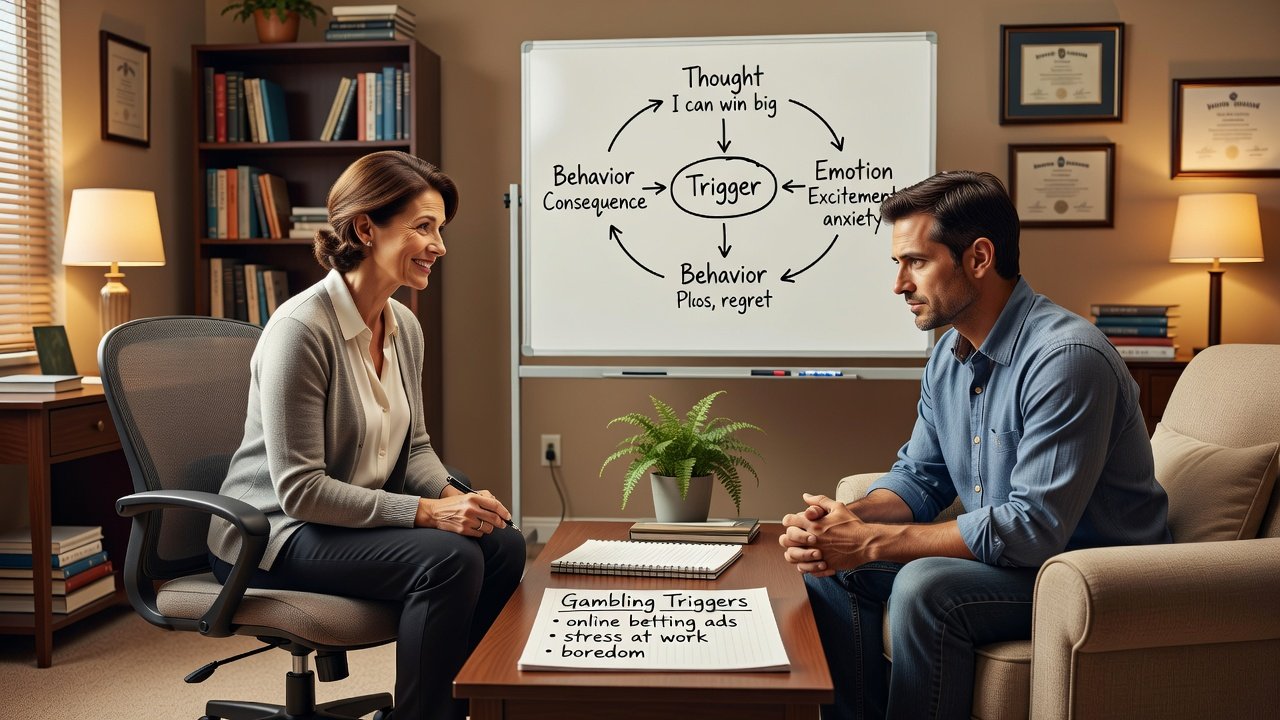
Cognitive Behavioral Therapy continues to stand out as a leading evidence-based approach for treating both mental health challenges and gambling-related issues. CBT works by helping individuals identify and challenge distorted thinking patterns, such as believing they can control random outcomes or that a win is due after a series of losses. Therapists guide clients through practical exercises that replace these thoughts with balanced perspectives and healthier coping mechanisms.
Typical CBT sessions involve tracking triggers, developing alternative responses to urges, and practicing problem-solving skills. Many programs combine CBT with mindfulness elements to strengthen emotional regulation. Progress often becomes noticeable within eight to twelve sessions when individuals actively apply the techniques between appointments.
Learn more about gambling disorder from the National Institute of Mental Health.
Integrating Daily Mindfulness with Responsible Betting Limits
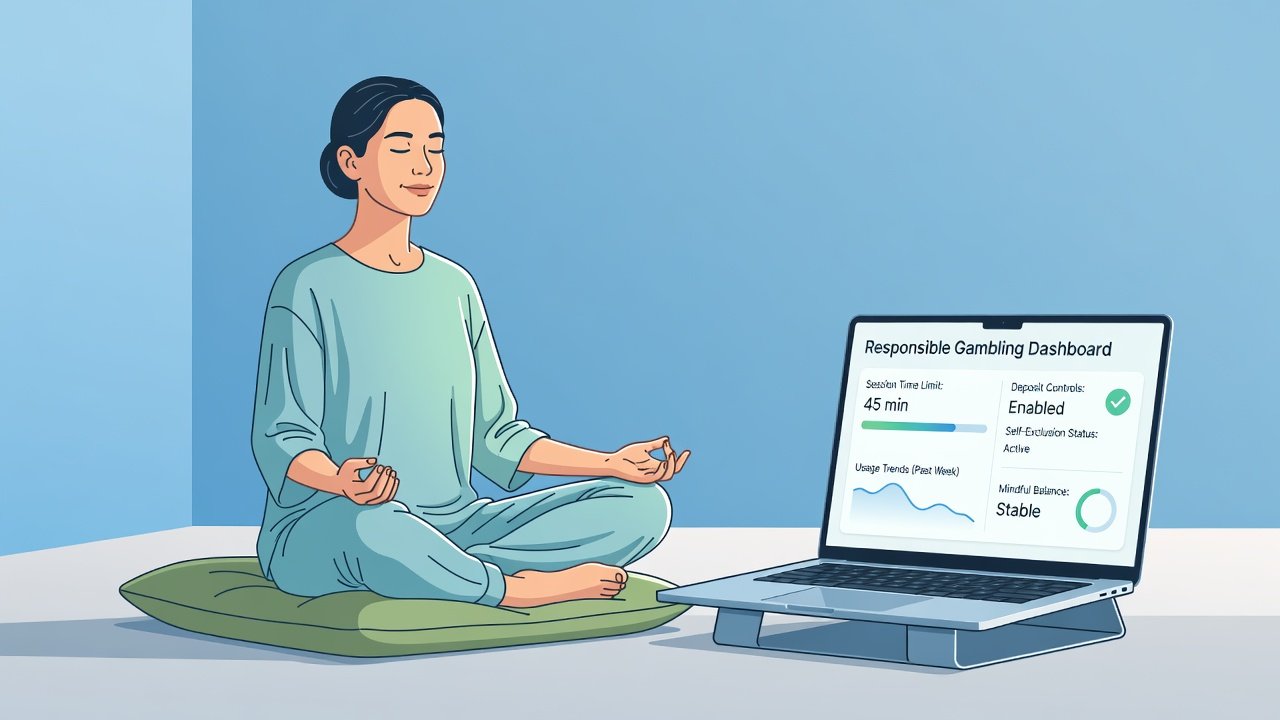
Mindfulness practices build present-moment awareness that interrupts automatic betting impulses driven by stress or low mood. Simple daily routines such as ten minutes of focused breathing, body scans, or guided meditation apps create space between emotional triggers and decisions. Pairing these habits with firm betting limits produces a robust protective system.
Effective implementation includes setting a maximum daily or weekly loss amount before any session begins, using account tools to enforce those limits automatically, and scheduling mandatory breaks after emotional events. Reviewing these rules each morning alongside a brief mindfulness exercise reinforces commitment and reduces reactive betting.
Real-World Recovery Journeys and Practical Examples
One 34-year-old marketing executive began gambling during intense project deadlines as a way to unwind. After recognizing rising anxiety and sleep issues, he started CBT sessions focused on trigger identification and adopted a strict weekly budget enforced through his betting account. Within six months, his emotional regulation improved noticeably, and he maintained occasional recreational betting without negative financial or mental health impacts.
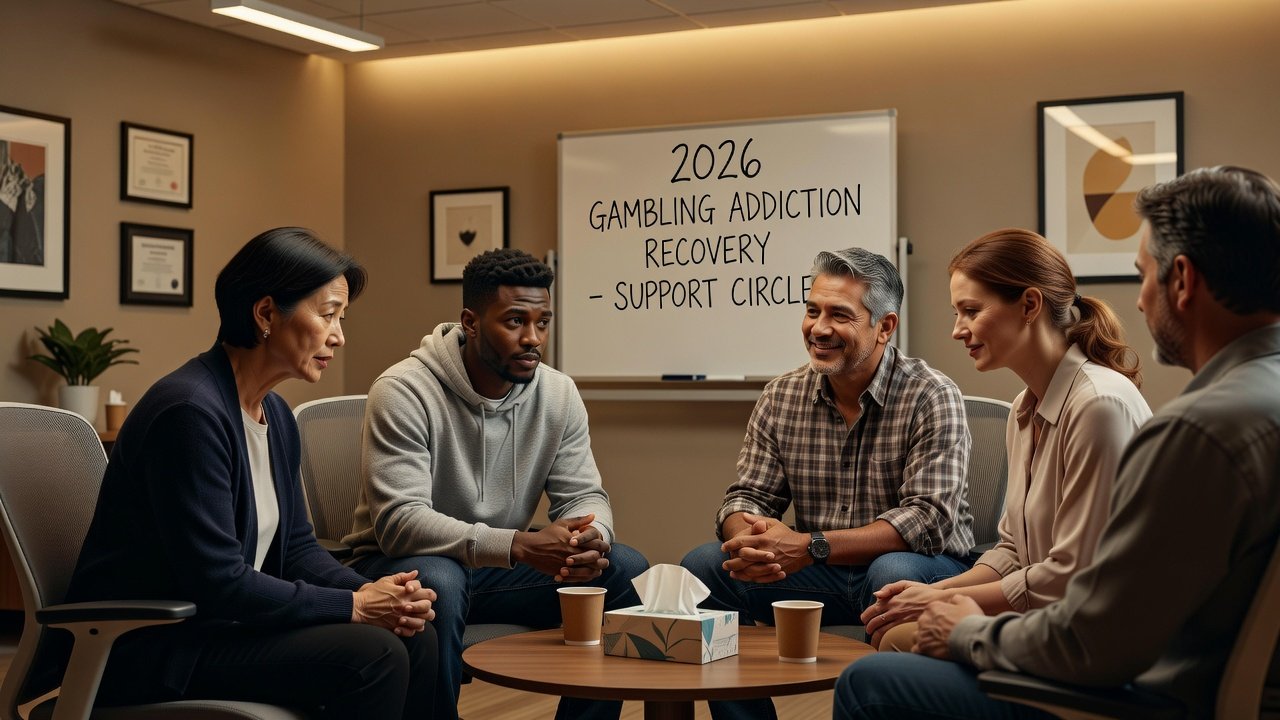
A second example involves a 29-year-old teacher recovering from depression who joined a peer support group while using mindfulness apps and loss-limit features. She replaced evening betting sessions with walking routines and tracked her mood daily. Over nine months, she reported fewer depressive episodes and greater confidence in managing finances.
A third individual, a 41-year-old small business owner, combined professional therapy with family accountability check-ins. He created a written list of personal values and reviewed it before any betting activity. This approach helped him avoid high-risk bets during stressful business periods and rebuild trust with loved ones affected by earlier gambling episodes.
Checklist for Building Mental Resilience
- Monitor daily stress levels and record any gambling urges in a simple journal to spot emerging patterns quickly
- Practice ten minutes of mindfulness meditation each morning to strengthen emotional awareness before the day begins
- Set and enforce strict deposit and loss limits on every betting account using built-in tools or third-party blockers
- Schedule regular check-ins with a mental health professional or counselor to maintain accountability and adjust strategies
- Engage in non-gambling hobbies such as exercise, reading, or creative projects to fill time previously spent betting
- Review personal progress monthly by examining both emotional well-being and financial records to identify needed adjustments
Comparing Professional Support Options
Individual therapy offers personalized CBT sessions tailored to specific triggers and life circumstances. Group counseling provides peer accountability and shared experiences that reduce isolation. Online self-help programs deliver flexible access to worksheets and tracking tools for those with busy schedules or privacy concerns. Helplines supply immediate, confidential guidance during moments of crisis. Selecting the right mix depends on symptom severity, personal preferences, and local resource availability. Many people benefit from starting with one option and layering additional support as needed.
Explore global mental health resources from the World Health Organization.
Mistakes to Avoid When Addressing Mental Health and Gambling
Common pitfalls include delaying help until financial losses become severe, relying solely on willpower without structured tools, ignoring co-occurring symptoms such as anxiety or depression, and setting limits without enforcement mechanisms. Another frequent error is comparing personal progress to others instead of focusing on individual goals. Avoiding these missteps increases the likelihood of sustained success.
Conclusion
Addressing mental health proactively strengthens responsible gambling practices. By understanding bidirectional risks, applying evidence-based therapies such as CBT, integrating mindfulness with clear betting limits, and learning from real recovery examples, individuals can achieve both emotional stability and sustainable habits. Consistent effort in these areas supports long-term wellness in 2026 and beyond.
FAQs
How can I seek help without stigma?
Confidential helplines, telehealth platforms, and anonymous online assessments allow private access to support. Many professionals specialize in non-judgmental care that normalizes the process of seeking assistance for co-occurring mental health and gambling concerns.
What maintenance plans support long-term success?
Effective plans include ongoing therapy follow-ups every few months, daily mindfulness routines, monthly reviews of betting limits and emotional metrics, and participation in support communities. Adjusting strategies based on life changes prevents relapse and maintains balance.
Can mindfulness alone prevent gambling problems?
Mindfulness is a valuable component but works best when combined with concrete limits, professional guidance when needed, and regular self-monitoring. It enhances awareness but does not replace structured behavioral boundaries.
How do I know if my gambling is affecting my mental health?
Signs include increased anxiety around betting outcomes, using gambling to manage mood, financial stress leading to sleep issues, or noticing relationships strained by secrecy about gambling activity. Early self-assessment or professional screening provides clarity.

No comments yet. Be the first!