 GambleLore
Introduction to Group Therapy for Gambling Addiction
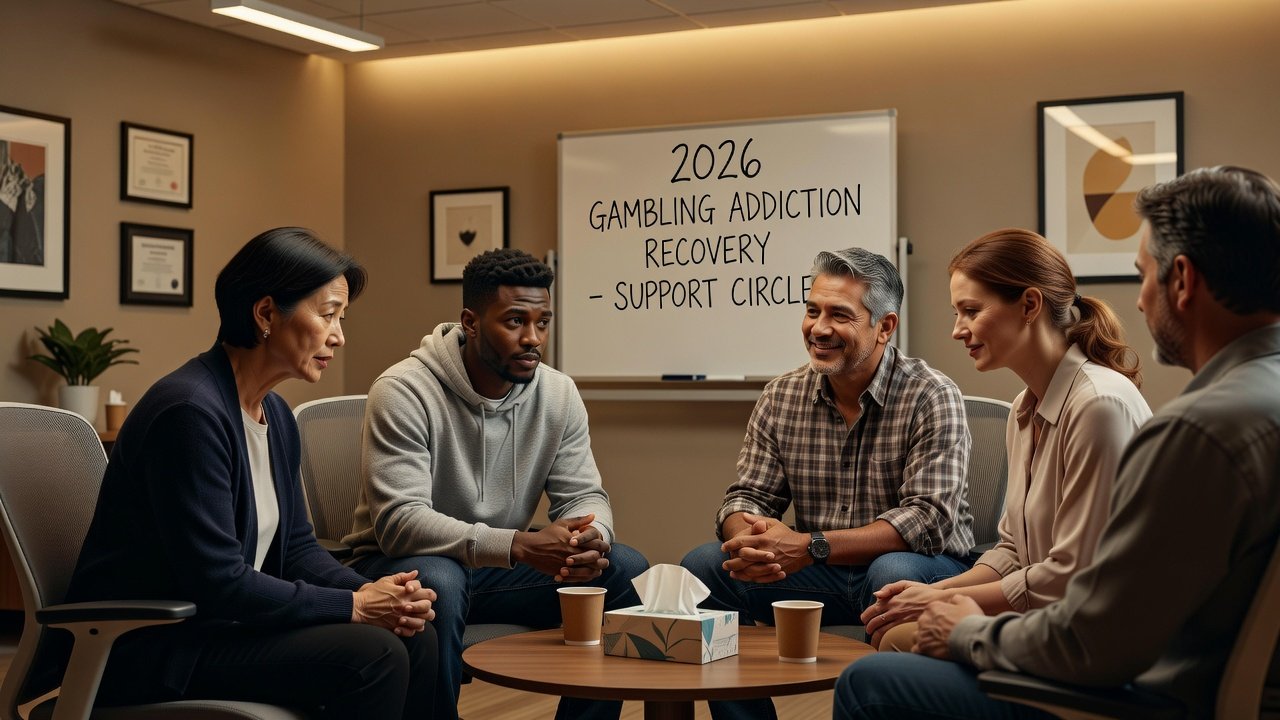
Gambling addiction continues to pose serious challenges in 2026, impacting mental health, personal finances, family dynamics, and overall well-being. Many people seeking recovery move beyond basic self-help apps or solitary reading and discover the power of group therapy. This structured, peer-supported format offers accountability, shared learning, and emotional validation that individual efforts often lack. Group therapy aligns closely with responsible gambling principles by teaching participants how to recognize high-risk situations, rebuild trust with loved ones, and develop sustainable coping mechanisms. Readers exploring community-based options will find concrete guidance on triggers, program successes, joining processes, and comparisons with one-on-one counseling throughout this article.
Unlike purely online forums, professionally facilitated groups create a confidential environment where members practice real-time problem-solving. This approach reduces the shame frequently associated with addiction and replaces it with collective momentum toward lasting change.
How Group Sessions Address Gambling Addiction Triggers
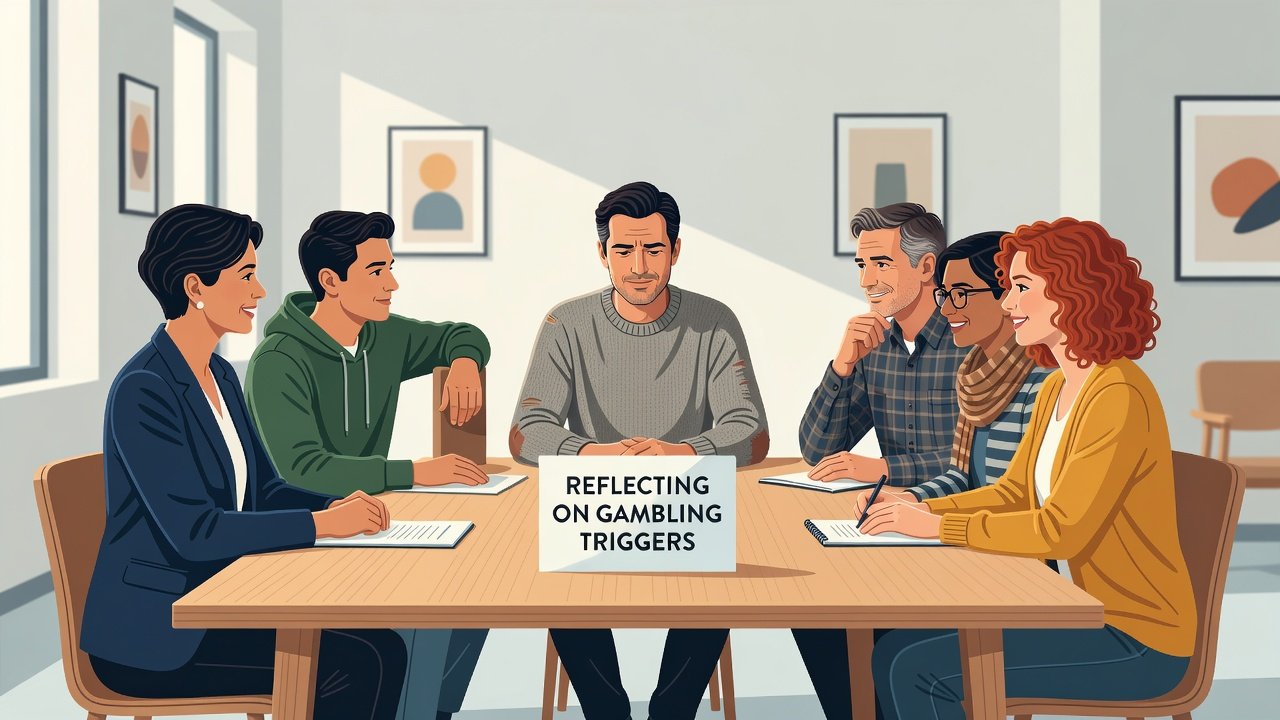
Common triggers include financial stress, boredom, relationship conflicts, and exposure to gambling advertisements or venues. In group therapy, participants first map their personal trigger profiles through guided worksheets and open discussion. Peers then offer alternative responses drawn from their own experiences, such as calling a sponsor instead of visiting a casino or substituting a walk for an online betting session. Facilitators introduce cognitive behavioral techniques, mindfulness exercises, and urge-surfing methods that help members ride out cravings without acting on them.
Role-playing exercises simulate high-pressure scenarios, allowing the group to rehearse refusal skills and evaluate outcomes together. Over multiple sessions, members notice patterns in one another’s stories and provide targeted feedback that accelerates insight. This collaborative process strengthens neural pathways associated with impulse control far more effectively than isolated reflection. Authoritative health organizations recognize the value of such peer reinforcement in behavioral addiction treatment.
World Health Organization resources on mental health underscore the importance of community interventions for addressing gambling-related harms. Additional insights appear in clinical literature from major research institutions that highlight reduced relapse rates among those who maintain consistent group attendance.
Real-World Success Examples from 2026 Programs
Throughout 2026, several well-documented programs demonstrate the impact of group therapy. An urban initiative in major metropolitan areas combined weekly in-person meetings with a secure mobile app for daily check-ins and trigger logging. Participants reported sustained recovery periods averaging over six months, with many citing the weekly group review of progress charts as the decisive factor in avoiding relapse. In rural regions, hybrid virtual groups eliminated geographic barriers and enabled consistent participation even during inclement weather or work travel.
Another successful model integrated responsible gambling education directly into sessions, teaching members how to set strict time and money limits before any recreational play. Graduates of these programs frequently formed alumni networks that continued meeting informally, extending support beyond formal therapy. These examples illustrate how structured group formats foster both immediate coping skills and long-term social connections essential for preventing return to problematic gambling.
Group Therapy vs Individual Counseling: Key Comparisons
Individual counseling delivers highly personalized attention and deeper exploration of underlying trauma or co-occurring disorders. However, it can leave clients without the normalizing experience of hearing others describe identical struggles. Group therapy supplies immediate peer validation, diverse perspectives, and built-in accountability partners that individual sessions rarely replicate. Many participants find that witnessing peers overcome similar obstacles boosts motivation and hope more powerfully than therapist encouragement alone.
Research consistently shows groups excel at addressing social and environmental triggers that surface during everyday interactions. A blended model—starting with several individual sessions for stabilization before transitioning into group work—often produces the strongest outcomes. Those concerned about privacy can begin with individual counseling and later join a group once trust in the process is established. Both modalities remain valuable tools; the optimal choice depends on personal comfort, severity of addiction, and availability of local resources.
Step-by-Step Guide to Joining or Starting a Group
- Identify reputable programs through healthcare providers, state helplines, or established recovery organizations. Verify that facilitators hold appropriate clinical licenses and training in addiction treatment.
- Contact the group coordinator for an intake conversation that explains expectations, confidentiality rules, and meeting formats. Ask about group size, session length, and whether the program follows a specific evidence-based curriculum.
- Attend an initial session as an observer if permitted, then commit to at least eight consecutive weeks to experience the cumulative benefits of peer support.
- Prepare for meetings by journaling recent triggers and wins so you can contribute meaningfully and receive targeted feedback.
- To launch a new group, recruit a licensed facilitator, secure a consistent meeting space, and promote through community centers, libraries, and primary care clinics while maintaining strict adherence to privacy standards.
Digital platforms now supplement in-person meetings, offering secure video options for those with mobility or scheduling constraints. Regular attendance combined with between-session homework dramatically increases success rates.
Integrating Therapy with Safe Betting Habits
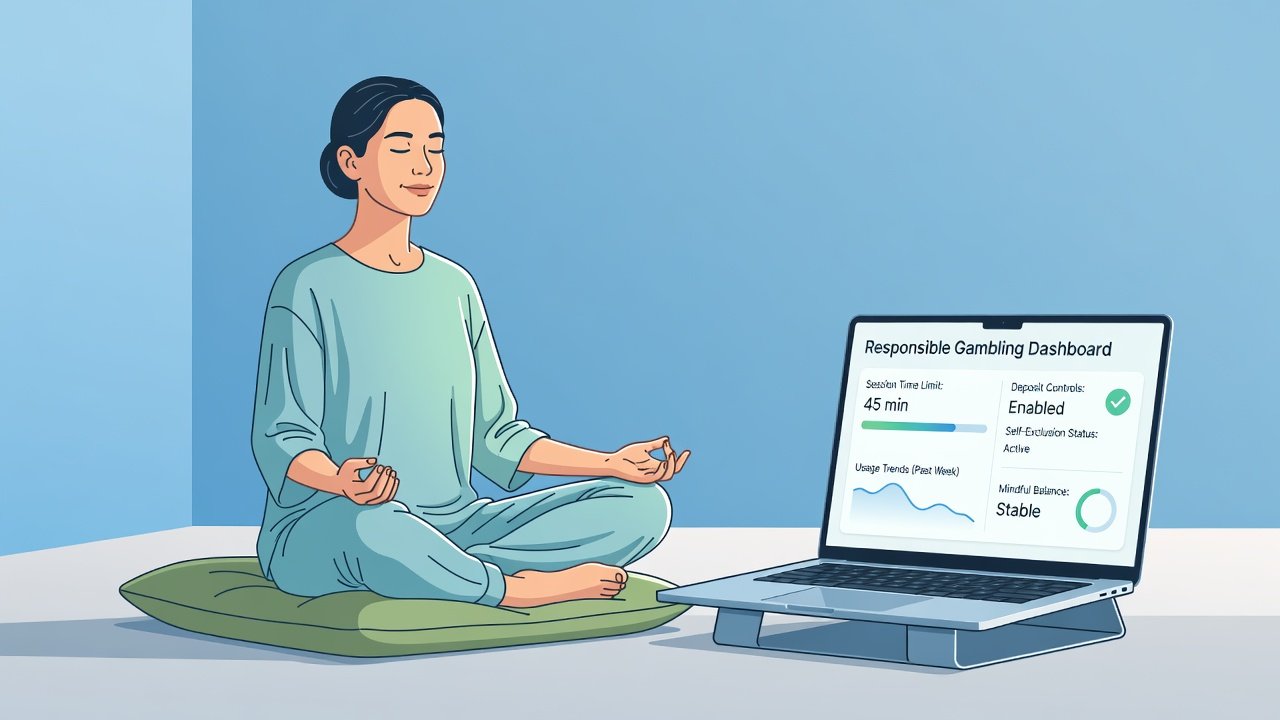
Group therapy naturally complements responsible gambling education. Members learn to pre-commit to strict budgets, use time-limiting apps, and schedule non-gambling recreational activities that fulfill the same need for excitement or social connection. Practical tips shared in sessions include reviewing monthly spending statements during group check-ins, creating accountability contracts with trusted peers, and practicing mindfulness before any betting decision. These habits reduce overall risk while allowing limited, controlled participation for those who choose to continue recreational play under strict guardrails.
Common Mistakes to Avoid During Recovery
- Skipping sessions when feeling strong, which often precedes relapse.
- Comparing personal progress to others instead of focusing on individual milestones.
- Neglecting to update trigger lists as life circumstances change.
- Returning to old gambling environments without a detailed safety plan developed in group.
Frequently Asked Questions
What are the costs associated with group therapy?
Many programs use sliding-scale fees or insurance reimbursement, making participation more accessible than repeated private sessions. Readers should contact local providers directly for current availability and coverage details as of late 2026.
How effective is group therapy for gambling addiction?
Peer-supported formats frequently improve retention and long-term abstinence compared with self-directed methods alone, especially when combined with responsible gambling strategies.
Can I combine group therapy with other treatments?
Yes, integrating group work with individual counseling, family therapy, or medication-assisted support when clinically indicated often yields the most robust recovery outcomes.
Conclusion
Group therapy emerges in 2026 as a highly effective, community-centered pathway for overcoming gambling addiction. By systematically addressing triggers, learning from documented program successes, following clear joining steps, and blending therapy with safe betting practices, individuals build resilient recovery networks. Those ready to explore this option should reach out to local resources and take the first step toward sustained well-being and responsible habits.

No comments yet. Be the first!