 GambleLore

Introduction: The Emerging Connection Between Nutrition and Gambling Habits
In 2026, researchers and players alike are recognizing that what we eat directly affects decision-making, impulse control, and overall mental resilience during betting activities. Nutrition plays a vital supporting role in responsible gambling by stabilizing blood sugar, supporting neurotransmitter balance, and reducing the emotional volatility that can lead to risky wagers. This comprehensive guide explores the science behind these connections, offers detailed meal strategies, shares real-world success stories, and equips readers with actionable tools including a full seven-day tracker. By understanding how specific nutrients influence brain function, individuals can make informed choices that complement traditional responsible gambling practices such as limit setting and time management.
Scientific Links Between Diet, Brain Health, and Gambling Behaviors
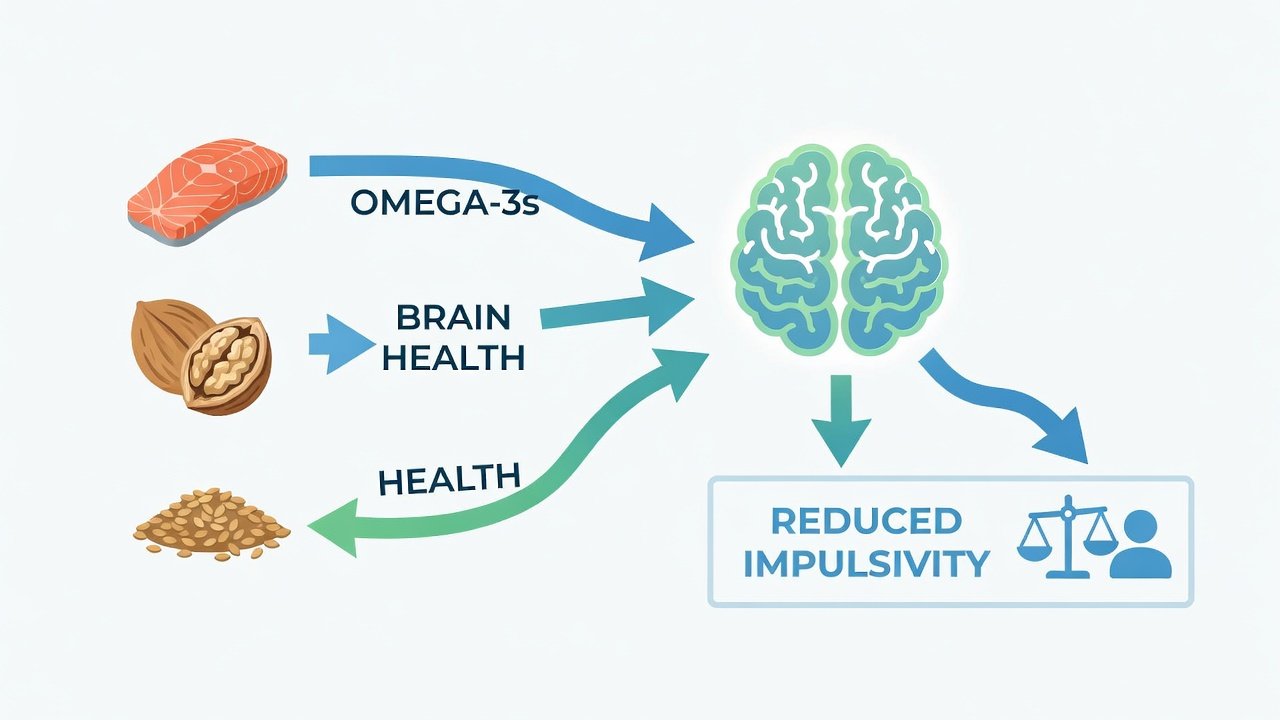
Brain regions involved in reward processing and impulse regulation, such as the prefrontal cortex and dopamine pathways, are highly sensitive to nutritional status. Deficiencies in omega-3 fatty acids, B vitamins, and magnesium have been associated with higher impulsivity in multiple peer-reviewed studies. Maintaining steady glucose levels through balanced meals helps prevent the spikes and crashes that may trigger chasing losses or escalating bets. Research from major health institutions demonstrates that chronic poor diet can impair executive function, making it harder to stick to pre-set budgets or walk away from unfavorable odds. National Institutes of Health research continues to highlight these connections between metabolic health and behavioral regulation. Additionally, inflammation from processed foods may exacerbate stress responses, leading to poorer emotional regulation during winning or losing streaks. Understanding these mechanisms empowers players to view nutrition as a foundational element of a holistic approach to safe gambling.
Foods That Stabilize Mood and Reduce Impulsivity
Certain nutrients support serotonin and dopamine balance without overstimulation. Prioritize fatty fish such as salmon and mackerel, walnuts, and flaxseeds for omega-3s that promote brain cell membrane health. Leafy greens like spinach and kale, along with eggs, provide folate and B12 essential for neurotransmitter synthesis. Avocados, almonds, and pumpkin seeds deliver magnesium that calms the nervous system. These choices help maintain calm focus during betting sessions. Complex carbohydrates from oats, sweet potatoes, and brown rice provide sustained energy, avoiding the sharp mood swings linked to refined sugars. Incorporating fermented foods such as yogurt or kimchi can further support gut-brain axis communication, which emerging studies link to better mood stability. Aim for colorful plates filled with berries rich in antioxidants to combat oxidative stress that may otherwise heighten anxiety around gambling outcomes.
Impact of Sugar and Caffeine on Betting Decisions
High-sugar snacks and excessive caffeine can amplify emotional highs and lows, increasing the likelihood of impulsive bets. A 2026 perspective shows that limiting added sugars to under 25 grams daily supports steadier decision-making. Moderate caffeine intake under 200 mg per session, paired with protein-rich foods, prevents jitters that may cloud judgment. Sugary energy drinks often create a false sense of alertness followed by crashes that coincide with poor risk assessment. Tracking personal responses to these substances reveals patterns; many players find replacing soda with herbal tea or water infused with lemon leads to more consistent betting discipline. Understanding individual tolerance levels allows for personalized adjustments that enhance overall control.
Evidence-Based Meal Plans for Safe Betting Routines
Structure meals around protein, healthy fats, and fiber at regular intervals. A sample pre-betting meal might include grilled salmon, quinoa, and steamed broccoli with olive oil. Post-session recovery could feature Greek yogurt topped with berries and almonds for quick replenishment of nutrients. Breakfast options include overnight oats with chia seeds and banana, while lunches might center on lentil salads with mixed vegetables and feta cheese. Evening wind-down meals emphasize lighter proteins like turkey or tofu paired with leafy greens to promote restful sleep, which itself supports better impulse control the next day. These patterns sustain cognitive clarity throughout extended sessions and help prevent the fatigue that often leads to chasing behavior.
7-Day Nutrition Tracker Template for Responsible Gamblers
Use this simple daily tracker to log meals, hydration, and note energy or mood levels before and after betting activities. Consistency in logging helps identify triggers early:
- Day 1: Breakfast – Oatmeal with walnuts and berries; Lunch – Grilled turkey salad with avocado; Dinner – Baked salmon with quinoa and broccoli. Hydration: 8 glasses. Mood rating before betting: 8/10. Mood after: 7/10.
- Day 2: Breakfast – Scrambled eggs with spinach; Lunch – Lentil soup and whole-grain bread; Dinner – Chicken stir-fry with brown rice and vegetables. Hydration: 7 glasses. Mood rating: 9/10 before, 8/10 after.
- Day 3: Breakfast – Greek yogurt parfait; Lunch – Tuna wrap with greens; Dinner – Tofu bowl with sweet potato. Hydration: 9 glasses. Mood: 7/10 before, 6/10 after noting sugar intake.
- Day 4: Breakfast – Smoothie with flaxseeds; Lunch – Quinoa salad; Dinner – Baked cod and asparagus. Hydration: 8 glasses. Mood: 8/10 both periods.
- Day 5: Breakfast – Avocado toast with eggs; Lunch – Bean chili; Dinner – Grilled shrimp with salad. Hydration: 7 glasses. Mood: 9/10 before, 9/10 after.
- Day 6: Breakfast – Oat pancakes; Lunch – Turkey and vegetable soup; Dinner – Veggie omelet with nuts. Hydration: 8 glasses. Mood: 8/10 before, 7/10 after.
- Day 7: Breakfast – Chia pudding; Lunch – Salmon salad; Dinner – Lean beef stir-fry with greens. Hydration: 9 glasses. Mood: 9/10 before, 8/10 after. Weekly review helps refine choices.
Real-World Examples of Players Improving Habits Through Diet
One frequent online poker player reported replacing afternoon energy drinks with balanced smoothies containing spinach, banana, and protein powder. Within three weeks, session length became more controlled and post-loss frustration decreased noticeably, allowing better adherence to bankroll management. Another sports bettor added daily omega-3 supplements and magnesium-rich snacks such as almonds during games, leading to improved sleep quality and fewer impulsive live bets. A third example involves a casino visitor who shifted from high-sugar breakfast pastries to protein-focused meals; this change correlated with reduced emotional swings and more consistent use of self-imposed time limits. These cases illustrate how small, sustained dietary shifts create compounding benefits when combined with responsible gambling strategies.
Comparisons of Common Diets for Gambling Support
The Mediterranean diet excels due to its emphasis on whole foods, anti-inflammatory fats, and steady energy sources that align well with prolonged focus periods. In contrast, very low-carb ketogenic approaches may initially cause irritability or brain fog for some users during the adaptation phase, potentially affecting quick calculations at the tables. A balanced omnivore plan with consistent meal timing often outperforms intermittent fasting for individuals who bet in the evenings, as steady energy prevents decision fatigue. Plant-based diets rich in legumes and nuts can be highly effective if they include sufficient B12 sources, while paleo-style eating provides natural protein but requires careful monitoring of fruit sugar intake. Mayo Clinic nutrition guidelines support flexible, evidence-based patterns over extreme restrictions for long-term adherence and mental clarity.
Actionable Steps Readers Can Implement Immediately
- Start each betting day with a protein-rich breakfast containing eggs or Greek yogurt to anchor blood sugar.
- Keep healthy snacks such as mixed nuts or carrot sticks visible and accessible during sessions.
- Limit caffeine after 4 PM and always pair it with a protein source.
- Review your 7-day tracker weekly, noting correlations between meal timing and betting discipline.
- Incorporate a short walk after meals to further stabilize glucose levels and clear the mind.
- Prepare batch-cooked balanced meals on weekends to reduce reliance on convenience foods.
Combining Nutrition With Other Responsible Gambling Tools
Nutrition works best alongside deposit limits, time reminders, and self-exclusion options. Organizations such as World Health Organization emphasize holistic approaches that include lifestyle factors like sleep, exercise, and social support. Pairing dietary improvements with these tools creates multiple layers of protection, making it easier to maintain perspective and avoid escalation. Regular check-ins with a trusted accountability partner can further reinforce both nutritional and gambling boundaries.
FAQ
Can changing my diet really reduce gambling urges?
While nutrition supports brain function and emotional stability, it complements but does not replace professional help, therapy, or strict limit-setting tools when needed.
How quickly will I notice benefits from better eating?
Many people report steadier energy, improved mood, and better focus within 7–14 days of consistent balanced meals and reduced sugar intake.
Should I avoid all caffeine when gambling?
Moderate intake is usually fine if paired with food; excessive amounts may increase restlessness and impair judgment, so personal experimentation is recommended.
Is there a specific supplement recommended for gamblers?
Omega-3s and magnesium are commonly discussed for mood support, but consult a healthcare provider before starting any supplement regimen.
Does hydration play a role in responsible gambling?
Yes, dehydration can mimic or worsen fatigue and irritability; aiming for consistent water intake throughout the day supports clearer thinking.
How does sleep interact with nutrition for better outcomes?
Poor sleep amplifies the negative effects of suboptimal nutrition on impulse control, so prioritizing both creates a stronger foundation for disciplined betting.
Conclusion
Nutrition offers a practical, evidence-supported layer of support for responsible gambling in 2026. By focusing on mood-stabilizing foods, tracking intake with the provided template, and integrating dietary habits with proven tools, players can make clearer decisions and maintain healthier relationships with betting activities. Small daily choices accumulate into meaningful long-term advantages for both mental health and gambling safety.


No comments yet. Be the first!