 GambleLore

Introduction: Aligning Betting with Long-Term Financial Health
Responsible gambling in 2026 requires more than just setting limits on wagers. It demands integration with your overall personal finance strategy to protect against addiction risks and financial setbacks. By treating gambling as a controlled entertainment expense rather than a potential income source, individuals can enjoy the activity while safeguarding their future. This approach minimizes the chance of overspending and supports sustainable habits that last beyond any single betting session or winning streak.
Financial planning starts with recognizing that gambling should never interfere with essential needs like housing, food, or debt repayment. Experts emphasize building habits that prioritize stability, such as separating betting funds from everyday accounts. This creates a clear boundary that reduces emotional decision-making during wins or losses. In today's economic climate, where unexpected expenses can arise quickly, a structured financial plan acts as both a shield and a guide for anyone who enjoys betting responsibly.
Many people underestimate how quickly small wagers add up without proper tracking. A comprehensive plan addresses this by incorporating automated systems, regular audits, and contingency measures. The goal is not to eliminate fun but to ensure that gambling remains a minor, enjoyable part of life rather than a source of stress or regret.
Setting Strict Betting Budgets Within Personal Finance Plans
Creating a dedicated betting budget begins with a full review of your monthly income and expenses. Start by calculating your net income after taxes and essential bills. Allocate no more than 1-5% of disposable income to gambling activities, adjusting based on your overall financial goals and risk tolerance. Use automatic transfers from your main checking account to a separate betting account on payday to enforce discipline without relying on willpower alone.
Tracking tools like spreadsheets or apps designed for expense monitoring help maintain visibility. Many users find success with zero-based budgeting methods where every dollar is assigned a purpose, leaving no room for unplanned wagers. Popular options include simple Excel templates or dedicated finance apps that categorize transactions in real time. Review your budget weekly to catch any deviations early and make adjustments before they become problems.
Consider creating multiple sub-budgets within your entertainment category. For instance, separate funds for dining out, streaming services, and betting so that one area does not cannibalize another. This granular approach provides clearer accountability and helps identify spending patterns that might otherwise go unnoticed.
Building Emergency Funds Separate from Betting Accounts
An emergency fund acts as a critical safety net that prevents gamblers from dipping into betting money during unexpected events such as medical bills, car repairs, or job loss. Aim to save three to six months of living expenses in a high-yield savings account that is completely inaccessible for gambling purposes. This separation reduces temptation and ensures that losses do not cascade into broader financial distress or force you to chase winnings to cover essentials.
Automate contributions to this fund alongside your betting transfers. For example, direct 10% of each paycheck into emergency savings before any entertainment allocations. This habit builds resilience and reinforces the mindset that gambling is optional recreation, not a financial strategy. Over time, watching the emergency fund grow provides a powerful psychological reward that outweighs the fleeting thrill of a bet.
Handling Wins and Losses in Tax Planning
Tax implications of gambling vary by jurisdiction but generally require accurate record-keeping of both wins and losses. In many places, gambling winnings are taxable income, while losses may be deductible only if you itemize and can prove them through detailed logs. Maintain receipts, bank statements, and session records throughout the year to simplify filing and avoid audits.
Consult official resources such as the IRS website for guidance on reporting requirements. Professional tax advice is recommended for frequent gamblers to avoid penalties and optimize deductions where legally allowed. Quarterly estimated tax payments may be necessary if winnings are substantial, helping you stay compliant without large year-end surprises.
Additionally, keep separate records for different types of gambling, such as sports betting versus casino games, since reporting rules can differ slightly. This level of organization not only protects you legally but also gives you a clearer picture of your overall gambling activity for personal review.
Conducting Quarterly Financial Reviews
Schedule reviews every three months to assess how gambling fits into your broader financial picture. Compare actual spending against your budget, evaluate progress toward savings goals, and adjust allocations if life circumstances change. Include net worth calculations and debt reduction metrics in each review to see the bigger picture beyond just monthly cash flow.
These check-ins also provide an opportunity to identify patterns, such as increased betting after stressful periods at work or during seasonal events. Adjust strategies accordingly, perhaps by temporarily lowering limits or seeking support resources. A written checklist for each review ensures nothing is overlooked and creates a valuable historical record of your financial progress.
Sample Budget Template for Responsible Gamblers
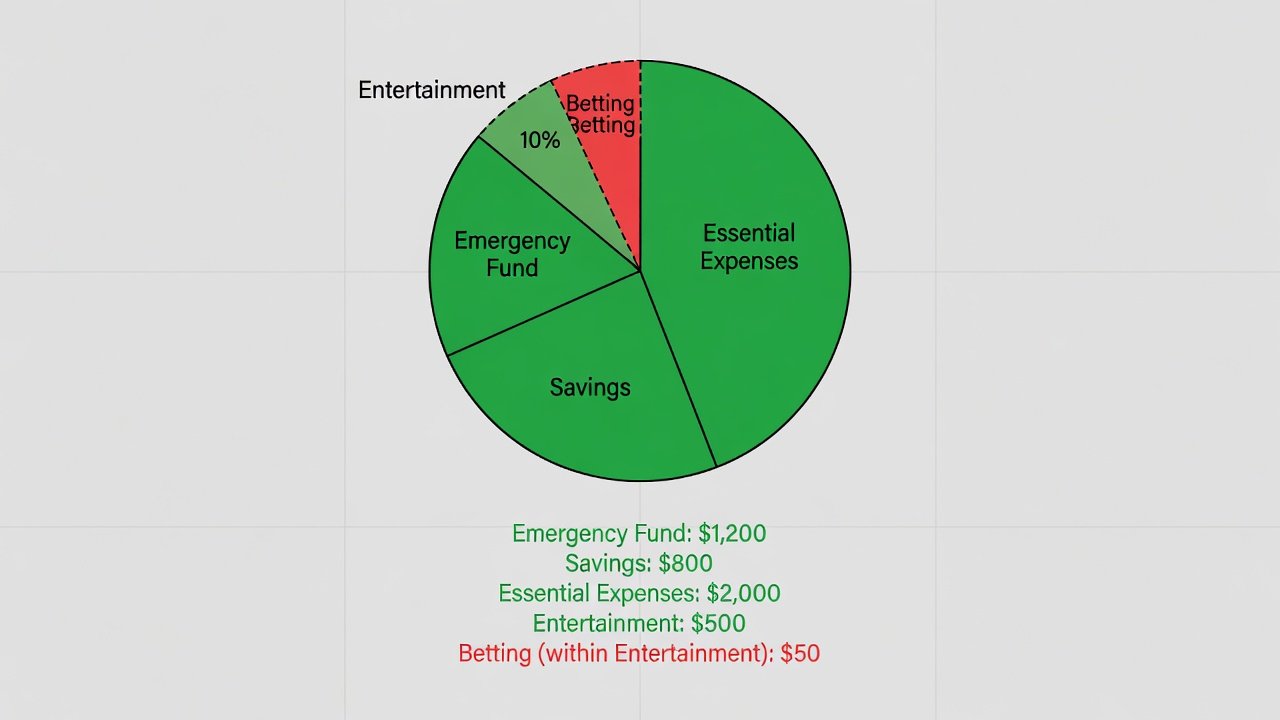
Here is a practical monthly template assuming a $5,000 net income. Customize the numbers based on your situation:
- Housing and utilities: $1,800
- Food and transportation: $800
- Debt payments and retirement savings: $1,200
- Emergency fund contribution: $500
- Entertainment (including betting): $200
- Remaining for discretionary use or additional savings: $500
Within the $200 entertainment line, split further into $150 for betting and $50 for other leisure activities. Track every transaction to stay accountable. For higher earners, scale proportionally while maintaining the same low percentage for betting. Test the template for one month and refine categories as needed.
Warning Signs of Overspending and How to Respond
Common red flags include chasing losses by increasing bet sizes, borrowing money to gamble, hiding activity from family members, neglecting bill payments to fund bets, experiencing anxiety when not gambling, lying about losses, using credit cards for wagers, and reducing contributions to savings or retirement accounts. If you notice these behaviors, immediately pause all betting and review your budget with a trusted advisor or financial counselor.
Resources from organizations like the World Health Organization highlight the importance of early intervention for gambling-related issues. Creating a personal action plan in advance, such as committing to a 30-day cooling-off period at the first sign of trouble, can prevent minor issues from escalating.
Comparing High-Risk vs Low-Risk Allocation Strategies
High-risk strategies often involve allocating 10% or more of disposable income to gambling or using winnings to fund larger bets. These approaches frequently lead to rapid depletion of funds and increased stress. In contrast, low-risk strategies cap betting at 2-3% of disposable income, maintain separate accounts, and treat any wins as one-time windfalls directed straight to savings or debt reduction.
Low-risk methods prove more sustainable because they preserve capital for long-term goals like retirement or home ownership. Data from financial wellness studies consistently shows that disciplined, small allocations correlate with better overall outcomes and lower rates of regret. Consider creating a simple comparison chart for yourself listing pros and cons of each approach to reinforce your commitment to the safer path.
Using Digital Tools and Apps for Ongoing Tracking
Modern technology makes adherence easier than ever. Apps that sync with bank accounts can automatically categorize gambling transactions and send alerts when limits are approached. Spreadsheet templates shared by financial communities offer customizable solutions with built-in formulas for projections. Experiment with two or three options during your first quarter to find the best fit for your workflow.
Frequently Asked Questions on Common Financial Pitfalls
How do I avoid using credit cards for gambling?
Never link credit cards to betting accounts. Use only debit or prepaid methods funded by your budgeted amount to eliminate debt risk entirely. Set up transaction alerts on all accounts for immediate visibility.
What should I do after a large win?
Immediately transfer winnings to your emergency or investment accounts rather than reinvesting them. This prevents the psychological trap of viewing money as “house funds” and keeps your original budget intact.
How often should I reassess my limits?
Conduct formal reviews quarterly, but adjust immediately if income changes or stress levels rise. Life events such as promotions, layoffs, or family changes warrant an unscheduled review.
Is it safe to share my gambling budget with a partner?
Yes, transparency with a trusted partner often improves accountability and reduces isolation. Joint reviews can strengthen both finances and relationships.
Conclusion: Building Sustainable Habits for 2026 and Beyond
Financial planning transforms gambling from a potential liability into a manageable hobby. By combining strict budgets, automated transfers, dedicated emergency funds, proper tax handling, regular reviews, and digital tracking tools, you create a framework that supports both enjoyment and security. Start implementing these steps today to enjoy responsible gambling success throughout 2026 and maintain financial well-being for years to come. Consistent application of these principles leads to greater peace of mind and long-term success in all areas of life.


No comments yet. Be the first!