 GambleLore
Understanding the Unique Risks of 2026 Sports Event Betting
Major tournaments and leagues in 2026 create an electric atmosphere that draws millions of fans into betting. While this adds excitement, the emotional intensity often amplifies risks of problem gambling. Live odds during high-stakes matches, combined with peer pressure on social media, can lead to impulsive decisions that harm finances and mental health. The concentrated schedule of events such as international soccer tournaments or basketball playoffs means fans face nonstop opportunities to wager, increasing exposure compared to regular season betting. Research from the World Health Organization highlights how gambling disorder affects a growing number of adults, especially during peak event seasons. Fans must recognize that event-timed betting differs from regular wagering due to heightened adrenaline and time-sensitive promotions that can distort judgment. Emotional attachment to teams further complicates matters, as losses feel more personal and may prompt attempts to recover quickly through additional bets.
Identifying Event-Specific Triggers
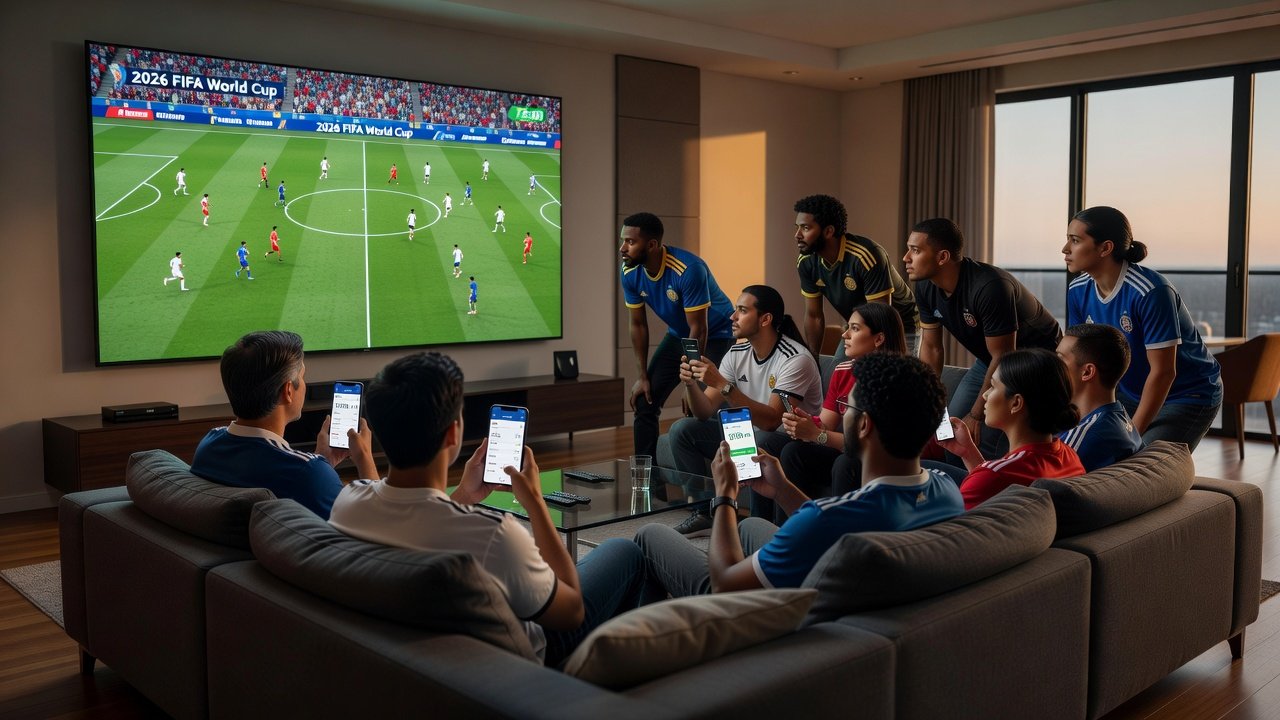
Live odds pressure represents one of the biggest triggers. As matches unfold, odds shift rapidly, encouraging bettors to chase losses or place last-minute wagers without proper analysis. Peer influence through group chats or viewing parties also plays a role, where friends may encourage risky bets to stay engaged with the group dynamic. Other triggers include extended viewing sessions that blur time boundaries and promotional bonuses tied to specific events, such as boosted odds for popular matches. Fans should track personal patterns by noting when urges spike, such as after a favorite team concedes a goal or during halftime breaks when social media buzz intensifies. Environmental factors like alcohol consumption at watch parties can lower inhibitions and lead to larger stakes than intended. Recognizing these cues early allows proactive intervention before small wagers escalate.
Setting Strict Budgets and Time Limits
Establishing firm financial boundaries before any event is essential. Allocate a fixed entertainment amount separate from household funds and never exceed it, regardless of outcomes. Use dedicated betting accounts with deposit limits enabled in advance to create automatic barriers. Time management is equally critical. Set a maximum duration for betting activities, such as two hours per match day, and use phone alarms to enforce breaks. This prevents all-night sessions during tournaments spanning multiple time zones. Consider using separate devices or apps for betting only, keeping social media and live scores on another to reduce constant monitoring. Review your spending weekly rather than daily to avoid reactive adjustments that might encourage more betting. A practical approach involves writing down limits on paper and placing the note near your viewing area as a visual reminder.
Sample Safe Betting Checklist:
- Decide budget 48 hours before the event starts
- Enable account deposit caps immediately
- Schedule viewing breaks every 90 minutes
- Review bets only after the event concludes
- Track all wagers in a simple spreadsheet
- Include family or friends in accountability check-ins
- Prepare alternative activities for after the event ends
Casual vs High-Stakes Event Betting: Key Comparisons
Casual betting involves small, occasional stakes on favorite teams with minimal research, focusing on enjoyment rather than profit. High-stakes betting, by contrast, features larger amounts, complex parlays, and frequent adjustments based on live data, often leading to emotional rollercoasters. The former keeps participation recreational, while the latter increases addiction potential through bigger swings and the illusion of control from constant monitoring. Fans benefit from starting small and avoiding progressive betting systems during marquee events. Comparing the two reveals that casual approaches preserve mental energy for appreciating the sport itself, whereas high-stakes methods can turn viewing into a stressful financial endeavor. Long-term data suggests recreational bettors maintain better overall satisfaction with both sports and their hobby.
Real Examples of Safe Betting Plans
Consider a fan planning for a major 2026 soccer tournament. They set a $150 monthly limit, split across three matches, and only bet on pre-match outcomes after reviewing team news. Another example involves a basketball league follower who uses a 1% bankroll rule per wager and logs every bet outcome for monthly review. A third plan might come from a tennis enthusiast who restricts bets to underdogs with researched value and takes a full week off after any three consecutive losses. These plans emphasize consistency over chasing wins and include mandatory cooling-off periods after any loss streak. Documenting each plan in advance reduces on-the-spot decisions that often lead to regret.
Warning Signs of Gambling Addiction
Early detection prevents escalation. Common signs include betting more than planned, hiding activity from family, or experiencing anxiety when unable to watch events. Neglecting work or relationships due to betting also signals trouble. Additional indicators involve chasing losses with increasingly larger bets, feeling irritable during non-event periods, or using betting as a primary coping mechanism for stress. If these appear, immediate steps like self-exclusion tools or contacting support services become necessary. The International Association for Suicide Prevention resources can guide those facing severe distress linked to losses. Monitoring sleep patterns and mood changes around betting times provides further clues for self-assessment.

Expert-Backed Risk Reduction Techniques
Experts recommend mindfulness practices before placing bets to reduce emotional influence. Cognitive behavioral strategies, such as reframing wins and losses as entertainment costs, help maintain perspective. Joining responsible gambling forums provides accountability and shared experiences from others in similar situations. Many operators now offer reality-check pop-ups; enable these for automatic reminders during live betting sessions. Additional techniques include pre-committing to specific bet types only and avoiding in-play betting altogether for high-emotion events. Regular breaks combined with physical activity help reset decision-making processes. Consulting licensed counselors specializing in behavioral addictions offers personalized tools beyond self-help methods.
Choosing Responsible Betting Platforms in 2026
Selecting licensed operators with strong player protection features adds another layer of safety. Look for sites that prominently display responsible gambling tools and allow easy access to limit-setting features. Reading independent reviews and verifying regulatory licenses helps avoid unregulated platforms that may encourage excessive play. Platforms with transparent payout histories and clear terms reduce the chance of disputes that could trigger further betting to recover funds.
FAQ: Balancing Fandom with Safe Betting
How can I enjoy 2026 events without betting?
Focus on free prediction games or fantasy leagues that require no real money. These maintain engagement while eliminating financial risk and allow full focus on the athletic performances.
What should I do after a losing streak?
Take a mandatory 72-hour break from all betting platforms and review your plan with a trusted friend for objective feedback. Reassess whether the current limits still align with your overall goals.
Are there tools to help limit betting?
Most licensed sites provide deposit limits, session timers, and self-exclusion options. Activate them before the season begins for maximum effectiveness and test them during smaller events first.
How do I handle peer pressure during group events?
Communicate your limits openly beforehand and suggest non-betting activities like shared snacks or prediction contests without stakes to keep the social element intact.
Is it possible to bet responsibly long-term?
Yes, by treating betting strictly as entertainment with predefined boundaries and regularly evaluating its impact on your finances and enjoyment of sports.
Conclusion
Responsible sports event betting in 2026 allows fans to enhance enjoyment without compromising well-being. By identifying triggers early, enforcing strict limits, and recognizing warning signs, enthusiasts can maintain a healthy balance between passion for sports and financial safety. Always prioritize long-term health over short-term thrills and revisit your strategies after each major event for continuous improvement.


No comments yet. Be the first!