 GambleLore
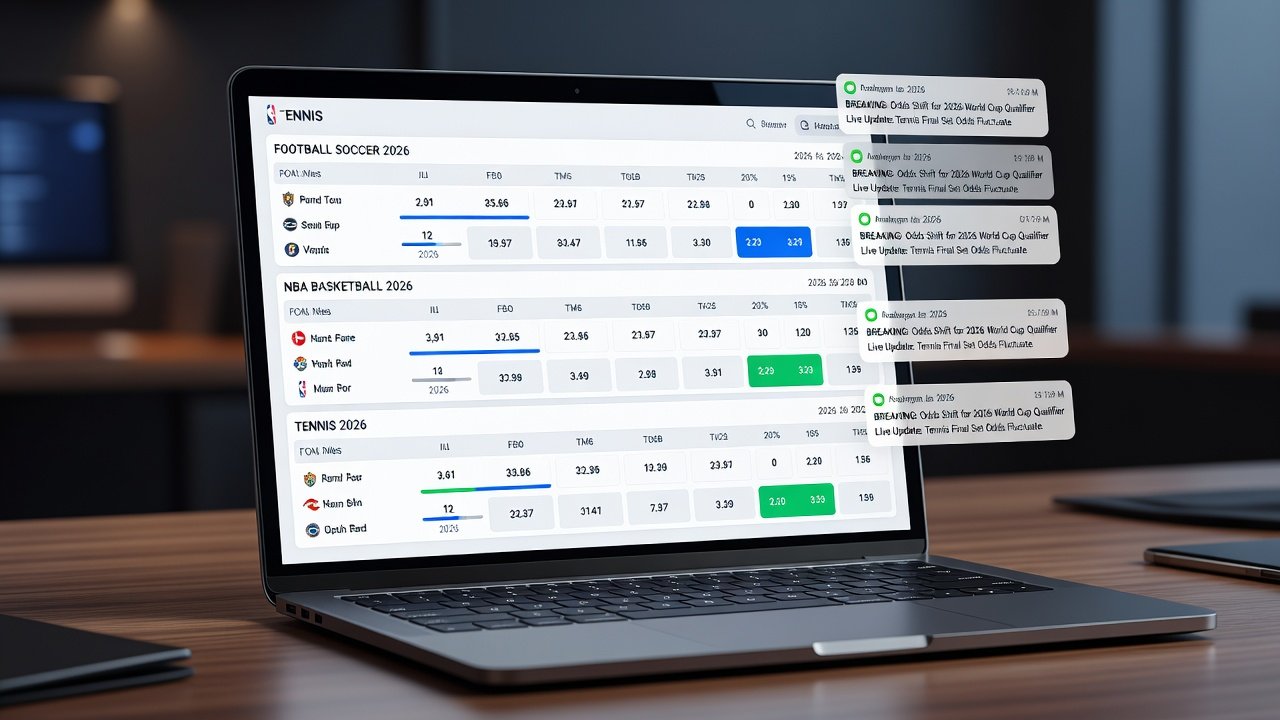
Introduction to Betting Alerts in 2026
In the fast-paced world of sports betting, real-time alerts have become indispensable for serious bettors looking to capitalize on value in football, NBA, and tennis markets. As odds fluctuate rapidly due to injuries, weather, or sharp money, having automated notifications allows you to act before lines adjust. This comprehensive guide walks through configuring effective betting alerts across these three major sports in 2026, covering everything from tool selection to sport-specific triggers and integration with your overall strategy.
Effective alert systems help identify discrepancies across bookmakers and notify you of key developments like line movements or breaking news. By the end of this article, you will have actionable workflows that keep you informed without overwhelming your devices.
Why Real-Time Alerts Matter for Value Betting
Value betting relies on spotting favorable odds before the market corrects itself. In 2026, with increased data availability and faster information flow, lines can move within seconds of news breaking. Alerts bridge the gap between data sources and your decision-making process, enabling quicker responses than manual monitoring allows. For instance, a sudden shift in NBA player props or tennis serve percentages can signal value opportunities that disappear fast without immediate notification.
Best Alert Tools and Apps for 2026
Several platforms stand out for multi-sport coverage. OddsChecker provides broad odds comparison with customizable notifications. Action Network offers detailed line movement tracking and push alerts. For advanced users, Telegram bots or Discord integrations allow custom scripting for specific triggers. These tools aggregate data from multiple sportsbooks and support filters for football totals, NBA props, and tennis matchups. When selecting a service, prioritize those with reliable APIs and multi-device support to ensure alerts reach you wherever you are.
Start by testing basic features on free tiers to understand interface and notification speed before committing further.
Step-by-Step Setup for Odds Changes
Begin by linking your preferred sportsbooks within the alert platform, granting permission where required for data syncing. Define precise thresholds, such as a minimum percentage movement on moneylines or totals. Enable both push notifications and email summaries for redundancy. After setup, simulate test scenarios by manually adjusting sample odds to verify delivery speed and accuracy. Refine your filters iteratively, focusing initially on high-liquidity markets to minimize false positives. Document your initial configuration and review it after the first week of use to optimize performance.
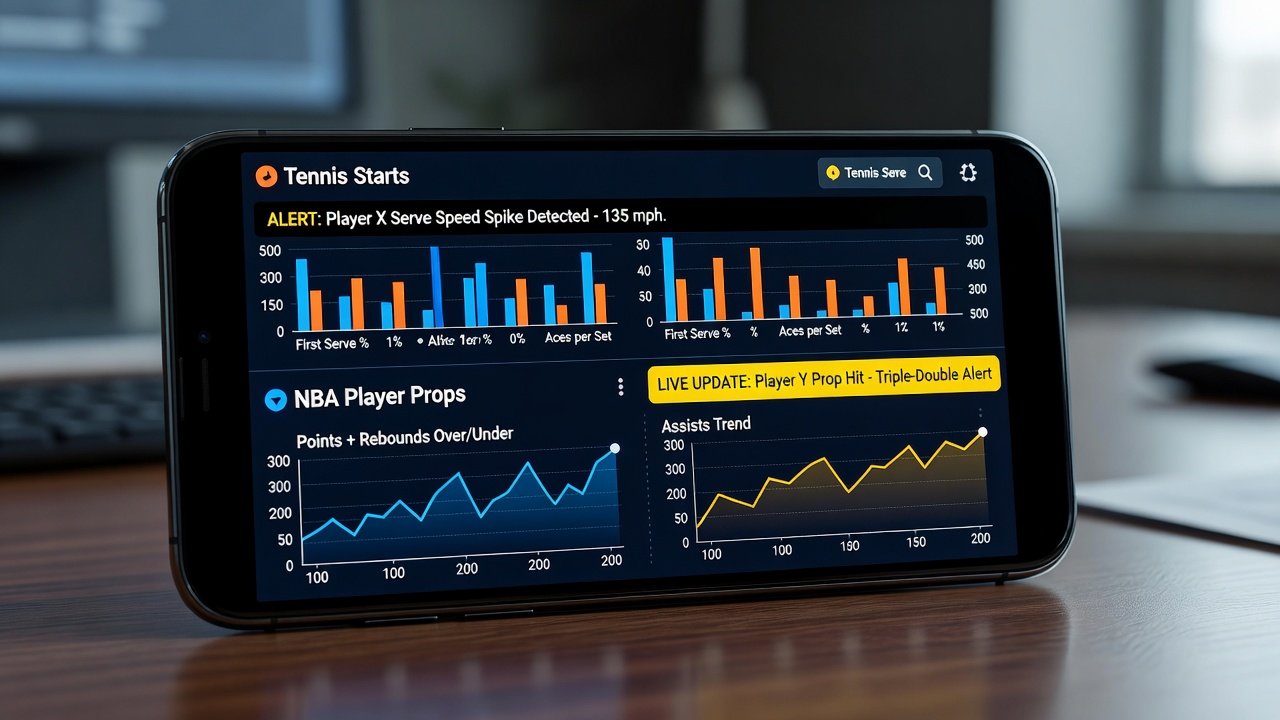
Monitoring Injury News and Line Movements
Pair odds alerts with real-time news feeds for maximum effectiveness. Configure Boolean searches that combine player names with status keywords like "questionable" or "out." This approach captures relevant updates while filtering noise. For line movements, set secondary alerts that activate only when both a news item and an odds shift occur within a short window, creating correlated triggers that highlight high-confidence opportunities.
Sport-Specific Strategies and Examples
Each sport demands tailored alert configurations. In football, focus on goal line movements and team news from major European leagues, using triggers tied to expected goal metrics. For the NBA, monitor player prop changes involving points, rebounds, or assists when injury reports update, creating alerts around star performers in high-profile games. Tennis alerts should track serve statistics and withdrawal announcements, with examples including notifications for underdog value when a top seed's serve percentage drops unexpectedly. These sport-specific setups ensure relevance and reduce irrelevant notifications across your dashboard.
Official resources enhance accuracy. Check the FIFA official site for football data, the NBA official site for basketball updates, and ATP Tour for tennis statistics.
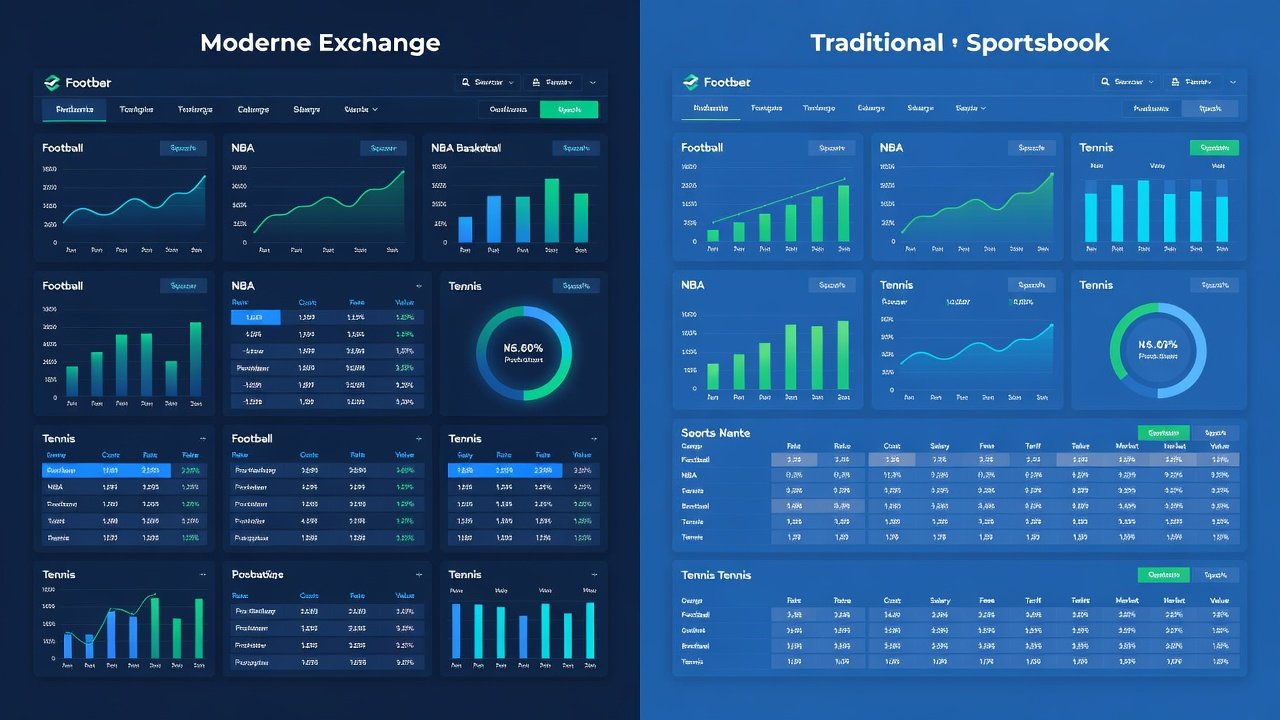
Free Versus Paid Alert Services Comparison
Free services deliver basic odds tracking suitable for casual users but often suffer from delays and limited customization. Paid options provide faster delivery, advanced filtering, and priority support, making them preferable for serious bettors who place multiple wagers daily. Evaluate both types based on your volume and need for features like API access rather than cost alone.
Practical Tips for Avoiding Notification Overload
Prevent alert fatigue by restricting triggers to your core betting markets and setting quiet hours outside active betting periods. Use digest modes that bundle notifications into hourly summaries. Regularly audit active alerts and disable those that no longer align with your strategy. This disciplined approach maintains focus and ensures each ping carries meaningful value.
Integrating Alerts with Bankroll Management Rules
Alerts should complement, not replace, your staking plan. Establish hard limits on exposure per sport and review alert-driven decisions weekly against overall bankroll performance. Combine notifications with predefined percentage-based wagering rules to maintain long-term discipline and avoid impulsive bets.
Common Setup Mistakes and How to Avoid Them
Beginners often create overly broad triggers that flood devices with noise. Another frequent error involves neglecting to verify notification permissions across devices. Always test end-to-end delivery and start with narrow, high-value filters before expanding scope.
FAQ
How do I avoid false alerts from low-liquidity markets?
Exclude markets below a minimum betting volume threshold directly in your platform settings and focus on major leagues first.
Can I integrate alerts with existing betting apps?
Most modern platforms support webhook or API connections that allow seamless workflow integration with popular betting software.
What common setup mistakes should beginners avoid?
Overly broad triggers, ignoring device permissions, and failing to test simulated movements rank among the top issues to address early.
How often should I review and update my alert configurations?
Conduct a full review at least monthly or after major sporting events to keep filters aligned with current market conditions.
Conclusion
Properly configured betting alerts empower you to capture value in football, NBA, and tennis markets ahead of line adjustments. Implement the detailed workflows, test extensively, and refine based on results to build a sustainable edge in 2026 betting.

No comments yet. Be the first!