 GambleLore
2026 Betting Strategies: Adapting to Inflation and Rate Shifts
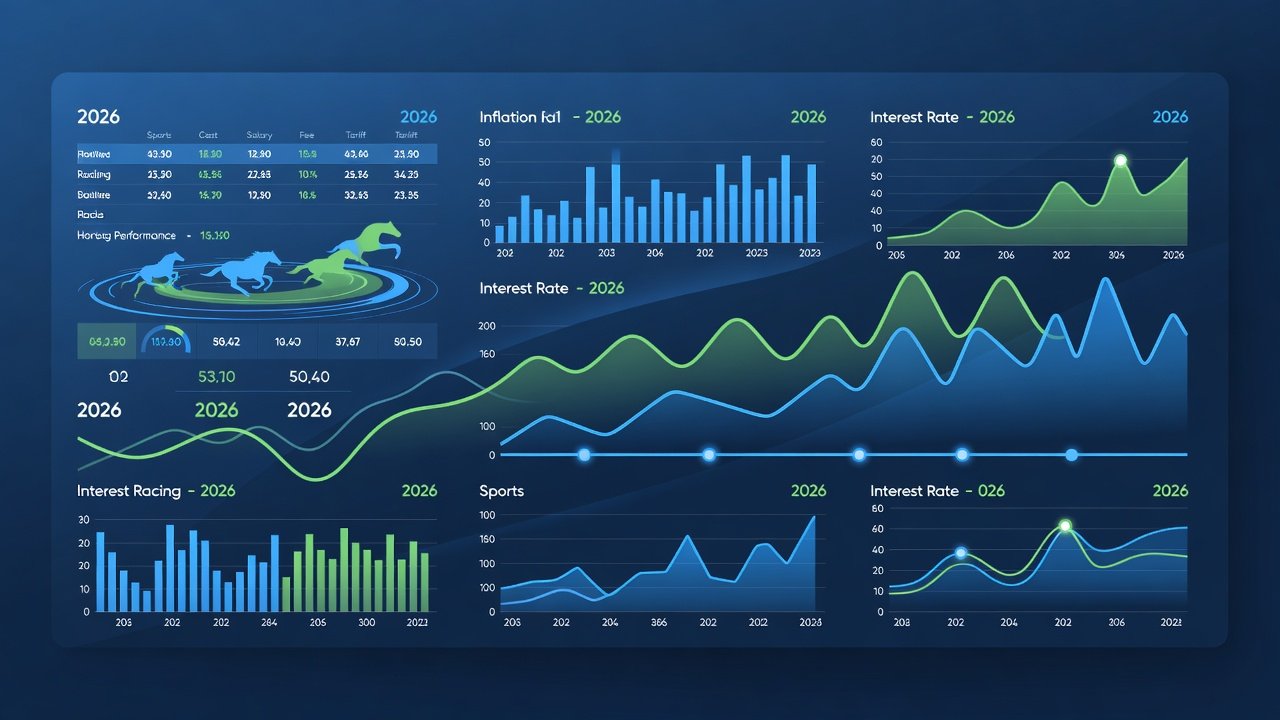
Economic conditions in 2026 are expected to continue influencing betting markets through persistent inflation pressures and fluctuating interest rates. Bettors who understand these dynamics can adjust their approaches to maintain profitability in sports and horse racing wagering. This guide explores the impacts on consumer spending, provides step-by-step bankroll adjustments, and highlights opportunities in lower-stakes markets while emphasizing robust risk controls. By examining historical patterns and projecting them forward, readers gain actionable insights for navigating uncertainty in an evolving financial landscape.
Understanding Economic Influences on 2026 Betting Markets
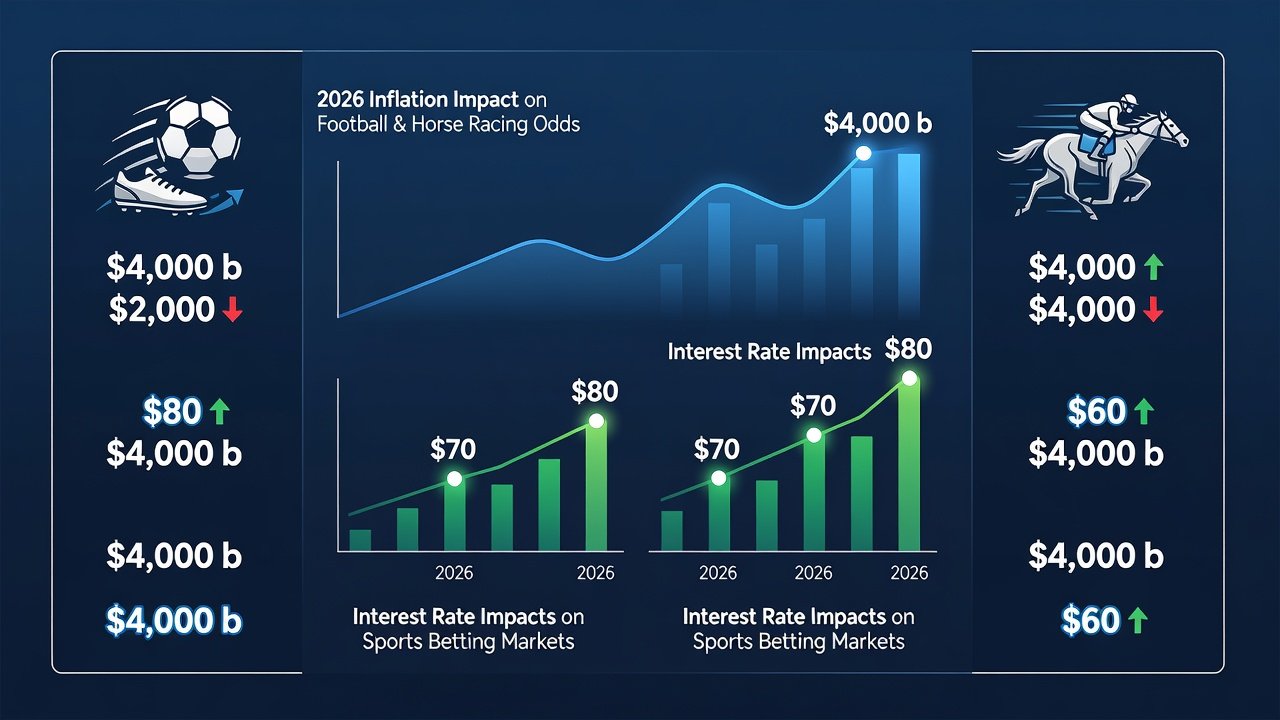
Rising inflation erodes purchasing power, often leading bettors to reduce overall stake sizes or shift toward lower-risk options. Interest rate changes by central banks affect disposable income and can alter betting volumes on major events. Past cycles, such as the post-2008 recovery and the 2022 inflation surge, showed decreased activity in high-odds exotic bets while steady-state markets like match winners remained resilient. In 2026 scenarios, similar patterns may emerge with added layers from global supply chain issues and energy price volatility. For instance, if inflation remains elevated, casual bettors may favor domestic leagues over international tournaments due to travel cost sensitivities. Horse racing could see increased interest in claiming races as owners seek quicker returns amid higher feed and maintenance expenses. Broader consumer spending patterns indicate a move toward entertainment with lower entry barriers, directly impacting how sportsbooks price lines and how tracks schedule races.
Step-by-Step Bankroll Allocation Adjustments
Effective bankroll management becomes critical during economic volatility. Follow these steps to adapt your approach systematically. First, assess your current bankroll against monthly disposable income, accounting for inflation-adjusted living costs by reviewing recent household expense trends. Second, allocate no more than 1-2% of your total bankroll per bet initially, tightening to 0.5% during periods of rapid rate announcements to preserve capital for longer streaks of variance. Third, reserve 20% of the bankroll for opportunistic plays in undervalued lower-stakes markets when economic data releases create temporary odds distortions, allowing flexibility without overexposure. Fourth, review and rebalance weekly, using historical performance data from similar economic periods to refine future allocations. These adjustments help preserve capital when consumer spending patterns tighten and betting liquidity fluctuates across platforms.
Identifying Value Odds Affected by Economic Pressure
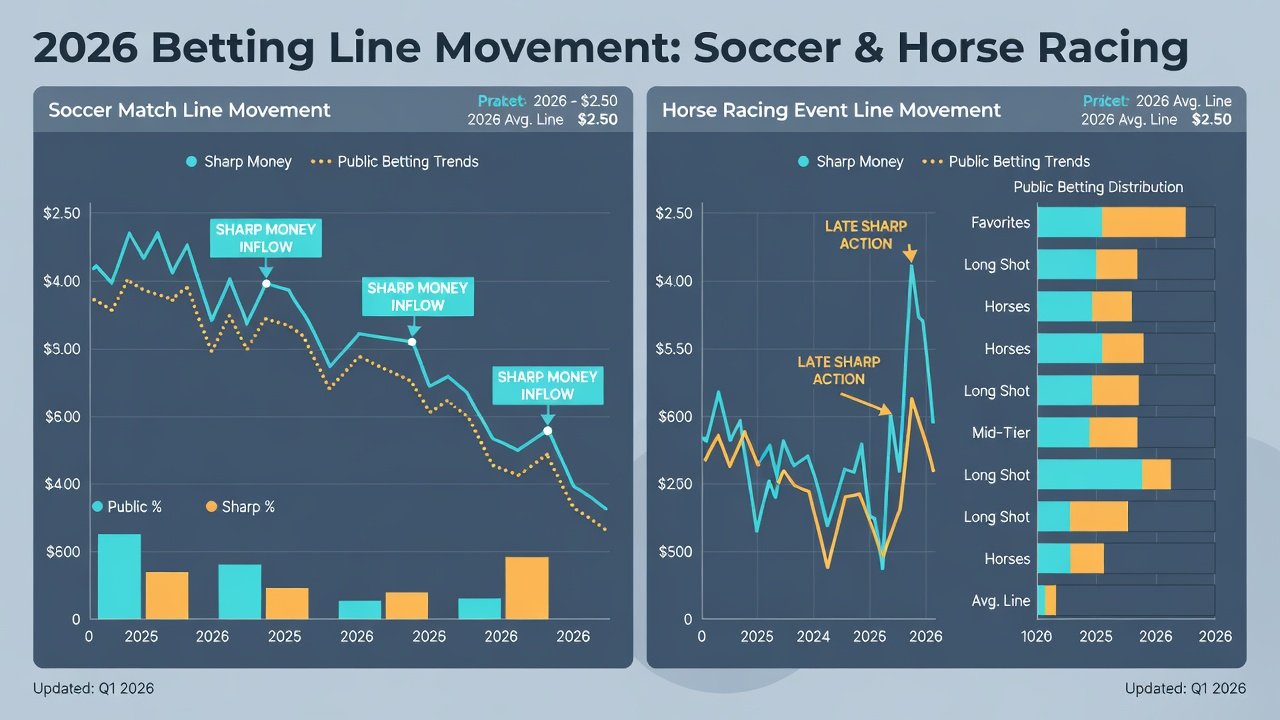
Economic shifts often create mispriced odds as bookmakers react to volume changes. Focus on lines where public betting leans heavily toward favorites due to risk aversion. In sports, this might appear in over/under totals for high-scoring games when fans prefer safer straight bets over complex combinations. For horse racing, morning line odds on favorites in graded stakes may shorten excessively if inflation prompts more conservative wagering. Compare these against true probabilities derived from speed figures and pace analysis to spot overlays. Additional value emerges in player props or horse condition reports that lag behind broader economic signals, such as reduced attendance at tracks affecting tote pool sizes.
Real-World Examples Translated to 2026
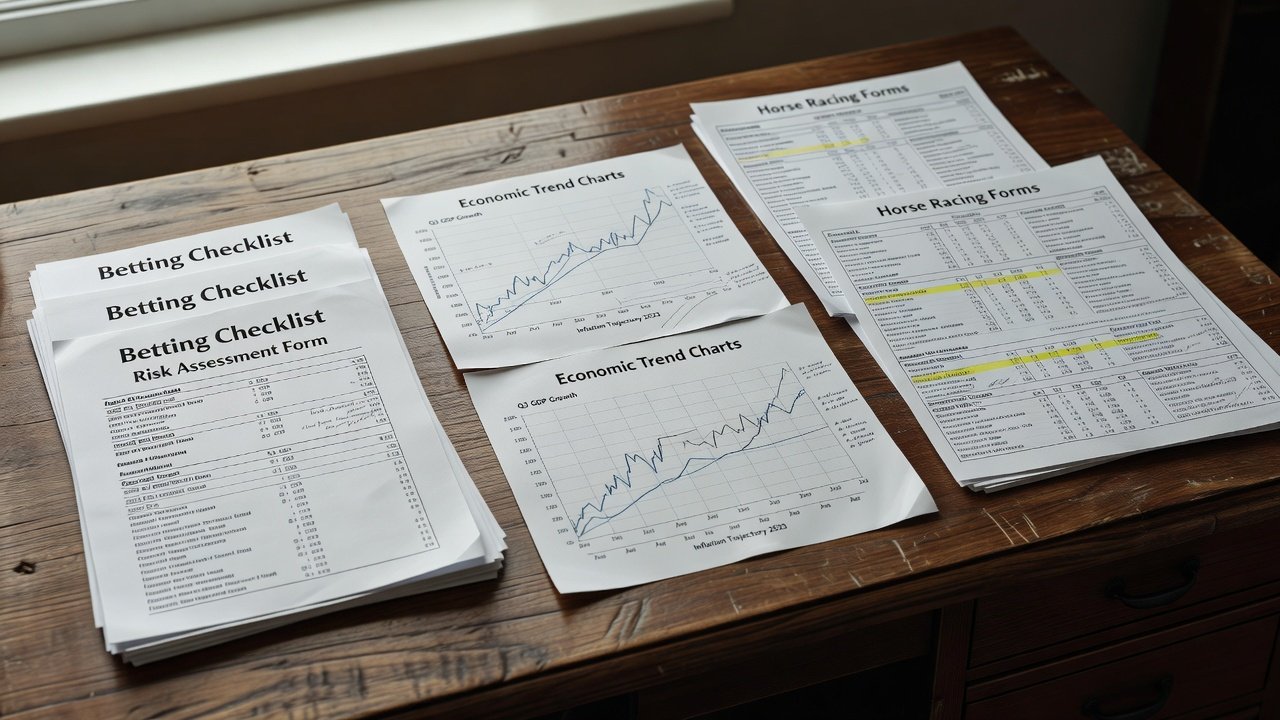
During the 2022 inflation peak, NFL totals betting dropped significantly in volume while prop bets on player performance held steady. Applying this to 2026, expect similar contraction in parlay markets for soccer leagues if rates rise further. Bettors who targeted value on underdogs in lower-division matches profited as public money avoided volatility. Another parallel comes from the 2008-2010 period when horse racing handle shifted toward cheaper claimers, creating edges for those analyzing trainer statistics more deeply than casual observers. In 2026 projections, watch for analogous movements in minor league baseball or regional racing circuits where economic sensitivity amplifies small edges.
Spotting Opportunities in Lower-Stakes Markets
Lower-stakes betting pools often exhibit less sharp line movement during economic uncertainty. Consider these areas for potential advantages: minor league or regional sports events with smaller overall handle that attract less professional attention; maiden and claiming races in horse racing where information asymmetry can reward diligent handicappers tracking workout patterns; daily fantasy or micro-limit contests that draw recreational players facing tighter budgets and thus produce softer competition; and niche international sports with delayed line updates due to lower global interest. These markets frequently offer better value when mainstream action concentrates on marquee events, allowing patient bettors to exploit inefficiencies created by reduced liquidity.
Risk Management Techniques for Volatile Odds
Volatile odds require disciplined protocols to avoid common pitfalls. Implement stop-loss limits after three consecutive losing sessions and diversify across uncorrelated sports and racing disciplines to buffer against sector-specific downturns. Track correlation between economic indicators and betting outcomes using simple spreadsheets updated after each major data release. Avoid chasing losses by increasing stakes during downturns, a common pitfall amplified by inflationary stress on personal finances. Incorporate scenario planning by simulating bankroll impacts under different inflation scenarios drawn from historical data, and always maintain a separate emergency fund outside the betting bankroll to prevent emotional decisions.
Practical Daily Bettor Checklist
- Review latest inflation and rate data before placing wagers to contextualize line movements.
- Compare opening and closing lines for movement signals indicating sharp action or public bias.
- Limit exposure to high-volatility props and exotics that amplify economic uncertainty effects.
- Maintain a betting journal noting economic context for each decision to identify patterns over time.
- Reassess bankroll allocation monthly or after major policy announcements from institutions like the Federal Reserve.
- Cross-reference consumer spending reports for clues on recreational betting volume shifts.
Comparing Past Economic Cycles to 2026 Projections
Analyzing previous downturns reveals recurring themes applicable today. The early 1990s recession saw increased participation in low-cost horse racing options as discretionary spending tightened. Translating this forward, 2026 bettors might emphasize value in under-the-radar events rather than premium offerings. Similarly, post-pandemic rate hikes in recent years compressed margins in high-limit sports betting, pushing activity toward mid-tier markets. Preparation involves building familiarity with multiple betting formats now to capitalize quickly when conditions align.
Conclusion
Adapting betting strategies to 2026 economic conditions demands proactive bankroll management, careful value identification, and strict risk controls. By focusing on lower-stakes opportunities and learning from past cycles, bettors can navigate inflation and rate shifts successfully. Consistent application of these principles supports long-term sustainability regardless of broader financial trends. Resources such as Federal Reserve economic data and Bureau of Labor Statistics reports provide ongoing context for informed decisions.
FAQ
When is the best time to place bets during economic uncertainty?
Monitor economic calendars and place bets after major data releases once lines stabilize, typically 24-48 hours later, allowing markets to absorb initial reactions.
How does inflation specifically affect horse racing betting?
Higher costs for owners can influence field sizes and race quality, creating value in claiming-level events where public perception lags behind actual conditions on the track.
Should I reduce my overall betting volume in 2026?
Adjust stakes proportionally to changes in disposable income rather than arbitrarily cutting volume; focus on quality selections over sheer quantity to weather volatility.
Are there safe lower-stakes alternatives to traditional sports betting?
Regional racing circuits and niche sports often provide steadier opportunities with less sharp line movement during volatile periods, rewarding research over impulse plays.
What role do interest rate shifts play in consumer betting behavior?
Higher rates can reduce disposable income, leading to smaller average wagers and a preference for markets with quicker resolutions like single-game bets over season-long futures.
No comments yet. Be the first!