 GambleLore
Introduction: Why Economic Shifts Matter for 2026 Betting
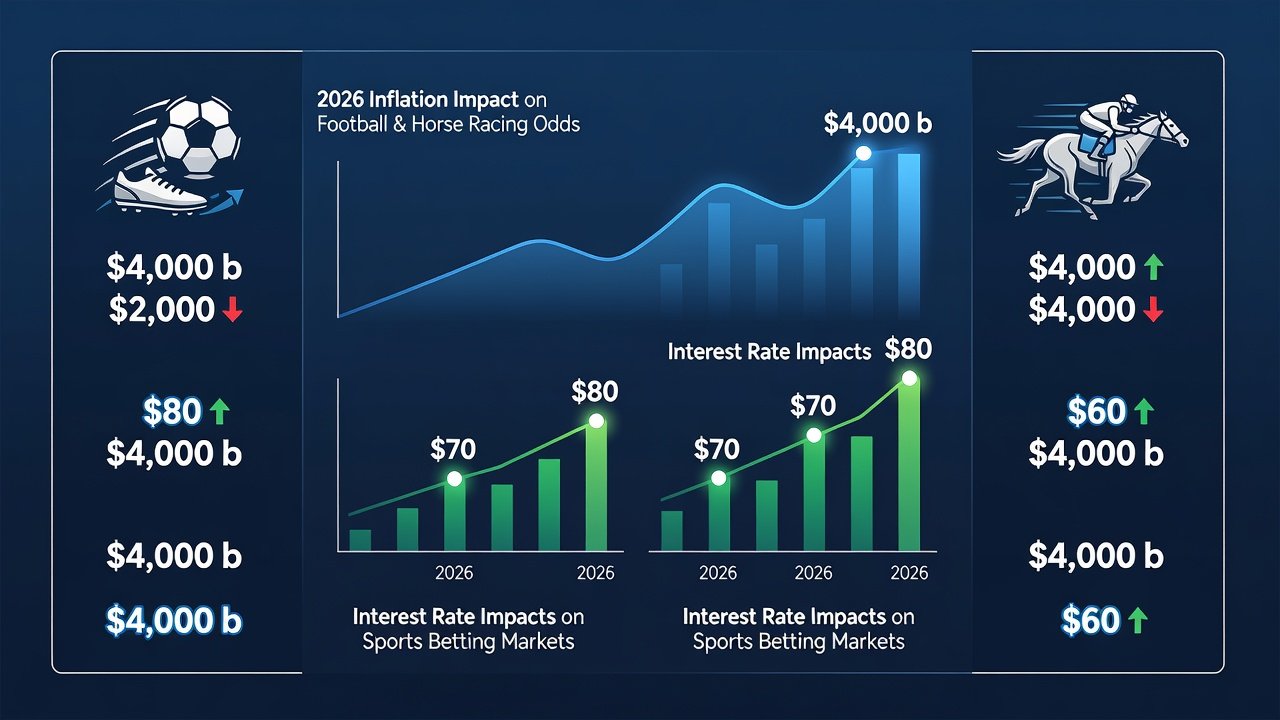
Economic conditions in 2026 continue to shape betting markets through persistent inflation pressures, evolving interest rate policies from central banks, and changing consumer spending habits. These factors directly influence how bookmakers set odds for sports events and horse racing, often creating opportunities for informed bettors who adjust their approaches proactively. Bettors who ignore these macroeconomic signals risk overexposing their bankrolls during periods of heightened volatility or missing value when lines lag behind real-world economic data. This comprehensive guide delivers practical, step-by-step adjustments focused on inflation tracking, interest rate impacts, and spending pattern analysis. It covers reliable data sources, specific strategy modifications such as stake sizing and market selection, risk mitigation techniques, and real-world before-and-after comparisons using 2026 scenarios. Readers will also find checklists, sample calculations, and a detailed FAQ addressing common pitfalls to maintain engagement and actionable value throughout.
Key Economic Indicators to Monitor in 2026
Successful betting adjustments begin with consistent monitoring of core indicators that signal shifts in disposable income and market liquidity. Inflation remains a primary driver, as rising costs erode purchasing power and can lead to reduced wagering volumes on entertainment-focused activities like sports betting and horse racing. Interest rates set by central banks affect borrowing costs and savings behavior, which in turn influences how much capital bettors allocate to odds markets. Consumer spending patterns provide forward-looking signals, particularly in leisure and discretionary categories that correlate with betting activity on major leagues and racing fixtures.
Data Sources and Tracking Methods
Reliable information comes from established institutions. The Federal Reserve publishes regular updates on monetary policy decisions and interest rate projections. For inflation metrics, consult the Bureau of Labor Statistics monthly releases, which detail the Consumer Price Index and related measures. Spending pattern data often appears in aggregated retail sales reports and sector-specific analyses from government economic agencies. Bettors should establish a routine of reviewing these sources within 24-48 hours of each release to stay ahead of potential odds adjustments. Cross-referencing multiple indicators prevents overreaction to single data points and builds a more robust view of the economic environment affecting 2026 betting strategies.
Adjusting Stake Sizing Based on Economic Data
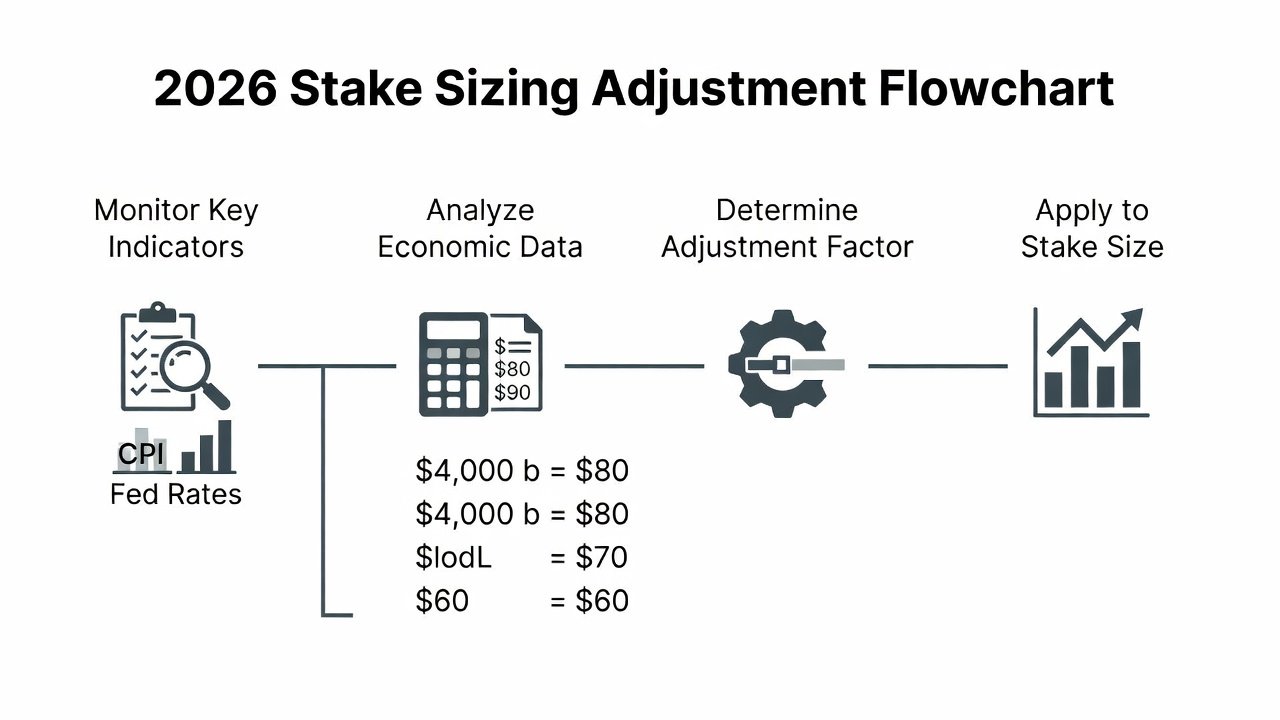
Stake sizing represents one of the most direct ways to adapt to economic shifts. During periods of elevated inflation, real income declines, prompting a conservative approach that preserves bankroll longevity. Interest rate hikes can similarly signal tighter credit conditions, leading to smaller average wager amounts. A systematic method involves calculating adjusted unit sizes based on the latest inflation or rate data. For instance, when inflation reports indicate sustained upward pressure, reduce the standard stake percentage from 2% of bankroll to 1.7% to account for diminished discretionary funds. Sample calculation one: A $4,000 bankroll with a baseline 2% unit equals $80. If projected inflation impact reaches 3.5% annually, scale the unit down to 1.75% or $70 to maintain equilibrium. Sample calculation two: Following an interest rate increase announcement, apply an additional 0.25% reduction for the following month, resulting in a $60 unit on the same bankroll. These tweaks should be tested incrementally over short cycles before full implementation.
Checklist for Stake Adjustments
- Review the most recent inflation or interest rate report within 48 hours of publication.
- Estimate the percentage impact on real disposable income using official figures.
- Recalculate unit size as a proportion of current bankroll using the adjusted percentage.
- Apply the new stake size first to lower-variance markets such as pre-match totals.
- Track performance metrics over a minimum 15-bet sample period before further scaling.
- Document any deviations caused by unexpected spending pattern changes in a simple log.
Market Selection Strategies for 2026 Conditions
Economic conditions also guide which markets offer the best alignment with current realities. Higher interest rates often compress liquidity in high-volatility in-play betting, making pre-game selections in major sports leagues more attractive. Horse racing odds frequently respond to shifts in leisure spending, with wider spreads appearing on mid-week or regional fixtures when consumer confidence dips. Focus on international leagues with diverse fan bases that demonstrate greater resilience to domestic economic fluctuations. Avoid over-concentration in markets heavily tied to local attendance, such as certain horse racing events or niche sports with limited global appeal.
Before-and-After Comparison Example
Consider a 2026 scenario involving NFL markets. Prior to mid-year inflation stabilization, aggressive pricing led to higher hold percentages on spread bets, reducing value for bettors. Following cooler inflation readings and steady rate signals, underdog moneyline opportunities in secondary conferences emerged with improved implied probabilities. Similar patterns appeared in horse racing, where pre-adjustment odds on favorites tightened due to reduced field sizes from spending cutbacks, while post-adjustment races showed better payouts on mid-tier contenders when economic data improved. These comparisons highlight the importance of timing market entries around economic releases.
Risk Mitigation Tactics
Beyond stake and market tweaks, layered risk controls protect against economic surprises. Diversify across at least three distinct bet types and sports to avoid correlated losses during spending downturns. Set calendar-based pauses around major data releases from the Federal Reserve or BLS to prevent reactive decisions. Maintain a dedicated tracking document that logs economic indicators alongside bet outcomes, enabling pattern recognition over multiple quarters. Establish hard stop-loss thresholds tied to cumulative inflation or rate movement metrics rather than arbitrary loss limits.
Spending Patterns and Their Direct Influence
Consumer spending data provides early warnings for betting volume changes. Declines in entertainment and leisure categories often precede softer odds on premium events, while upticks can signal increased liquidity and tighter lines. Monitor quarterly expenditure reports for correlations with specific sports seasons or racing calendars. Adjust market selection accordingly by shifting toward value-driven underdogs when spending contracts or toward favorites when expansion is evident.
Common Economic Pitfalls: FAQ
How frequently should economic data influence betting decisions?
Integrate monthly reviews as a baseline, with deeper analysis only after significant deviations from expected trends appear in official releases.
Can inflation create positive betting opportunities?
Yes, when bookmakers delay repricing certain niche markets, value can appear in under-the-radar selections until lines catch up.
What spending indicators most affect horse racing odds?
Regional leisure expenditure drops often lead to reduced field sizes and adjusted morning line odds on mid-tier runners.
Should interest rate changes prompt immediate bankroll halts?
No, implement gradual stake reductions over two to three weeks to allow for market stabilization.
How do global events interact with domestic economic indicators?
International factors can amplify or offset local inflation and spending signals, requiring bettors to review broader context from multiple sources.
Conclusion
Mastering economic adjustments for 2026 betting strategies demands disciplined monitoring, calculated stake modifications, thoughtful market choices, and robust risk frameworks. By embedding these practices into a repeatable process, bettors can navigate inflation, interest rate environments, and spending fluctuations with greater confidence and consistency across sports and horse racing markets.
No comments yet. Be the first!