 GambleLore

Introduction to Underdog Betting in 2026
Betting on underdogs offers some of the most attractive value opportunities in sports and horse racing, especially when markets overreact to favorites. In 2026, successful bettors focus on identifying mispriced long odds rather than chasing consistent winners. This approach requires discipline, data analysis, and a clear understanding of key indicators that signal potential upsets. Underdog strategies differ significantly from favorite-heavy methods because they emphasize positive expected value over high win rates. By targeting specific scenarios like form reversals and market inefficiencies, punters can build sustainable profits even with lower strike rates. The 2026 season brings new variables including updated racing calendars and evolving sports analytics tools that make spotting value more precise than ever before.
Understanding Market Dynamics and Value Creation
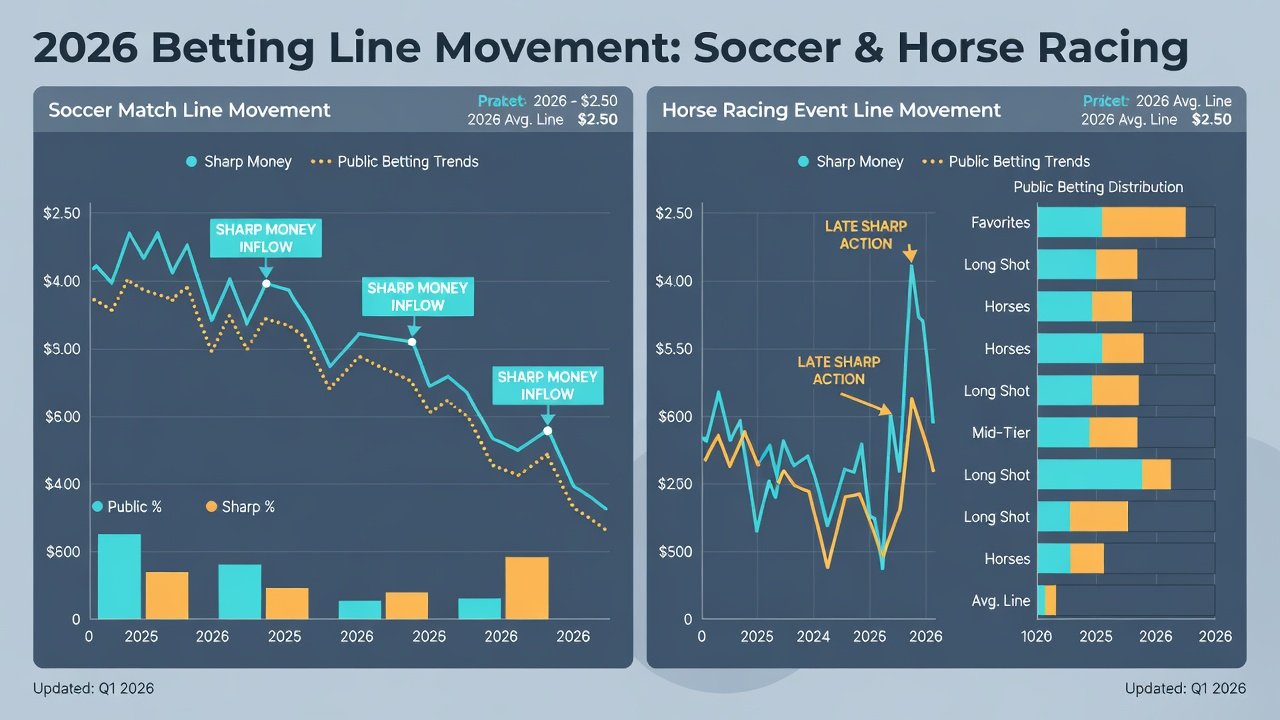
Bookmakers adjust odds based on public perception and betting volume, which often inflates favorites and creates opportunities on the other side. In 2026, live data feeds and social media sentiment amplify these overreactions, particularly in high-profile events. Bettors who monitor early odds movements can capitalize before corrections occur. This dynamic applies equally to Premier League matches and major horse racing festivals where public bias toward star names distorts true probabilities.
Key Indicators for Spotting Underdog Value
Form Reversals and Performance Trends
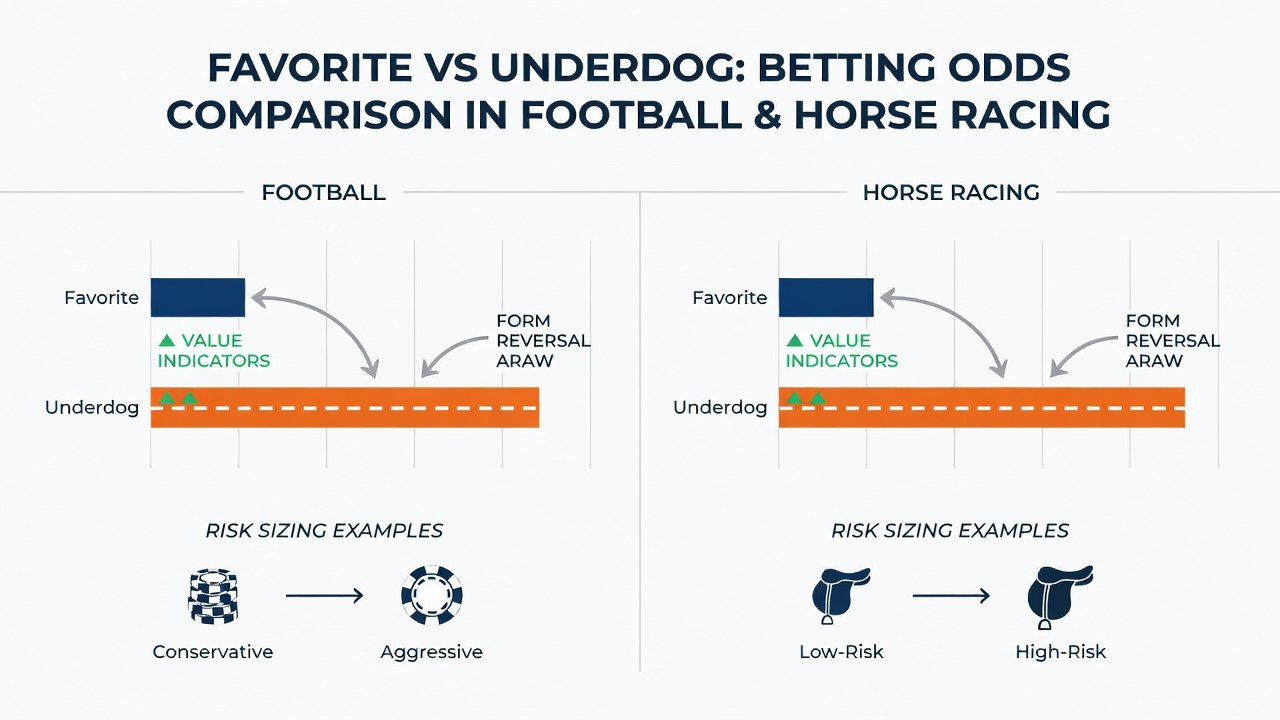
Form reversals occur when a competitor shows improving recent performances after a slump, often overlooked by the betting public. Look for horses or teams that have finished strongly in their last two outings despite overall poor records. Statistical models tracking sectional times or expected goals can highlight hidden momentum that traditional form guides miss.
Trainer and Jockey Patterns
Trainer patterns reveal consistent success with long-priced runners in certain conditions or distances. Some stables excel with debutants or horses returning after layoffs, posting win rates above 20 percent at odds greater than 8/1. Cross-referencing these patterns with course-specific data provides a reliable edge in both flat and jumps racing.
Market Overreactions and Odds Discrepancies
Market overreactions create value when public money floods favorites following media hype, pushing underdog odds higher than their true probability warrants. Monitoring these shifts through odds comparison tools allows bettors to strike at the right moment. In 2026, discrepancies between exchange prices and traditional bookmakers often exceed 10 percent on underdogs, offering immediate arbitrage-style opportunities.
Step-by-Step Examples of Underdog Selections
Consider a Premier League football match where a mid-table side faces a top club. Step one involves reviewing head-to-head data for historical upsets. Step two examines team news for key absences in the favorite. Step three compares current odds to implied probabilities derived from statistical models. In one 2026 example, a promoted team at 7/1 defied 75 percent favorite dominance because the opposition rested key players ahead of a Champions League fixture.
In horse racing, analyze a maiden race where a horse with solid workout times debuts at long odds. Verify trainer statistics for first-time starters and check pace maps for favorable positioning. A second detailed example involves a 2026 novice hurdle where an unexposed runner at 14/1 benefited from a soft pace and a trainer with a 28 percent strike rate in similar races. These steps combine to highlight selections with 15-25 percent implied probability but offered at 8/1 or higher. Repeat the process across multiple meetings to build a shortlist of five to eight daily candidates.
Risk Sizing Formulas for Smaller Stakes
Proper bankroll management is essential when pursuing underdogs. Use a fractional Kelly criterion adapted for long odds: stake no more than 1-2 percent of your total bankroll per bet, adjusted by edge calculation. For a selection with 20 percent true probability at 6/1 odds, the formula yields a recommended stake that protects against variance. Smaller stakes allow for volume without rapid depletion during losing streaks, which are common in this style of betting. Track results over at least 100 bets to validate your edge. Additional safeguards include setting monthly loss limits and maintaining separate accounts for underdog and favorite strategies to prevent cross-contamination of funds.
Comparisons with Favorite-Heavy Approaches
Favorite betting delivers higher win rates but lower returns per successful wager. Underdog methods flip this dynamic, requiring patience and larger sample sizes. Side-by-side analysis shows that a balanced portfolio mixing both can optimize overall yield while managing drawdowns. Favorites often suit short-term bankroll growth, whereas underdogs excel during extended campaigns when variance evens out. Bettors who blend the two approaches typically achieve steadier equity curves than those committed to a single style.
2026 Case Study: A Landmark Underdog Triumph
In a notable 2026 Grand National event, a 33/1 outsider secured victory after showing progressive form in preparatory races. Key signals included trainer pattern success over marathon distances and market odds inflated by heavy favorite support. Bettors who followed the checklist achieved strong returns on modest stakes. Post-race analysis revealed the winner had posted the fastest closing sectional in its previous start, a metric ignored by most punters focused on official ratings. This case demonstrates how combining multiple indicators with disciplined staking produced a profitable outcome despite the long odds.
Practical Pre-Race and Pre-Match Checklists
- Review last five performances for positive trends and sectional improvements
- Cross-reference trainer/jockey statistics at the venue and distance
- Assess pace and track conditions against historical data for similar races
- Compare multiple bookmakers for best available odds and potential bonuses
- Calculate implied probability versus offered price using probability converters
- Determine stake size using risk formulas and confirm it fits daily limits
- Document the rationale for each selection to enable later review
Tools, Resources and Common Pitfalls
Modern bettors benefit from free databases and timing apps that reveal hidden patterns. Official records from British Horseracing Authority and regulatory guidance at UK Gambling Commission provide trustworthy foundations. Avoid common mistakes such as over-betting after a single winner, ignoring changing ground conditions, or chasing losses by increasing stakes. Another frequent error is neglecting to shop for the best price, which can erode edge by several percentage points over a season.
Conclusion
Underdog betting mastery in 2026 combines analytical rigor with emotional control. By focusing on value rather than outcomes, bettors position themselves for long-term success in both sports and horse racing markets.
FAQ: Common Mistakes When Chasing Underdogs
Q: How many underdogs should I bet in one event?
A: Limit selections to two or three per race or match to maintain focus and avoid overexposure.
Q: Is it better to bet underdogs in accumulators?
A: Single bets are generally preferable as accumulators amplify variance and reduce overall edge.
Q: What resources help track trainer patterns?
A: Official sites like British Horseracing Authority provide detailed statistics.
Q: How do I avoid chasing losses with underdogs?
A: Stick strictly to pre-defined staking plans and review performance monthly. Responsible practices are outlined by the UK Gambling Commission.
Q: Should I adjust stakes based on recent results?
A: No. Maintain consistent risk sizing regardless of short-term wins or losses to preserve long-term edge.
Q: Are underdog strategies viable in lower-level sports leagues?
A: Yes, but data quality varies, so focus on well-documented competitions where patterns are easier to verify.

No comments yet. Be the first!