 GambleLore

Introduction to Baccarat Side Bets in 2026
Baccarat remains a staple in casinos worldwide, but many players seek an edge by exploring side bets beyond the standard banker and player wagers. In 2026, advanced side bet strategies can enhance gameplay when applied with discipline. This guide dives into popular options like Dragon Bonus and Panda 8, comparing them directly to core bets while providing actionable frameworks for bankroll management and risk assessment. Side bets introduce excitement through higher potential returns, yet they demand careful analysis to avoid common traps that erode long-term results.
Players often transition from basic baccarat to side bets after mastering core rules. These additional wagers allow for customized approaches that mirror decision trees found in other table games. For instance, the probability calculations involved share similarities with blackjack strategy elements like splitting or doubling, and they also echo the even-money versus high-payout decisions central to roulette strategy.
Odds and House Edges of Popular Side Bets
Dragon Bonus pays based on the margin of victory for banker or player hands. Typical payouts range from 1:1 for small margins up to 30:1 for natural wins. The house edge sits around 2.5-4% depending on the variant, significantly higher than the 1.06% for banker bets. To understand this better, consider the underlying math: the probability of a 30:1 payout occurs roughly once every 40-50 hands in an eight-deck shoe, making it a high-variance option.
Panda 8 focuses on player hands totaling exactly eight with three cards. It carries a house edge near 2.58%, with payouts at 25:1. These figures make side bets less favorable than standard wagers but rewarding in short bursts when streaks align. Additional side bets such as Big Tiger or Small Tiger follow similar patterns, with edges ranging from 2.8% to 5.1% based on specific casino rulesets.
Direct Comparisons to Banker and Player Wagers
- Banker bet: House edge 1.06%, ideal for consistent play across hundreds of hands.
- Player bet: House edge 1.24%, simple and commission-free with steady return rates.
- Dragon Bonus: Higher volatility, better for aggressive sessions where quick swings matter.
- Panda 8: Targets specific card combinations, suiting analytical players who track card values closely.
- Tie bet alternative: Often 8:1 or 9:1 payouts but with house edges exceeding 14%, rarely recommended.
Cross-game insights show these principles mirror decision-making in blackjack strategy, where side options like insurance require similar probability calculations. In roulette strategy contexts, players similarly weigh low-edge even bets against high-payout singles.
Step-by-Step Bankroll Allocation Methods
Effective allocation prevents overexposure. Start by setting aside 5-10% of your total session bankroll exclusively for side bets. Follow these steps for a structured approach:
- Determine total bankroll and divide into core bets (70%) and side bets (30%).
- Track results after every 10 hands to adjust allocations dynamically based on observed trends.
- Cap side bet wagers at 2% of remaining bankroll per round to manage variance effectively.
- Reassess weekly, shifting funds if side bet returns exceed 15% over core bets during review periods.
- Incorporate a reserve buffer of 15% for unexpected losing streaks to maintain overall session stability.
This method aligns with disciplined roulette strategy practices for long-term sustainability and helps prevent emotional decisions during play.
Risk Assessment Frameworks
Evaluate each side bet using a simple matrix: probability of payout versus frequency of occurrence. For Dragon Bonus, calculate expected value by factoring in streak patterns observed in the shoe. Avoid bets when the table shows frequent ties, as they reduce side bet viability. Advanced players use software simulations or manual logging to refine these assessments over multiple sessions.
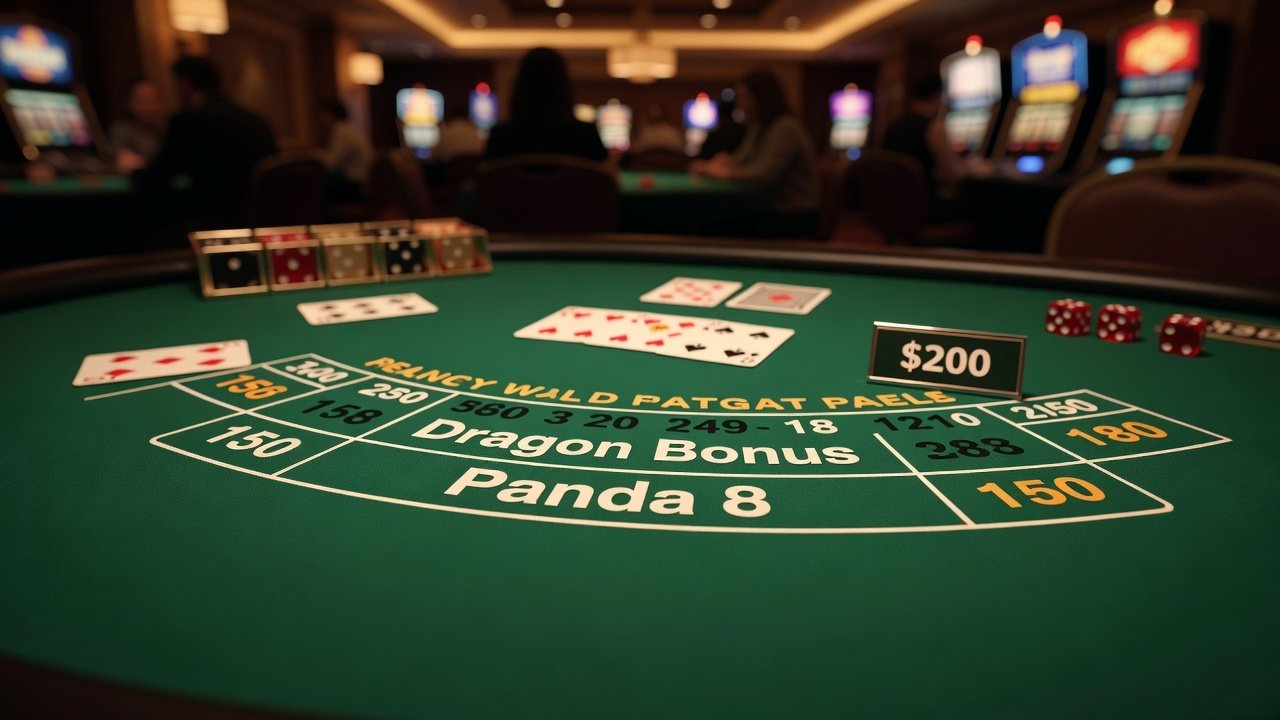
Real-game example: In a land-based session with eight decks, a player allocated $200 to side bets after noting three consecutive banker naturals. Using a 1:3 ratio to core bets, they secured a 30:1 payout on Dragon Bonus, netting gains while preserving the main bankroll. Another scenario involved an online live dealer table where Panda 8 triggered twice within 15 hands, prompting an immediate reduction in side bet sizing to lock in profits.
Cross-Game Applications to Blackjack and Roulette Strategy
Many principles from baccarat side bets transfer directly to blackjack strategy, particularly in managing variance during card counting deviations. Similarly, roulette strategy enthusiasts can apply bankroll segmentation techniques when chasing column or dozen bets. By practicing side bet restraint in baccarat, players develop the discipline needed for multi-game sessions without overcommitting capital.
Practical Checklists for 2026 Online and Land-Based Play
- Verify game rules and payout tables before committing to any side bet variant.
- Use demo modes on reputable platforms to test side bet frequencies over at least 500 simulated hands.
- Monitor shoe penetration; side bets perform better mid-shoe when patterns emerge clearly.
- Set loss limits at 20% of side bet allocation to exit promptly and protect overall funds.
- Combine with core strategy for balanced sessions that prioritize banker and player bets.
- Review casino licensing and RNG certifications for online play to ensure fairness.
- Adjust for table minimums, as some land-based venues raise limits on side bet options during peak hours.
Mistakes to Avoid with Side Bets
Common errors include chasing losses by increasing side bet sizes after poor results and ignoring table-specific rule variations that alter house edges. Players should also steer clear of progressive betting systems on side bets, as the elevated volatility amplifies losses quickly. Maintaining a written log of every side bet outcome helps identify personal biases early.
Short FAQ on Common Pitfalls
How do side bets affect overall strategy?
They introduce volatility; limit to 30% of bets to avoid derailing core play and maintain focus on lower-edge wagers.
Are online side bets fairer than land-based?
Both use RNG or physical decks with identical house edges when licensed properly through recognized regulators.
What mistakes should beginners avoid?
Chasing losses on high-payout bets and ignoring bankroll tracking are the most frequent issues that lead to rapid depletion of funds.
Can side bets be combined with card tracking systems?
Yes, but only with strict limits, as the house edge remains unchanged regardless of observed patterns.
Conclusion
Mastering baccarat side bets in 2026 requires data-driven choices rather than intuition. By comparing edges, allocating bankrolls methodically, assessing risks through proven frameworks, and applying detailed checklists, players can elevate their approach while maintaining responsible habits. Explore these tactics alongside proven blackjack strategy elements for broader casino success and integrate insights from roulette strategy to refine multi-game performance over time.


No comments yet. Be the first!