 GambleLore
Luck vs Skill: Insights for 2026 Gambling Strategies
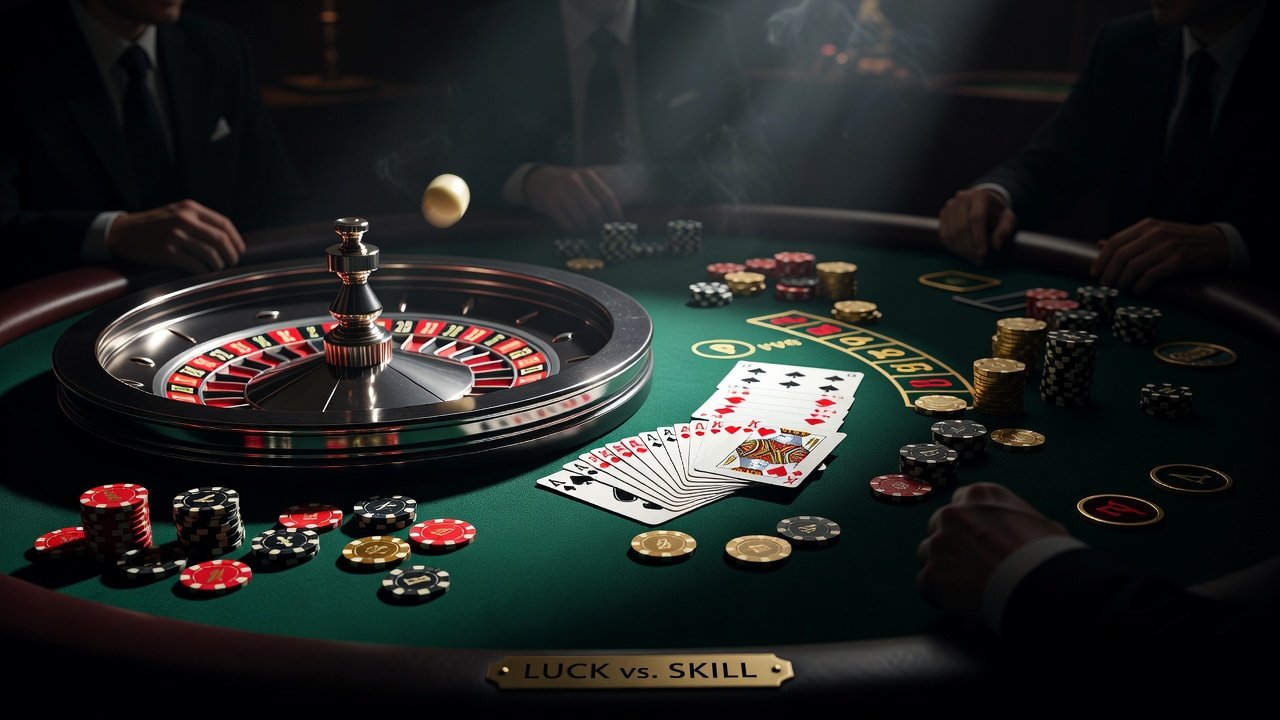
Understanding the interplay between luck and skill is essential for any player aiming to refine their approach in 2026. While chance governs many outcomes, certain games reward informed decisions and disciplined execution. This guide breaks down skill-heavy elements across popular casino offerings, contrasts them with pure chance games, and provides actionable steps to evaluate your own style. Players who grasp these dynamics can make better choices, reduce unnecessary losses, and enjoy longer sessions without chasing unrealistic expectations.
Defining Luck and Skill in Casino Play
Luck represents the random elements beyond player control, such as card shuffles or wheel spins. Skill involves strategic choices, probability calculations, and bankroll management. In 2026, successful players focus on maximizing controllable factors while accepting inherent variance. Real-world examples include professional blackjack teams that use card counting to shift odds slightly in their favor over thousands of hands, contrasted with roulette players experiencing short-term wins that revert to the house edge long-term. Variance means even skilled decisions can lead to losing streaks, so understanding this helps maintain perspective during downswings.
Expected value calculations further illustrate the difference. In skill-based games, positive or near-zero expected value becomes possible with perfect play, whereas luck-dominated games maintain a fixed negative expectation regardless of tactics.
Skill-Heavy Elements in Blackjack Strategy
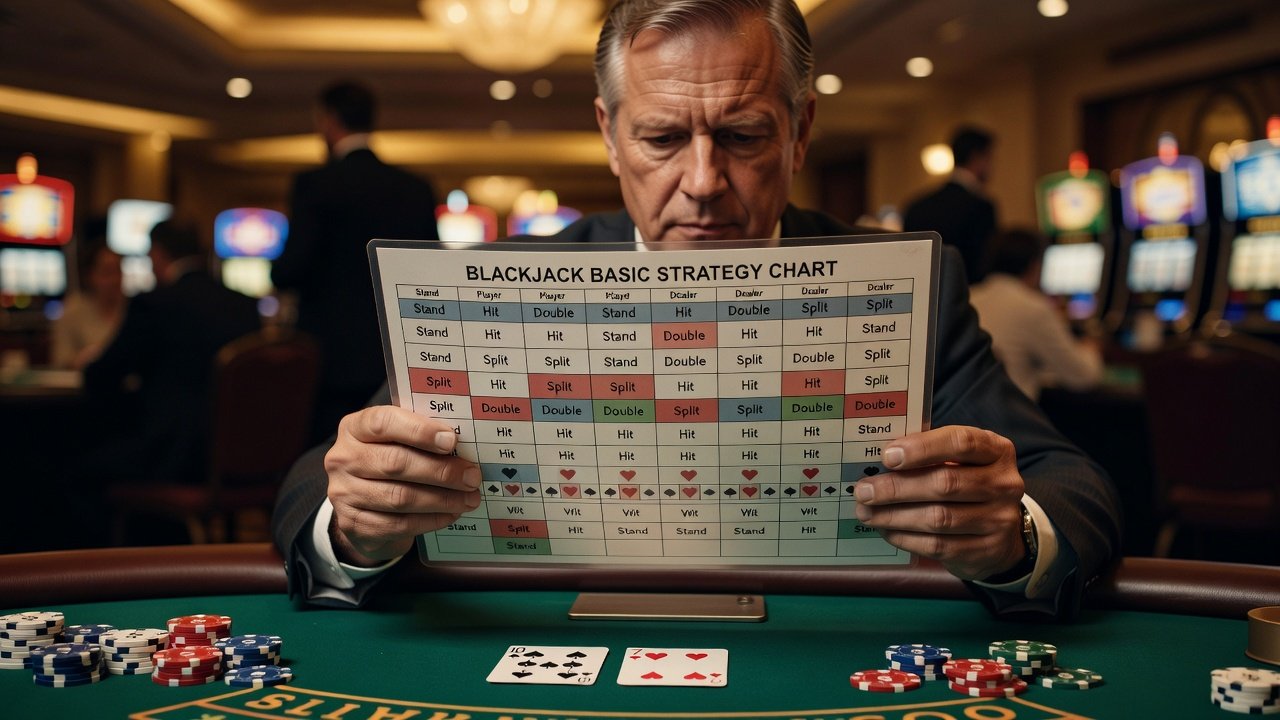
Blackjack stands out for its skill component. Basic strategy charts guide hit, stand, double, or split decisions based on dealer upcards and player totals. Advanced techniques like card counting track remaining high cards to adjust bets. For instance, a player facing a 16 against a dealer’s 10 should hit according to optimal charts, reducing the house edge to under 1%. Practice apps and simulators help internalize these rules before live play. Consider a specific scenario: holding a pair of eights against a dealer’s 6, where splitting increases winning chances dramatically compared to standing or hitting.
Common mistakes include deviating from charts due to emotion or chasing losses. Consistent application over sessions yields measurable improvements in expected value. Online platforms in 2026 often provide tools for reviewing hand histories, allowing players to analyze deviations and refine future play. Land-based casinos may require mental math for counting, adding another layer of skill under pressure.
Contrasting Roulette Strategy and Baccarat Tips
Roulette relies almost entirely on luck. European wheels offer a 2.7% house edge, but no betting system alters this over time. Strategies like Martingale double bets after losses, yet they fail against table limits and streaks. Players should set strict loss limits and treat sessions as entertainment rather than income sources. A practical example involves betting on red after five consecutive blacks; the next spin remains independent, with the same probability as any other.
Baccarat tips emphasize simplicity: bet on the banker for its slight statistical edge (around 1.06% house edge) while avoiding ties. Unlike blackjack, no complex decisions exist beyond choosing banker or player. Track patterns only for fun, as each hand remains independent. In 2026, many digital versions include side bets that appear attractive but carry much higher house edges, so avoiding them preserves bankrolls longer.
Comparison Table of Games
To visualize differences clearly, review this comparison of key casino games. The table highlights how skill influences outcomes and suggests optimal approaches for each.
| Game | Skill Influence | House Edge Range | Best Approach |
|---|---|---|---|
| Blackjack | High | 0.5–2% | Master basic strategy and manage bankroll |
| Roulette | Low | 2.7–5.26% | Set limits and enjoy random outcomes |
| Baccarat | Low to Medium | 1.06–1.24% | Stick to banker bets with flat wagering |
| Slots | Very Low | 2–10% | Choose high RTP titles and control session length |
Analyzing the table shows blackjack offers the greatest opportunity for skill to impact results, while slots and roulette minimize player influence. Use this as a starting point when selecting games aligned with your goals.
Steps for Assessing Your Personal Play Style
Evaluating your approach helps identify strengths and areas for growth. Follow these detailed steps:
- Track 50+ sessions noting wins, losses, and decision points to reveal patterns in your betting behavior.
- Review adherence to known strategies versus impulsive choices by replaying key hands mentally or with software.
- Identify emotional triggers like tilt after losses and develop pause techniques, such as stepping away for five minutes.
- Test variations in low-stakes environments before scaling up to understand how different limits affect decision quality.
- Consult resources from World Health Organization on responsible play habits to ensure long-term sustainability.
- Compare your results against benchmarks like basic strategy win rates to quantify improvement over time.
This structured self-assessment builds awareness and supports more consistent performance across varying conditions.
Real-World Examples of Mixed Outcomes
A skilled blackjack player may win 52% of hands over a weekend yet still lose overall due to variance in bet sizing during high-count situations. Conversely, a roulette enthusiast hitting a 35-to-1 straight-up number experiences pure luck that rarely repeats. Another case involves a baccarat player sticking to banker bets through a long session and breaking even despite several banker wins, illustrating how the small edge compounds slowly. These examples demonstrate why blending skill with strict limits prevents larger drawdowns and promotes balanced play.
Short FAQ on Common Misconceptions
Does skill eliminate the house edge?
No. Skill reduces it in games like blackjack but never removes randomness entirely, meaning losses remain possible even with optimal decisions.
Are betting systems effective long-term?
Most fail because they ignore independent outcomes and table limits, leading to rapid bankroll depletion during inevitable losing streaks.
Can past results predict future hands?
Each round resets independently in fair games; patterns are illusions that can mislead players into poor choices.
How does online play differ from live casinos regarding skill application?
Online environments allow faster hands and built-in tools for tracking, but they remove physical tells and may include automated shuffles that affect counting methods.
Actionable Advice for Refining Casino Strategies
Start with free practice tools to build muscle memory for strategy charts before risking money. Allocate sessions thoughtfully and review performance monthly, adjusting based on data rather than feelings. Incorporate psychological preparation by setting predefined win and loss goals. For deeper insights into probability and player behavior, explore peer-reviewed studies via National Center for Biotechnology Information. Focus on process over results to sustain enjoyment into 2026 and beyond, while recognizing when to walk away from any game.

No comments yet. Be the first!