 GambleLore
Understanding the Psychology Behind Gambling Addiction
Gambling addiction is a complex behavioral disorder rooted in psychological mechanisms that can affect anyone, regardless of background or initial intentions. This comprehensive guide examines the mental triggers, cognitive biases, and neurological processes that drive compulsive gambling behaviors. By understanding these elements in depth, individuals can adopt proactive prevention strategies and foster responsible habits in 2026 and beyond. The focus remains on early awareness rather than treatment after addiction has taken hold, empowering readers to make informed decisions about their betting activities.
How the Brain's Reward System Fuels Addiction
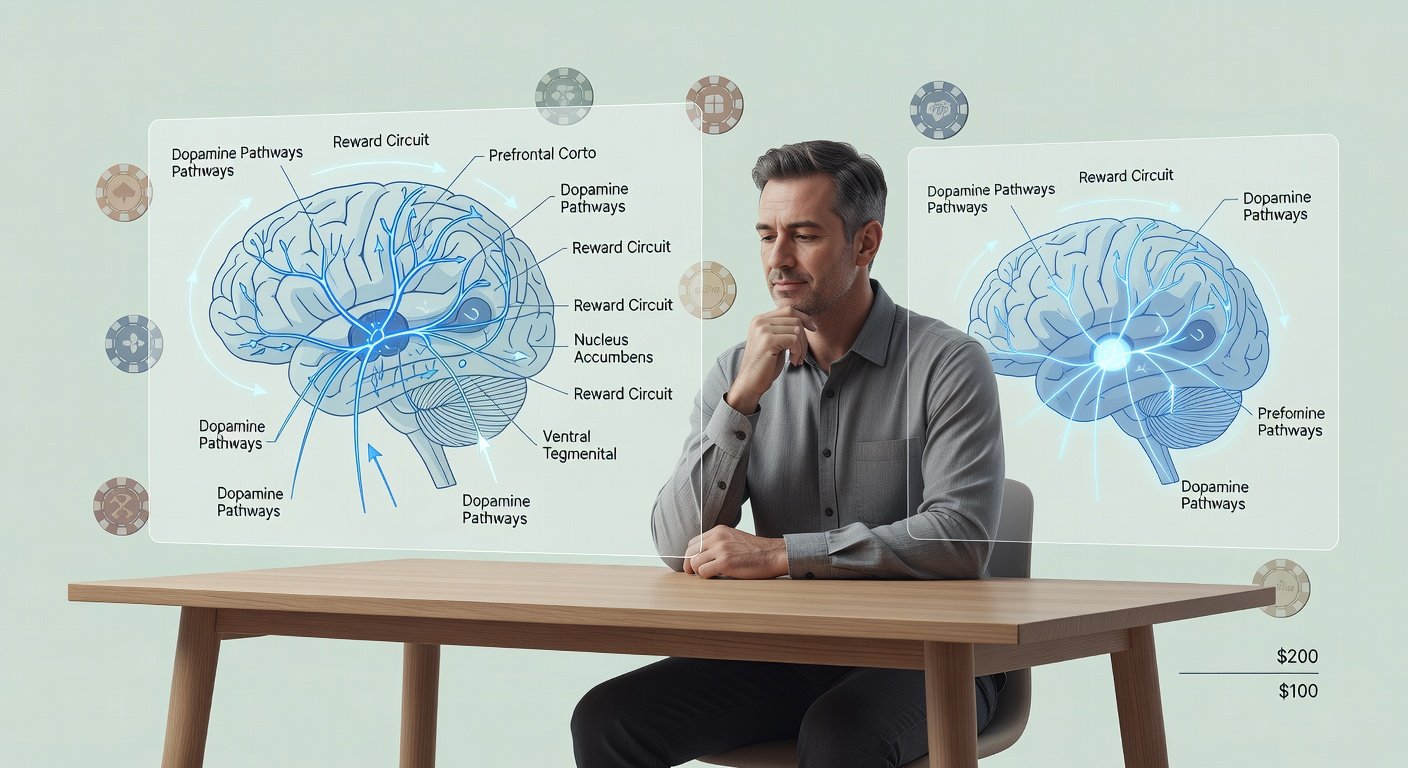
The human brain's reward system is designed to reinforce survival behaviors, but gambling hijacks this circuitry in powerful ways. When a bet results in a win, the neurotransmitter dopamine surges through pathways involving the nucleus accumbens and ventral tegmental area, producing feelings of euphoria and motivation. This response is similar to those seen in substance dependencies, though no external chemical is introduced. Over repeated exposures, the brain downregulates dopamine receptors, meaning larger bets or more frequent sessions are needed to achieve the same level of satisfaction. This adaptation creates a cycle where losses become more common yet the drive to continue intensifies due to the anticipation of future rewards.
Neuroimaging studies reveal changes in the prefrontal cortex, which governs impulse control and long-term planning. Individuals may find it increasingly difficult to weigh immediate gratification against future consequences. For instance, a casual slot player might start with small stakes but gradually increase them after experiencing intermittent wins, unaware that the variable reward schedule is strengthening neural connections associated with craving. Understanding this biological foundation helps demystify why willpower alone often proves insufficient against addiction.
Common Emotional Triggers and Cognitive Biases
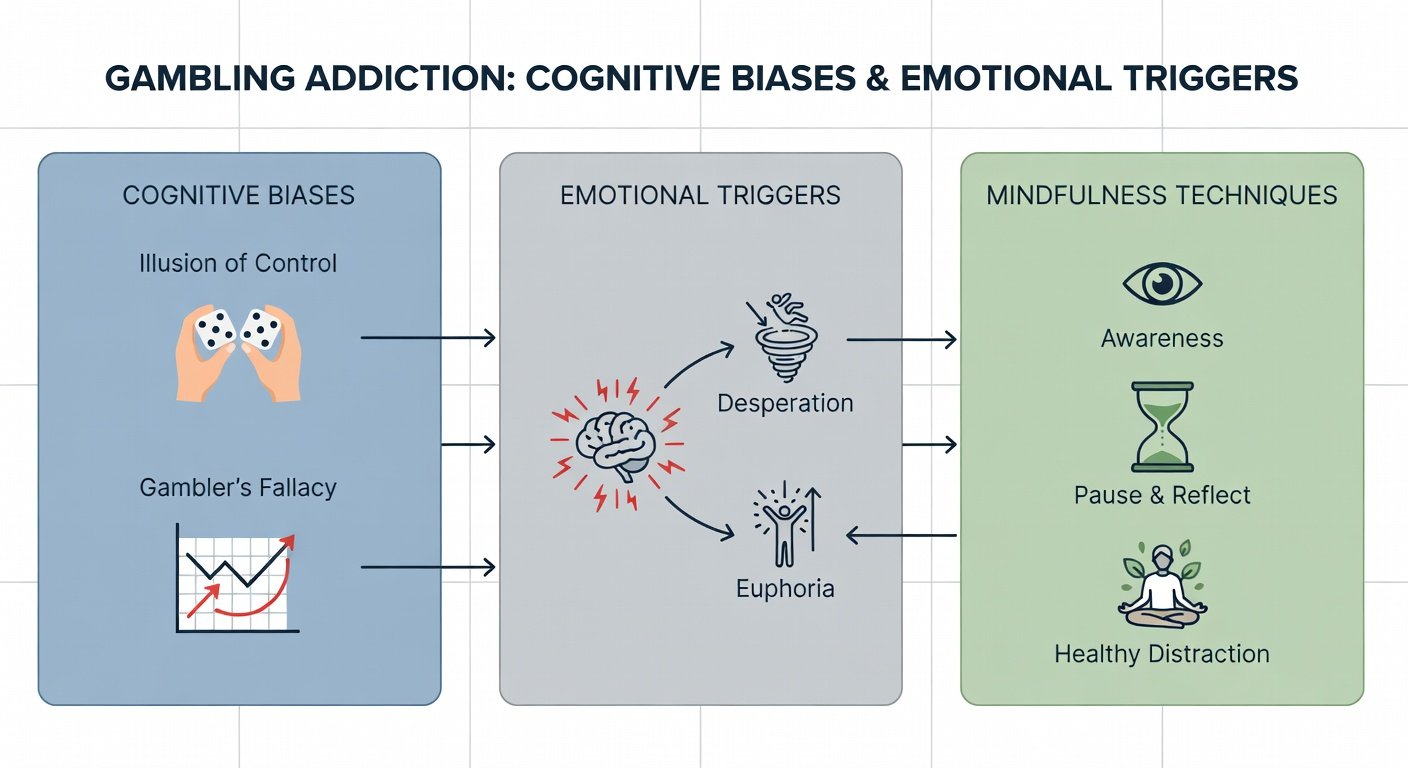
Emotional states frequently serve as entry points into problematic gambling patterns. Stress from work, financial pressures, relationship issues, or even positive events like promotions can prompt someone to seek relief or celebration through betting. Boredom and loneliness also play significant roles, as gambling provides stimulation and a sense of community in online forums or casinos. These triggers are not always obvious at first; many people begin with recreational intent but turn to gambling as an emotional regulator over time.
Cognitive biases further distort judgment. The illusion of control makes bettors believe they can influence outcomes through rituals or strategies, despite games being governed by random number generators. The gambler's fallacy leads individuals to expect a reversal after a losing streak, ignoring probability. Availability bias causes overestimation of winning chances based on memorable success stories shared on social media. Confirmation bias reinforces these views by focusing only on evidence that supports continued play.
A real-world example involves a poker enthusiast who attributes a series of wins to superior skill rather than variance, leading to overconfidence and larger wagers. Another case features a sports bettor who chases losses after a bad day at work, convinced that persistence will restore emotional balance. Recognizing these biases in personal experiences is a critical step toward prevention.
Myths Versus Facts About Safe Betting
Several persistent myths undermine responsible gambling efforts. One common misconception is that setting a budget guarantees safety, yet budgets can be adjusted impulsively under emotional influence. Another myth suggests that only certain personality types develop addictions, when evidence shows vulnerability can emerge in anyone exposed to prolonged play. Facts reveal that short-term wins create powerful reinforcement loops while long-term participation typically results in net losses due to house edges ranging from 2% to 10% or more depending on the game type. Data from behavioral studies consistently demonstrate that chasing wins escalates risk without improving odds.
Mayo Clinic resources provide clear distinctions between recreational and problematic gambling, stressing the importance of ongoing self-monitoring.
Practical Self-Assessment Quizzes and Tools
Effective prevention begins with honest self-evaluation. A detailed quiz might include questions such as: How often do thoughts about gambling interrupt daily tasks? Do you increase bet sizes after losses to recover faster? Have you concealed gambling activity from family or friends? Rate each item from 1 (rarely) to 5 (very often) and tally the results monthly. Scores exceeding 20 indicate heightened vulnerability requiring immediate attention.
Complement quizzes with a decision journal documenting every betting session, including pre-session mood, amount wagered, outcome, and post-session feelings. Review entries weekly to identify recurring emotional triggers. This practice turns abstract awareness into concrete data for personal growth.
Daily Mindfulness Techniques for Prevention
Mindfulness builds mental resilience against impulsive urges. Begin each day with a 10-minute breathing exercise focused on observing thoughts without judgment. When gambling-related ideas arise, label them as "passing urges" and return attention to the breath. Incorporate the 5-4-3-2-1 sensory grounding technique during moments of temptation: identify five visible objects, four tactile sensations, three audible sounds, two scents, and one taste.
Additional techniques include progressive muscle relaxation before potential high-risk situations and gratitude journaling to shift focus from potential winnings to existing life satisfactions. Consistency matters more than duration; even brief daily practices compound over weeks to strengthen prefrontal control and reduce automatic responses.
Recognizing Biases with Real-World Examples and Mistakes to Avoid
Bias recognition improves through deliberate practice. Consider the sunk-cost fallacy in action: a player who has already lost $200 continues betting another $100 to break even, disregarding that each new wager is independent. Counter this by treating every decision as a fresh choice disconnected from prior outcomes.
Common mistakes include relying on "hot" machines or lucky numbers, neglecting to set hard time limits, and mixing gambling with alcohol which impairs judgment. Avoid these by establishing non-negotiable rules in advance, such as maximum session duration of one hour and automatic logout features on betting apps. Sharing these rules with a trusted accountability partner adds external reinforcement.
Short-Term Wins Versus Long-Term Risks: Data-Backed Insights
Short-term successes deliver immediate dopamine rewards but rarely translate into sustainable gains. Long-term analyses show that the vast majority of participants experience gradual erosion of funds over hundreds of sessions. Prevention involves reframing gambling strictly as entertainment with a predetermined cost, similar to purchasing a movie ticket, rather than an investment opportunity. Tracking cumulative results across months reveals patterns invisible in single sessions and supports better future choices.
Building Support Networks and Professional Resources
Isolation increases addiction risk, while social connections provide protective buffers. Discuss gambling habits openly with friends or family to create natural accountability. Join community forums focused on responsible play or participate in local wellness groups. For deeper concerns, professional guidance from therapists trained in cognitive behavioral approaches proves highly effective.
World Health Organization guidelines outline global strategies for addressing behavioral addictions through education and early support systems.
FAQ on Early Intervention and Professional Resources
How early should intervention begin? As soon as patterns of preoccupation or escalating stakes appear, even before financial harm occurs. Early steps like the quizzes mentioned prevent progression.
Are online self-help tools sufficient? They serve as excellent starting points but work best combined with human support for accountability.
What if family members are affected? Open conversations and joint attendance at informational sessions can repair trust while addressing the root behaviors.
Where can one find qualified help? Licensed counselors, addiction specialists, and organizations such as National Institute of Mental Health directories offer localized referrals. Many services provide confidential initial assessments at no obligation.
Can prevention strategies work for former problem gamblers? Absolutely, with continued mindfulness and periodic reassessment to maintain long-term recovery.
By integrating these insights into daily life, readers can navigate gambling opportunities with greater psychological awareness and control throughout 2026.


No comments yet. Be the first!