 GambleLore

Introduction to Self-Exclusion in 2026
Self-exclusion programs have become an essential safeguard in the evolving landscape of online and land-based gambling. As gambling platforms continue to expand with new technologies and features in 2026, the need for enforceable personal limits has never been greater. This comprehensive guide explores self-exclusion tactics designed to help individuals establish practical, binding barriers against excessive gambling. Rather than offering vague recommendations, we focus on actionable steps, platform-specific processes, and real-world applications that align with current search intent for enforceable solutions. By the end of this article, readers will understand how to activate these programs effectively, compare them with alternative tools, and integrate them into a broader strategy for responsible gambling that supports long-term well-being.
Understanding Self-Exclusion Programs
Self-exclusion is a voluntary agreement where an individual requests to be banned from gambling activities for a specified duration. These programs are regulated in most licensed jurisdictions, requiring operators to block accounts, prevent marketing communications, and share exclusion data across affiliated platforms. Unlike informal resolutions to quit, self-exclusion creates technical and legal barriers that are difficult to override. In 2026, many programs integrate with centralized databases, ensuring that once enrolled, users cannot simply create new accounts on partner sites. The process emphasizes personal accountability while providing operators with clear compliance requirements. Benefits extend beyond immediate access denial, fostering a period of reflection that often leads to improved financial management and reduced anxiety related to gambling urges.
Activating Self-Exclusion on Major Platforms
Leading gambling operators have refined their self-exclusion interfaces to make activation straightforward yet secure. Popular platforms including major sportsbooks, casino sites, and poker rooms typically house these options within the account settings under a dedicated responsible gambling tab. Users must usually verify their identity through government-issued documents or biometric checks to prevent fraudulent or reversible requests. Some platforms offer immediate temporary exclusions while longer durations may require additional confirmation steps. Mobile apps often mirror desktop functionality, allowing users to initiate the process from anywhere. It is important to note that exclusions on one operator may not automatically apply to unrelated competitors unless the jurisdiction maintains a unified registry. Checking for multi-operator coverage is a key tactic for comprehensive protection.
Step-by-Step Setup Process
Follow these detailed steps for most major platforms in 2026. First, log into your verified account and locate the responsible gambling or player protection section in the menu. Next, select the self-exclusion option and review available durations, which commonly range from 30 days to five years or lifetime in certain regions. Enter your preferred period and provide any required confirmation through email links, SMS codes, or app notifications. The system will then process the request, often within minutes, and send a confirmation email detailing the start date, end date, and rules for reinstatement. Finally, clear your browser cache and app data to ensure immediate effect, and consider notifying any linked payment methods of the change. Always retain the confirmation for personal records.
Comparing Self-Exclusion with Deposit Limits and Cooling-Off Periods
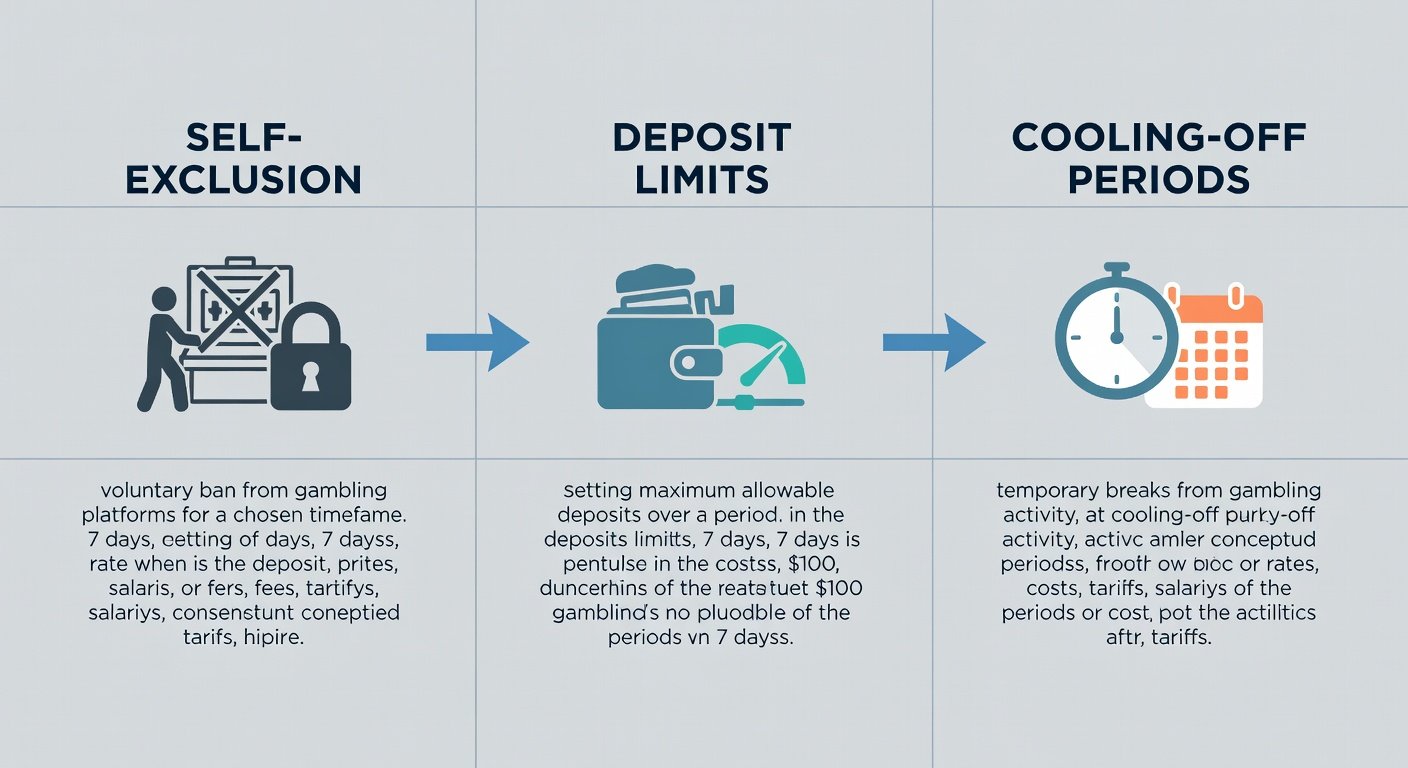
While deposit limits and cooling-off periods serve as useful entry-level tools, self-exclusion provides superior long-term enforcement. Deposit limits allow users to cap daily, weekly, or monthly spending but still permit access to games and the possibility of increasing limits later. Cooling-off periods typically last between 24 hours and several weeks, offering short-term breathing room without committing to extended breaks. In contrast, self-exclusion removes the option to gamble entirely, blocks bonus offers, and often prevents account reactivation until the term expires. For individuals experiencing escalating patterns, self-exclusion reduces decision fatigue by eliminating the temptation to adjust softer limits during moments of vulnerability. A practical comparison shows that users who combine self-exclusion with periodic deposit reviews achieve better outcomes than relying on limits alone.
Real User Success Examples from 2026
Throughout 2026, numerous individuals have shared positive outcomes from self-exclusion. One user in their thirties activated a 12-month exclusion on a major sportsbook after noticing spending creep during live events; by the end of the period, they reported stable savings and renewed focus on non-gambling hobbies. Another example involves a frequent casino visitor who chose a five-year exclusion following multiple short cooling-offs that proved insufficient. This user credited the binding nature of the program with preventing relapse during stressful periods. A third case highlighted a poker enthusiast who used self-exclusion across three platforms simultaneously through a centralized system, leading to improved work-life balance and stronger family connections. These stories illustrate how choosing appropriate durations and combining the tactic with support resources amplifies success rates.
Mistakes to Avoid When Using Self-Exclusion
Common pitfalls can undermine effectiveness. Avoid selecting overly short durations if underlying issues persist, as this may lead to immediate return without behavioral change. Do not attempt to bypass exclusions by using family members' accounts or VPNs, as this violates terms and can result in permanent bans or legal issues. Failing to inform close contacts about the exclusion can also reduce accountability. Another mistake is neglecting to update linked financial apps or email subscriptions, which might still display gambling-related content. Finally, treating self-exclusion as a standalone solution without exploring counseling or support groups often limits its impact. Addressing these areas proactively strengthens the overall approach.
Long-Term Benefits and Building Safe Betting Habits
Adopting self-exclusion encourages sustainable habits that extend well beyond the exclusion period. Participants frequently report enhanced financial literacy, better time management, and reduced stress from gambling-related decisions. Over multiple years, the practice builds resilience against future temptations by establishing clear boundaries. Integrating self-exclusion with regular budget reviews, alternative leisure activities, and periodic check-ins with support networks creates a holistic framework. In 2026, many users also leverage app-based tracking tools during non-exclusion times to maintain awareness. These combined efforts contribute to responsible gambling that prioritizes enjoyment without risk escalation, ultimately supporting mental health and personal goals.
Frequently Asked Questions
How do I choose the right duration for self-exclusion?
Evaluate your gambling history and current triggers. Shorter options like 30 or 90 days suit those testing the waters, while six months to one year works well for moderate concerns. Longer periods or lifetime options benefit individuals with repeated relapses or significant financial impact.
What happens if I want to reinstate my account early?
Most programs prohibit early reinstatement. You must wait until the selected period concludes, after which a formal request and sometimes a review process is required. Some jurisdictions mandate a minimum waiting period post-expiration before reactivation.
Does self-exclusion cover all gambling sites?
Coverage depends on the jurisdiction and operator agreements. In regions with centralized registries, exclusions often span multiple licensed platforms. Always verify with your local regulatory body for full protection details.
Can I still access non-gambling features during exclusion?
Many platforms allow limited access to account management or loyalty points viewing, but gambling functions remain disabled. Confirm specifics with each operator to avoid surprises.
Are there costs associated with self-exclusion programs?
Standard self-exclusion services are provided free of charge by licensed operators as part of regulatory obligations. No fees apply for activation or basic reinstatement processes.
Conclusion
Self-exclusion tactics represent a robust, enforceable strategy for responsible gambling in 2026. By mastering platform activation, understanding comparisons with softer tools, learning from user experiences, and avoiding common mistakes, individuals can create meaningful protections that endure. Combining these measures with ongoing support fosters habits that promote financial stability and personal fulfillment. For further guidance, consult authoritative resources such as the National Council on Problem Gambling, Gamblers Anonymous, and BeGambleAware.


No comments yet. Be the first!