 GambleLore
Introduction
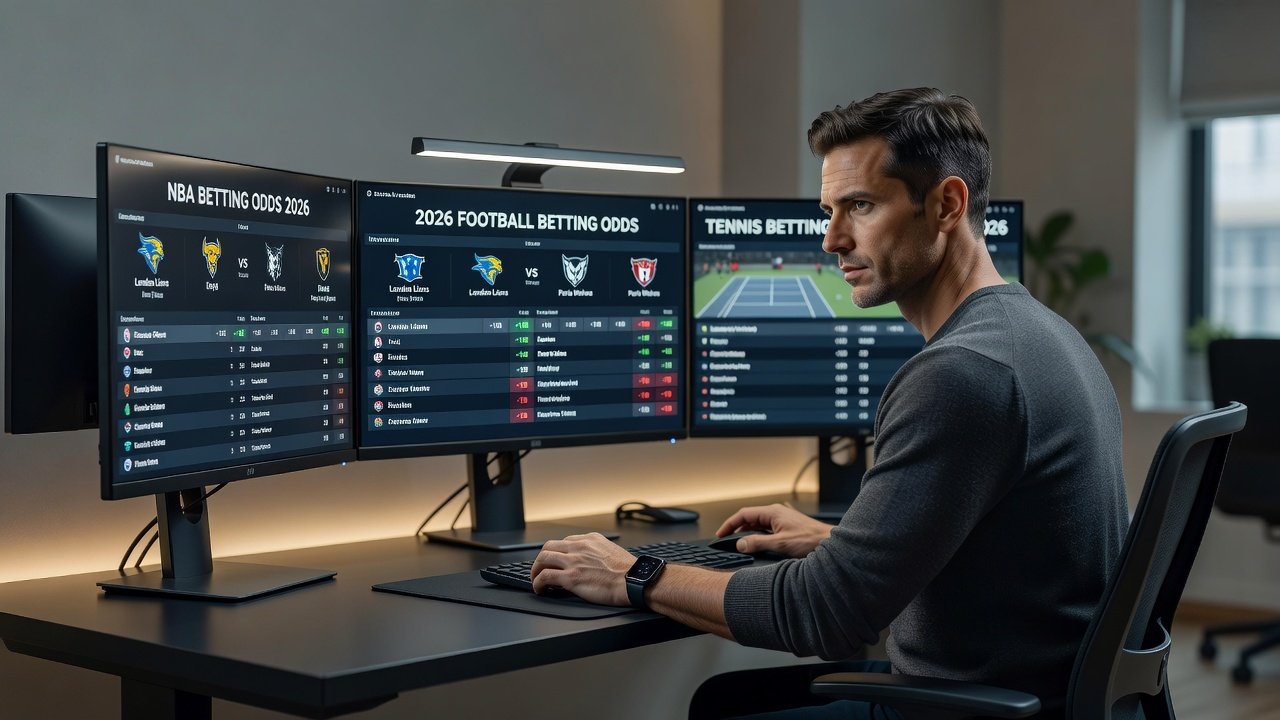
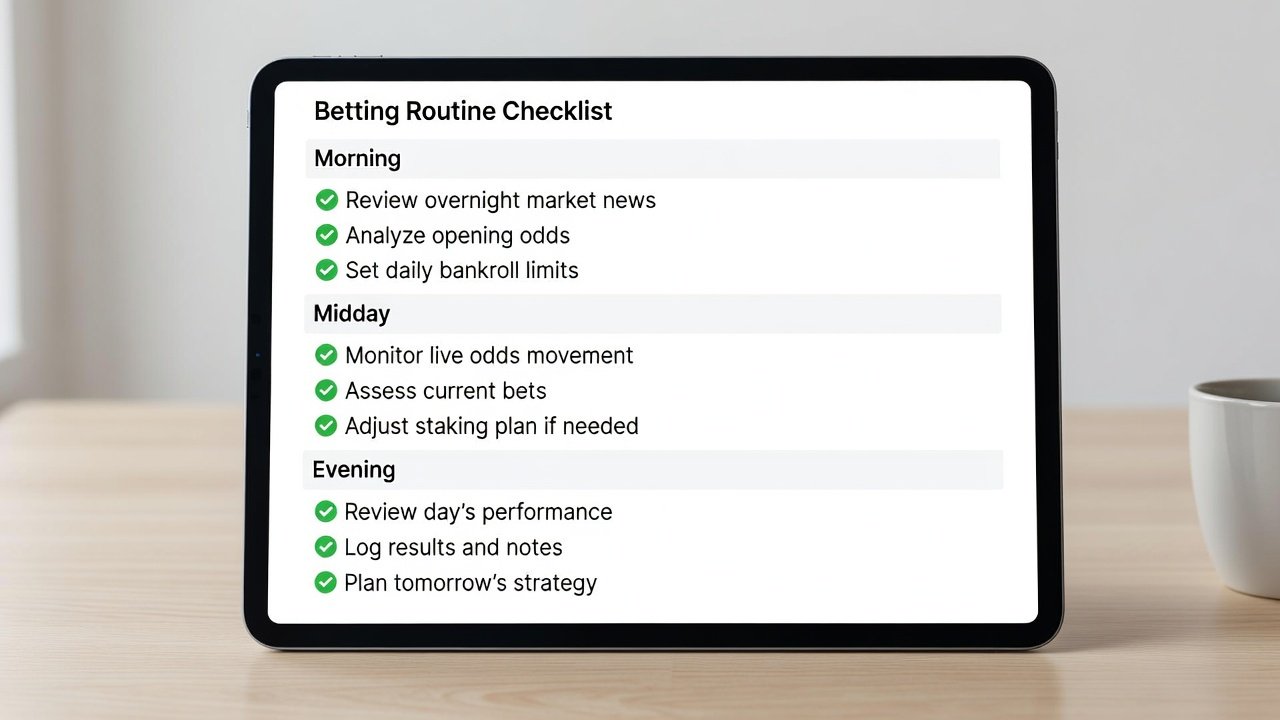
Creating a structured daily routine for monitoring 2026 betting odds is essential for serious bettors who focus on football, NBA, and tennis. This approach allows you to systematically review lines across major sportsbooks, incorporate real-time data such as injuries and line movements, and maintain performance records that improve decision-making over time. By following a repeatable process divided into morning, midday, and evening segments, you minimize emotional betting and maximize opportunities to find value. The routine also incorporates weekly reviews to spot long-term trends and responsible gambling practices to protect your bankroll.
Morning Odds Scans Across Major Sportsbooks
Begin your day between 7 and 9 a.m. local time by opening multiple sportsbook apps or websites simultaneously. Focus first on football spreads and totals from leagues like the NFL or European competitions, then move to NBA player props and totals, and finish with tennis moneyline and set betting odds. Use free browser extensions that allow side-by-side comparison to quickly highlight discrepancies of half a point or more. For example, if one book lists an NBA total at 227.5 while others sit at 229, note the lower number as a potential lean toward the under. Record these observations in a dedicated note-taking app or spreadsheet with columns for sport, market, book, and your initial assessment. This early scan captures opening lines before sharp action moves them significantly.
Midday Injury and Line Checks
Around noon, shift attention to injury reports and any line adjustments that have occurred since the morning. Visit official league sources for the latest player availability news, then compare those updates against current odds. In football, a last-minute quarterback change can swing spreads by three points or more. In the NBA, monitor back-to-back game fatigue indicators and travel distances. For tennis, check official tournament sites for withdrawal announcements that affect outright or set markets. Document every change and calculate the implied probability shift to decide whether the updated line still offers value. This midday block typically lasts 45 to 60 minutes and prevents you from missing critical information that appears after initial lines are posted.
Evening Recaps with Performance Tracking
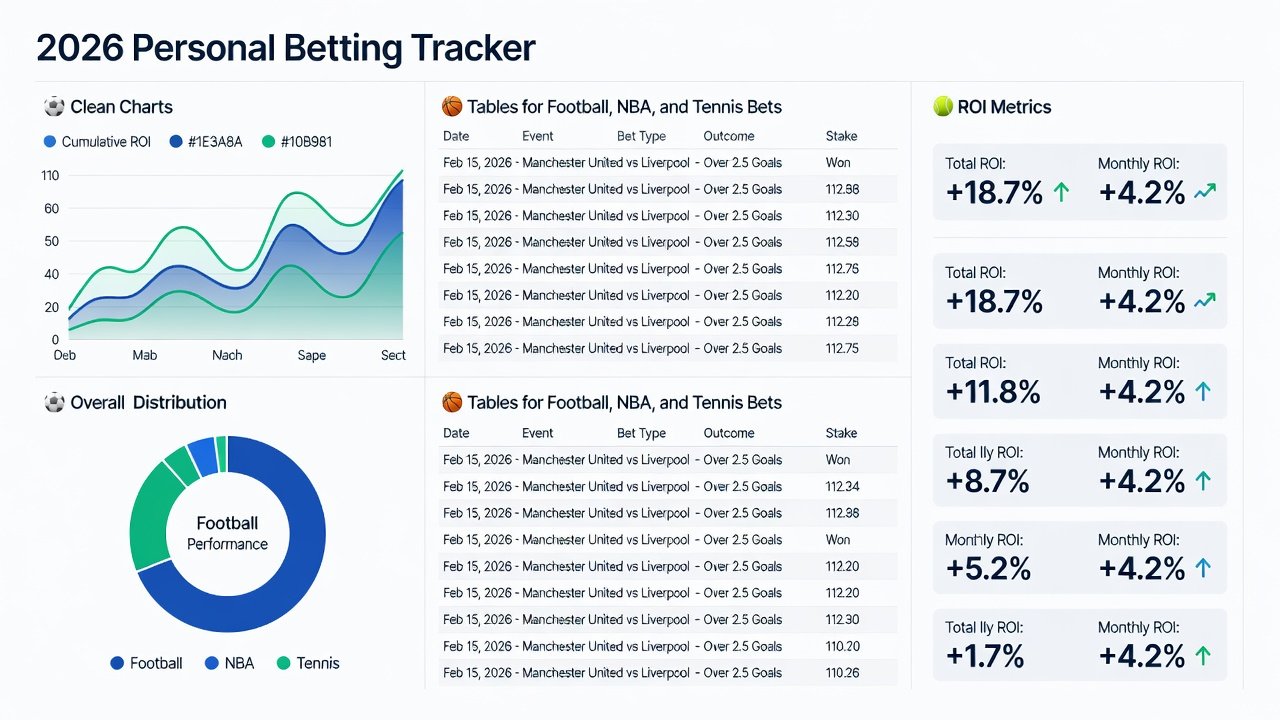
After games conclude, dedicate 30 minutes to logging results. Compare your pre-game projections against actual outcomes for each bet placed that day. Track metrics such as closing line value, return on investment per sport, and hit rate on value bets. Use a simple spreadsheet with formulas that automatically calculate weekly and monthly performance. This recap helps identify whether your edge is holding in football totals versus NBA props or tennis live betting. Review any bets you passed on to understand missed opportunities and refine future scans.
Weekly Reviews and Adjustments
Every Sunday evening, conduct a longer 90-minute review session. Aggregate data from the past seven days, identify patterns such as consistent value in underdog football lines or overs in NBA games involving fast-paced teams, and adjust your scanning priorities accordingly. For instance, if tennis value appears more frequently during clay-court events, allocate extra time to those markets the following week. This reflective step turns daily observations into actionable strategy improvements.
Spotting Value: Football Example
Consider a Sunday afternoon NFL matchup where the public heavily favors the home team. After your morning scan reveals a three-point spread at most books but your model shows only a 1.5-point true margin, the away team plus the points represents value. Track how the line moves through the midday injury window and confirm the bet only if the spread remains favorable. Historical data from similar divisional games supports fading public money in these spots.
Spotting Value: NBA Example
In NBA betting, focus on totals during back-to-back situations. Suppose a line opens at 228 but sharp money drives it down to 225 by midday while your fatigue-adjusted projection sits at 223. Betting the under at the lower number locks in positive expected value. Document the closing line to measure how often you capture value before the market corrects.
Spotting Value: Tennis Example
Tennis offers unique live-betting opportunities during long matches. Monitor first-serve percentages and unforced error rates through free streaming highlights. If a player’s serve percentage drops below 55 percent in the third set yet the moneyline does not adjust quickly, a live bet on the opponent can exploit the lag. Record these entries to refine your real-time decision thresholds.
Recommended Free Tools and Time-Saving Checklists
- Odds comparison websites that provide real-time alerts without paid subscriptions
- Official injury trackers from NBA.com and league sites for football and tennis
- Free spreadsheet templates with pre-built formulas for bankroll and performance tracking
- Calendar reminders set for key release times of injury reports and line updates
- Browser tab managers to keep multiple sportsbooks open without slowing your device
Print or save a daily checklist that includes time blocks for each phase of the routine so you stay consistent even on busy days.
Common Pitfalls to Avoid
One frequent mistake is over-monitoring, where constant screen time leads to impulsive bets on marginal edges. Limit yourself to the three scheduled sessions and turn off notifications outside those windows. Another pitfall is ignoring line movement context; always note whether a shift results from sharp action or public betting. Finally, failing to track results prevents long-term improvement. Maintain detailed records to avoid repeating errors.
Integrating Responsible Limits
Set strict daily and weekly time limits as well as deposit caps to protect your finances. Guidelines from World Health Organization emphasize balancing betting activity with other life priorities. Use self-exclusion tools on sportsbooks when needed and review your overall bankroll health during weekly sessions. Responsible limits ensure the routine remains sustainable rather than becoming a source of stress.
Conclusion
A disciplined daily routine for monitoring 2026 betting odds combines structured scans, data-driven checks, and reflective reviews. By applying the steps outlined above across football, NBA, and tennis, you develop a repeatable process that highlights value while protecting against common pitfalls. Consistency and responsible boundaries turn this workflow into a long-term advantage.
FAQ
Can I automate parts of this routine?
Yes, set price alerts on free comparison tools and subscribe to RSS feeds for injury news. Automation reduces manual effort but still requires your review before placing bets.
How should I adjust the schedule during major tournaments?
Shift morning scans earlier when overnight line movement is common and add a short midday live-betting window for tennis and NBA playoff games. Maintain the evening recap to stay on track.
What free tools work best for beginners?
Start with official league websites such as NFL.com for football updates and basic spreadsheet software for tracking. Add comparison sites only after you master the core workflow.
How do I handle time zone differences?
Adjust your blocks to align with the primary market you follow, such as U.S. evening games or European morning football. Keep the total daily time commitment under two hours regardless of schedule.
No comments yet. Be the first!