 GambleLore
Introduction to Responsible Betting in 2026
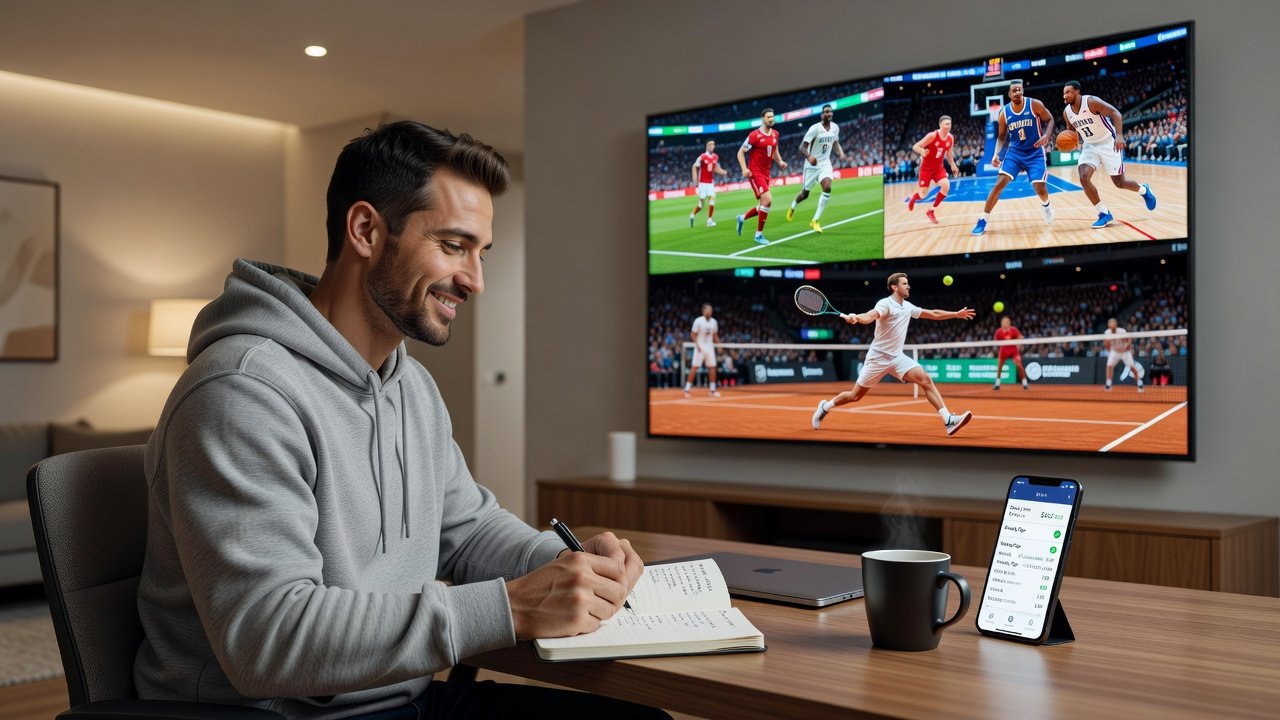
Betting on football, NBA basketball and tennis can be an engaging form of entertainment when approached with discipline. As sports betting grows in popularity, developing responsible habits helps maintain balance and enjoyment without financial strain. This guide covers actionable steps for beginners and casual bettors, focusing on deposit limits, time management and self-exclusion across major sportsbooks. The goal is to treat betting as a controlled activity rather than a source of income, emphasizing long-term sustainability over short-term wins.
Understanding the differences between sports is key. Football matches often feature lower-scoring outcomes with longer odds, while NBA games allow for more frequent live betting opportunities and tennis matches can swing dramatically on a single point. By learning sport-specific strategies, bettors can reduce risks associated with impulsive decisions during high-stakes moments.
Setting Practical Deposit Limits
Establishing deposit limits is the foundation of responsible betting. Start by reviewing your monthly entertainment budget and allocating only a small percentage to betting activities. Many sportsbooks allow users to set daily, weekly or monthly caps directly in account settings. For example, a beginner might choose a weekly limit that covers only a handful of wagers across all three sports, ensuring that losses do not impact essential expenses like rent or groceries.
Review these limits monthly and adjust based on your overall financial picture. Consistent enforcement prevents impulsive top-ups during losing streaks. Consider linking your deposit limits to external reminders, such as calendar alerts, to reinforce accountability. This approach works particularly well for football fans who follow weekend leagues, NBA enthusiasts tracking multiple daily games, and tennis bettors monitoring tournaments that span several days.
Tracking Time Spent on Betting Activities
Time tracking prevents betting from consuming excessive hours. Use built-in app timers or simple spreadsheets to log sessions. Aim to cap active betting time at under two hours per day, especially during live NBA or tennis events where momentum can encourage extended play. Record not just duration but also the context, such as whether you bet during work breaks or late at night, to identify patterns that lead to fatigue-driven decisions.
Real-world tip: set phone alarms for session ends and step away regardless of match status. This habit supports long-term sustainability and helps maintain focus on other life priorities. Over time, reviewing your time logs can reveal whether certain sports, like fast-paced NBA quarters, consume more time than slower football matches.
Using Self-Exclusion Tools Effectively
Self-exclusion options on major platforms allow temporary or permanent breaks. Activate these tools during high-stress periods or after noticeable emotional reactions to losses. Most sites offer 30-day, 90-day or six-month options that block account access across football, NBA and tennis markets. Some platforms also provide cooling-off periods of just a few days for immediate relief.
Combine self-exclusion with external support resources such as SAMHSA for additional guidance on maintaining healthy habits. Another valuable resource is Gamblers Anonymous, which offers meetings and peer support tailored to sports bettors. These tools become especially useful when transitioning between seasons, such as moving from football to tennis majors.
Identifying Emotional Betting Triggers
Emotional triggers often arise during live events. In NBA games, a dramatic comeback or controversial foul call can prompt chase betting on the next quarter. Tennis matches, with their individual player dynamics, may trigger overconfidence after a favorite wins the first set, leading to larger stakes on the remaining sets. Football fans might react strongly to a last-minute goal and place hasty in-play wagers without proper analysis.
To counter these, create a personal trigger list. For instance, note how a star player's injury in an NBA game affects your judgment or how rain delays in tennis alter match expectations. Pause for at least five minutes before confirming any bet during emotional peaks. 
Bankroll Allocation Rules by Sport and Odds Format
Effective bankroll management requires tailoring stakes to each sport's characteristics and odds formats. Use the 1-2% rule per wager of your total bankroll for most bets. Adjust slightly based on volatility: tennis can demand smaller stakes due to high variance from upsets, while NBA totals may allow slightly larger percentages on researched plays. Football often benefits from even smaller allocations because of the lower frequency of matches and emphasis on draw outcomes.
Compare formats carefully: American odds highlight underdogs clearly with plus and minus values, decimal odds simplify international football calculations by showing total returns, and fractional odds remain popular in UK tennis markets for expressing profit relative to stake. Always convert between formats to compare value accurately before placing wagers. For example, a +150 American odds bet on an NBA underdog converts to 2.50 decimal, helping you evaluate consistency across sports.
Comparing Football, NBA and Tennis Betting Dynamics
Football betting tends toward lower frequency with emphasis on match-winner and over/under markets, requiring patience and pre-match research. NBA offers rapid live betting with player props, increasing the need for strict time controls and quick emotional regulation. Tennis features set and game betting that rewards patience and statistical analysis over emotional reactions, especially during long rallies or tiebreaks.
Develop sport-specific checklists to maintain consistency across all three. This comparison helps bettors allocate time and money proportionally, avoiding overexposure to the most volatile sport on any given day.
Common Mistakes to Avoid in 2026 Betting
Many beginners fall into patterns such as ignoring odds value in favor of team loyalty or failing to adjust stakes when switching between sports. Another frequent error is neglecting to review past bets, which prevents learning from both wins and losses. By addressing these proactively, you build stronger habits that support entertainment value without unnecessary risk.
FAQ: Profitability Versus Entertainment Value
- Can betting be profitable long-term? Most casual bettors treat it as entertainment rather than income due to the house edge present in all formats.
- How do I measure entertainment value? Track enjoyment separately from financial results using a simple weekly journal that notes satisfaction levels.
- What if I experience a losing streak? Stick to pre-set limits and consider a short break using self-exclusion tools to reset perspective.
- Should I focus on one sport only? Diversifying across football, NBA and tennis can reduce risk but requires separate bankroll rules for each.
- How often should I review my habits? Conduct weekly and monthly reviews to ensure alignment with your original goals.
Weekly Review Checklist
- Review total deposits against your monthly budget and note any variances.
- Log total hours spent and compare to your time goals, adjusting for upcoming tournaments.
- Identify any emotional bets placed and note specific triggers like player injuries or comebacks.
- Assess bankroll allocation across football, NBA and tennis, ensuring no sport exceeds its percentage.
- Confirm self-exclusion settings remain active if needed and update them accordingly.
- Evaluate odds format usage and conversion accuracy in recent wagers.
- Plan adjustments for the following week based on insights gained.
Apply this checklist every Sunday evening for immediate results. For further reading on mental wellbeing, visit World Health Organization. Responsible habits ensure betting remains a controlled and enjoyable activity throughout 2026 and beyond, allowing fans to appreciate the sports they love without added pressure.


No comments yet. Be the first!